
Foods to Avoid in the First Trimester of Pregnancy
Congratulations on your pregnancy journey! The first trimester is a critical time for your baby’s development, and maintaining a balanced diet is essential. However, it’s equally important to be aware of the foods you should avoid to ensure the safety and health of both you and your baby. This guide will walk you through the key foods to steer clear of during these early weeks.
Foods to Avoid in the First Trimester
1. Unpasteurized Dairy Products
Unpasteurized dairy products, such as certain soft cheeses (e.g., Brie, Camembert, and some goat cheeses), can contain harmful bacteria like Listeria. This bacteria can lead to listeriosis, which poses a risk to your pregnancy. Always opt for pasteurized options to ensure safety. For more information, see our guide on importance of prenatal nutrition. For more information, see our guide on deli meats during pregnancy. For more information, see our guide on navigating food safety.
2. Undercooked or Raw Seafood
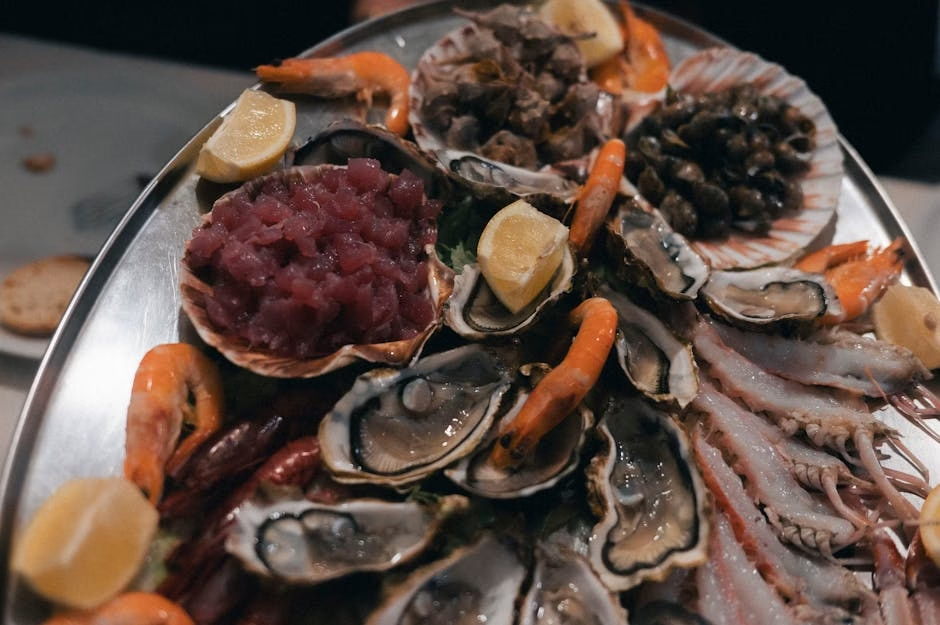
While seafood can be a great source of omega-3 fatty acids, consuming undercooked or raw seafood, like sushi or oysters, can expose you to parasites and bacteria. To be safe, choose fully cooked seafood dishes and avoid raw preparations.
3. Deli Meats and Processed Meats
Deli meats, including turkey and ham, may harbor Listeria. It’s best to avoid them unless they are thoroughly heated. Similarly, processed meats like hot dogs should be cooked until steaming hot to kill any possible bacteria.
4. Raw or Undercooked Eggs
Raw or undercooked eggs may contain Salmonella, a bacteria that can lead to food poisoning. It’s essential to ensure that eggs are cooked until both the whites and yolks are firm. Avoid foods that contain raw eggs, such as certain homemade mayonnaise or cookie dough.
5. High-Mercury Fish
Fish with high mercury levels, like shark, swordfish, king mackerel, and tilefish, can be harmful to your baby’s developing nervous system. Opt for low-mercury fish, such as salmon, shrimp, or canned light tuna, and limit your intake to 2-3 servings per week.
6. Caffeine
While moderate caffeine consumption is generally considered safe, it’s advisable to limit your intake to less than 200 mg per day (roughly one 12-ounce cup of coffee). Excessive caffeine can increase the risk of miscarriage and other complications.
7. Alcohol
Alcohol consumption is a definitive no during pregnancy. It can lead to fetal alcohol spectrum disorders (FASD) and other developmental issues. It’s safest to abstain from alcohol entirely throughout your pregnancy.
Additional Tips for a Safe and Healthy Diet
Ensuring a nutritious diet during the first trimester involves more than just avoiding certain foods. Here are some additional tips:
- Stay Hydrated: Drink plenty of water to support your increased blood volume and amniotic fluid.
- Focus on Variety: Incorporate a wide range of fruits, vegetables, whole grains, and lean proteins to provide essential nutrients.
- Consult Your Doctor: Always discuss your diet with your healthcare provider to tailor it to your specific needs.
- Use the SafeMom App: Utilize the SafeMom app to check ingredient safety and ensure the products you’re using are pregnancy-safe.
Frequently Asked Questions
Q: Can I eat sushi during pregnancy?
A: It’s best to avoid raw sushi during pregnancy due to the risk of parasites and bacteria. Opt for fully cooked sushi rolls or vegetarian options instead.
Q: How much caffeine is safe during the first trimester?
A: Keep caffeine intake below 200 mg per day, which is equivalent to about one 12-ounce cup of coffee. It’s a good idea to monitor your total caffeine consumption from all sources, including tea and chocolate.
Q: Are there any fruits or vegetables to avoid during the first trimester?
A: While most fruits and vegetables are safe and beneficial, be sure to wash them thoroughly to remove any possible pesticides or bacteria. Avoid sprouts like alfalfa or radish sprouts, as they can harbor harmful bacteria.