
Understanding Postpartum Recovery
Welcoming a new life into the world is a beautiful journey, but the postpartum period can present a unique set of challenges. As a new mom, it’s crucial to focus on your recovery and well-being, allowing yourself time to heal and adjust to the changes your body has gone through. Postpartum recovery is not just about physical healing; it also involves mental and emotional adjustments.
Physical Recovery Tips
1. Prioritize Rest
It’s no secret that newborns have unpredictable sleep schedules, which can leave you exhausted. Whenever possible, try to nap when your baby naps. Rest is crucial for healing and maintaining your energy levels. If family or friends offer help, don’t hesitate to accept it. For more information, see our guide on Essential Products for Your Baby. For more information, see our guide on Yoga and Safe Choices. For more information, see our guide on Navigating the Holidays.
2. Nourish Your Body
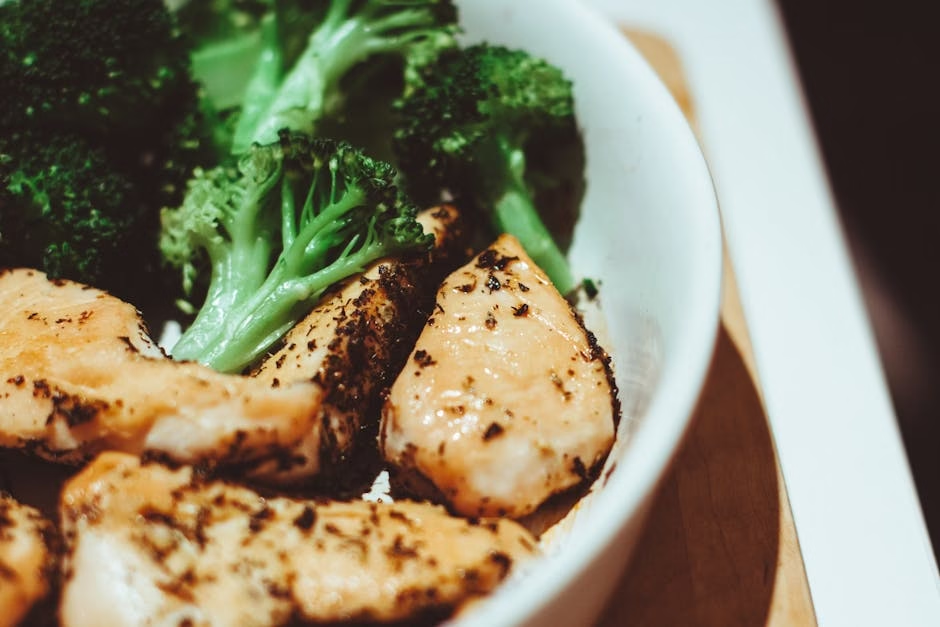
Fueling your body with nutritious foods can make a significant difference in your recovery. Focus on meals rich in protein, fiber, and healthy fats. Foods like lean meats, vegetables, whole grains, and nuts are excellent choices. Staying hydrated is equally important, especially if you’re breastfeeding.
3. Gentle Exercise
Once your healthcare provider gives you the green light, engage in gentle exercises like walking or postpartum yoga. These activities can boost your mood, improve circulation, and gradually restore your muscle tone. Listen to your body and progress at your own pace.
4. Manage Pain and Discomfort
It’s common to experience some discomfort postpartum. Over-the-counter pain relief, as recommended by your doctor, can be helpful. Additionally, try using warm compresses or sitz baths to alleviate perineal pain or discomfort from a C-section.
Mental and Emotional Well-being
1. Acknowledge Your Feelings
The postpartum period can bring a rollercoaster of emotions. It’s normal to feel overwhelmed, anxious, or even sad. Acknowledging your feelings is the first step towards managing them. Discuss your emotional state with your partner, friends, or a mental health professional if needed.
2. Build a Support Network
Surrounding yourself with supportive people can make a world of difference. Whether it’s joining a local mom group or connecting with friends and family, having a community can provide reassurance and valuable advice.
3. Practice Self-care
Self-care is crucial for your mental health. Simple activities like taking a warm bath, reading a book, or practicing meditation can help you relax and rejuvenate. Remember, taking care of yourself is not selfish—it’s necessary.
Practical Tips for New Moms
1. Establish a Routine
While it may seem challenging at first, establishing a routine can bring a sense of normalcy to your days. Create a flexible schedule that includes feeding, sleeping, and personal time. This can help you and your baby adjust more easily.
2. Learn to Say No
During this period, your priority is your health and your baby. It’s okay to decline social invitations or additional responsibilities that seem overwhelming. Setting boundaries is essential for maintaining your well-being.
3. Utilize Technology
Consider using technology to make life easier. Apps like SafeMom can help you track ingredient safety in products you use, ensuring they are pregnancy-safe as you continue to navigate postpartum concerns. This can provide peace of mind and simplify decision-making.
Frequently Asked Questions
Q: How long does postpartum recovery take?
A: Postpartum recovery can vary from person to person. Typically, it takes about six weeks for the body to recover from childbirth, but it can take longer for some women, especially if there were complications. It’s important to listen to your body and consult with your healthcare provider if you have concerns.
Q: What are some signs that I should contact a healthcare provider?
A: If you experience signs such as heavy bleeding, severe pain, fever, or feelings of depression that last longer than two weeks, it’s essential to contact your healthcare provider. These could be indicators of complications that need medical attention.
Q: Are there specific foods I should avoid during postpartum recovery?
A: While there are no strict dietary restrictions, it’s wise to limit processed foods and those high in sugar or unhealthy fats. Focus on a balanced diet rich in nutrients. If you’re breastfeeding, you might also need to avoid certain foods if your baby shows signs of allergies or sensitivities.