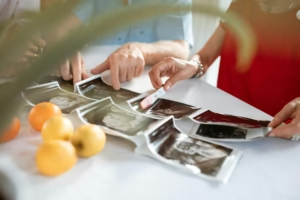
Understanding Prenatal Nutrition in the First Trimester
The first trimester of pregnancy is a crucial time for both you and your developing baby. As your body starts to change, so do your nutritional needs. Ensuring you consume the right nutrients can set the foundation for a healthy pregnancy. This guide will walk you through essential dietary considerations during the first trimester. (source: Nutrition During Pregnancy)
Key Nutrients for the First Trimester
During the first trimester, your body requires specific nutrients to support your baby’s growth and your health. Here’s a look at some vital nutrients: For more information, see our guide on Choosing the right iron supplement. For more information, see our guide on this how to choose pregnancy-safe products.
- Folic Acid: This B-vitamin is crucial for preventing neural tube defects. Aim for at least 400-800 micrograms daily from fortified foods or prenatal vitamins.
- Iron: Essential for making hemoglobin, the protein in red blood cells that carries oxygen. Include iron-rich foods like lean red meat, poultry, and legumes in your diet.
- Calcium: Supports the development of your baby’s bones and teeth. Aim for 1,000 mg per day through dairy products, leafy greens, and fortified foods.
- Vitamin D: Helps your body use calcium. Ensure you’re getting 600 IU daily from fortified milk or safe sun exposure.
- Omega-3 Fatty Acids: Important for brain development. Include sources like fish low in mercury, flaxseeds, and walnuts.
Foods to Include in Your Diet
Incorporating a variety of foods can help you meet your nutritional needs:
- Leafy Greens: Spinach, kale, and broccoli are rich in folic acid and iron.
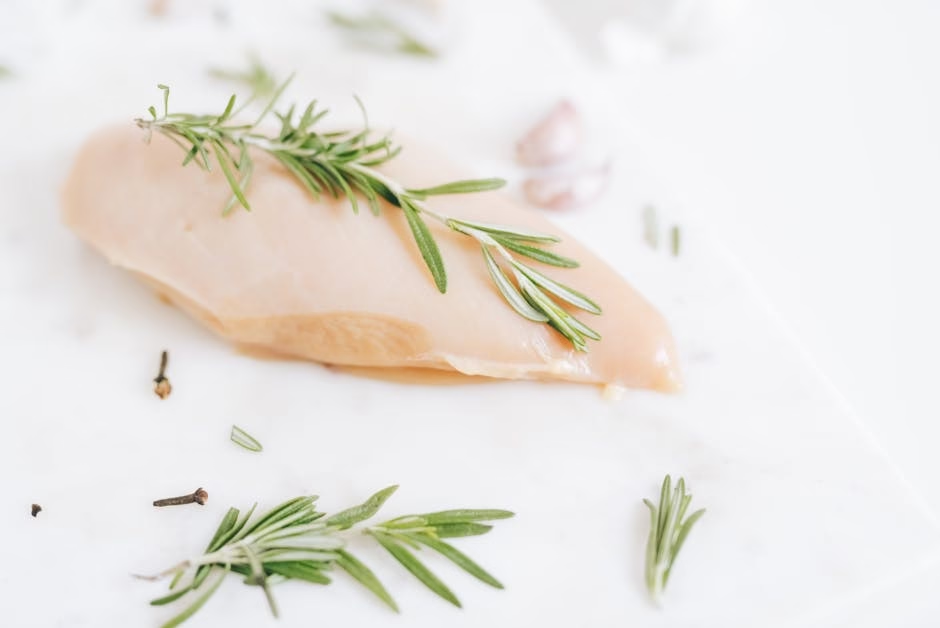
- Lean Proteins: Chicken, turkey, and tofu provide essential amino acids for growth.
- Whole Grains: Brown rice, quinoa, and whole wheat bread offer fiber and B-vitamins.
- Dairy Products: Milk, cheese, and yogurt are excellent calcium sources.
- Fruits: Oranges, bananas, and berries provide vitamins and fiber.
Foods to Avoid During the First Trimester
Certain foods can pose risks to you and your baby during early pregnancy. It’s best to avoid:
- Raw or Undercooked Seafood: These can harbor harmful bacteria or parasites.
- Raw Eggs: May contain Salmonella. Avoid foods made with raw eggs like certain dressings and desserts.
- High-Mercury Fish: Such as shark, swordfish, and king mackerel.
- Unpasteurized Dairy: These products may contain Listeria.
- Excessive Caffeine: Limit to 200 mg per day to reduce the risk of miscarriage.
Dealing with Common First Trimester Challenges
Nausea, food aversions, and fatigue are common in the first trimester and can make eating well challenging. Here are some tips:
- Small, Frequent Meals: Eating small amounts throughout the day can help manage nausea.
- Stay Hydrated: Sip water, ginger tea, or electrolyte drinks to stay hydrated.
- Listen to Your Body: Eat nutrient-dense foods that you can tolerate.
- Ginger and Peppermint: These can soothe nausea for some women.
Using SafeMom for Ingredient Safety
As you navigate dietary changes, the SafeMom app can be a valuable tool. It helps you check the safety of ingredients in your foods and supplements, giving you peace of mind during your pregnancy.
Frequently Asked Questions
Q: What vitamins should I take during the first trimester?
A: It’s generally recommended to take a prenatal vitamin containing folic acid, iron, and calcium. Your healthcare provider can suggest a suitable option based on your needs.
Q: Can I drink coffee during the first trimester?
A: Yes, but in moderation. It’s advisable to limit caffeine intake to about 200 mg per day, which is roughly one 12-ounce cup of coffee.
Q: How can I manage morning sickness through diet?
A: Eating small, frequent meals can help. Foods like ginger, crackers, and peppermint tea might ease symptoms. Consult your healthcare provider for personalized advice.