
Prenatal Vitamins and Supplements: A Complete Guide
During pregnancy, your body undergoes significant changes, and it’s essential to provide it with the nutrients needed to support both you and your growing baby. Prenatal vitamins and supplements play a crucial role in filling nutritional gaps and ensuring a healthy pregnancy journey. But what exactly should you be looking for in these supplements?
Why Prenatal Vitamins are Important
Prenatal vitamins are specially formulated to support the nutritional needs of pregnancy. They contain a combination of vitamins and minerals that help promote fetal development and maternal health. Key nutrients often found in prenatal vitamins include folic acid, iron, calcium, and DHA. For more information, see our guide on Vitamins and Supplements During Pregnancy. For more information, see our guide on Best Iron Supplements for Expecting Mothers. For more information, see our guide on Prenatal Nutrition in Early Pregnancy.
Key Nutrients in Prenatal Vitamins
Here are some essential nutrients you should look for in prenatal vitamins:
- Folic Acid: This B vitamin is crucial for preventing neural tube defects. The American College of Obstetricians and Gynecologists (ACOG) recommends a daily intake of at least 400 micrograms before conception and during early pregnancy.
- Iron: Iron supports the development of the placenta and fetus and helps prevent anemia, which is common during pregnancy.
- Calcium: Important for building strong bones and teeth in the developing baby. Aim for at least 1,000 mg per day.
- DHA: An omega-3 fatty acid that supports brain and eye development. Look for prenatal vitamins with 200 to 300 mg of DHA.
When to Start Taking Prenatal Vitamins
It’s beneficial to start taking prenatal vitamins before conception if possible. This ensures that your body has the necessary nutrients from the very beginning of pregnancy. If you’re planning to become pregnant, consult your healthcare provider to determine the best time to start supplementation.
Choosing the Right Prenatal Vitamin
With numerous options available, choosing the right prenatal vitamin can be overwhelming. Consider the following tips:
- Consult Your Healthcare Provider: Always discuss with your doctor to tailor the choice to your specific health needs.
- Check Label Claims: Ensure the vitamin meets the recommended daily values of key nutrients.
- Use SafeMom App: Use the SafeMom app to verify the safety of ingredients in prenatal vitamins and get personalized recommendations.
Additional Supplements to Consider
While prenatal vitamins cover many essential nutrients, some women may need additional supplements. Here are a few to consider:
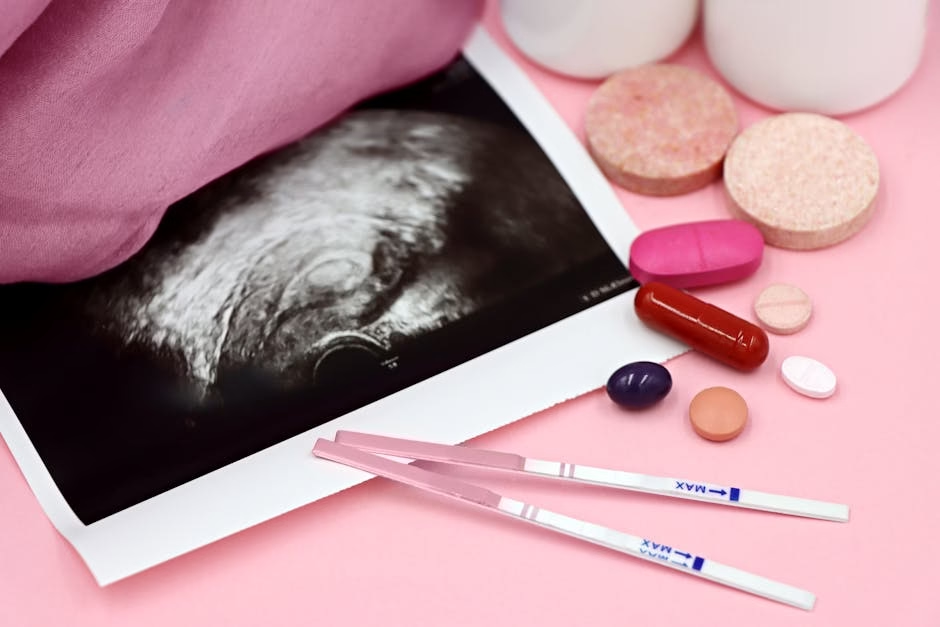
- Vitamin D: Supports bone health and immune function. If your prenatal vitamin lacks sufficient Vitamin D, a separate supplement may be needed.
- Choline: Important for brain development. Not all prenatal vitamins contain choline, so you may need to supplement separately.
- Probiotics: Can aid digestion and support a healthy gut microbiome, which is beneficial during pregnancy.
Potential Side Effects of Prenatal Vitamins
While prenatal vitamins are generally safe, some women may experience side effects such as nausea or constipation. If you encounter these issues, consider:
- Taking your vitamins with food to reduce nausea.
- Increasing fiber intake to help with constipation.
- Consulting your healthcare provider for alternative formulations.
Frequently Asked Questions
Q: Can I take prenatal vitamins if I’m not pregnant?
A: Yes, prenatal vitamins can be beneficial for women planning to conceive and those who are breastfeeding. However, unnecessary supplementation can lead to excessive intake of certain nutrients, so consult your healthcare provider for advice tailored to your needs.
Q: Are there any ingredients in prenatal vitamins I should avoid?
A: It’s important to avoid excessive vitamin A as it can harm fetal development. Always check the labels and use the SafeMom app to ensure the safety of ingredients in your prenatal vitamins.
Q: Do I still need to eat a balanced diet if I’m taking prenatal vitamins?
A: Yes, prenatal vitamins are meant to supplement, not replace, a healthy diet. Eating a variety of nutrient-rich foods is essential to meet the nutritional needs of you and your baby.