
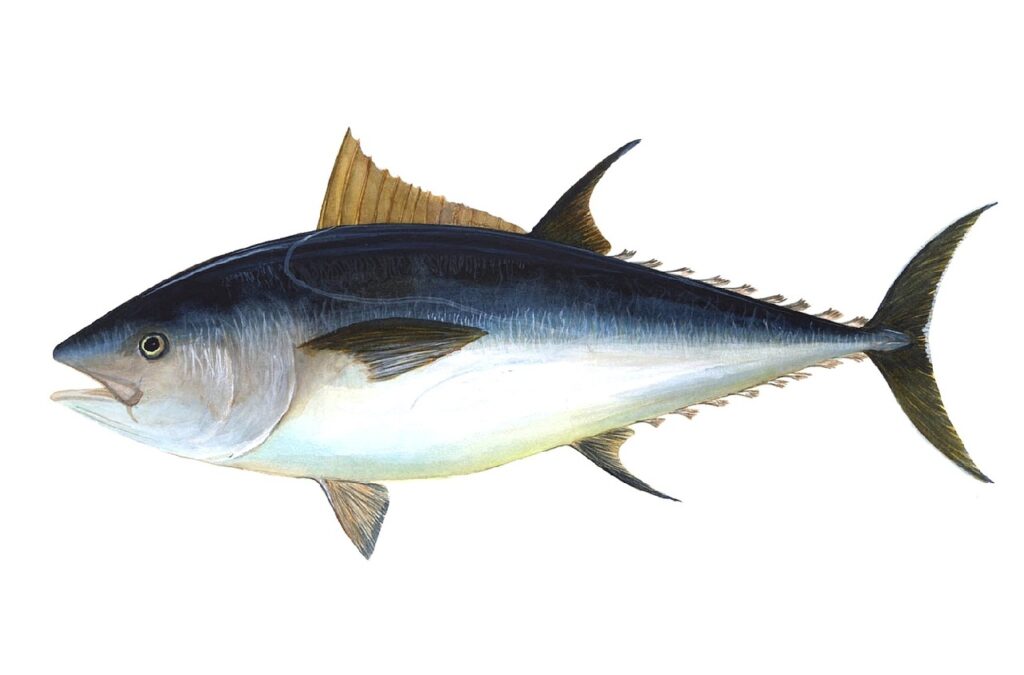
High-Mercury Fish
Quick answer
During pregnancy, it's best to avoid high-mercury fish like swordfish, shark, and king mackerel. These larger fish can accumulate high levels of mercury, which is linked to potential neurological effects for your developing baby. Always check with your healthcare provider for personalized guidance.
INCI name
High-Mercury Fish
Also known as
swordfish, shark, king mackerel, tilefish, bigeye tuna
What is High-Mercury Fish?
For the well-being of your developing baby, it is recommended to avoid high-mercury fish during pregnancy.
What is High-Mercury Fish?
When we talk about “high-mercury fish,” we’re generally referring to larger, longer-lived predatory fish that tend to accumulate higher levels of mercury in their systems. Common examples include swordfish, shark, king mackerel, tilefish (especially from the Gulf of Mexico), and bigeye tuna. These popular choices can harbor more mercury due to their position at the top of the marine food chain.
The mercury in fish is primarily methylmercury, an organic form absorbed by the body. It enters the aquatic environment, gets converted by bacteria, and then bioaccumulates as smaller fish are eaten by larger ones. This means the bigger and older the fish, the more methylmercury it’s likely to contain.
Why Pregnant Women Ask About It
Fish can be a wonderful source of lean protein and omega-3 fatty acids, which are fantastic for overall health. So, it’s totally understandable why many expectant moms want to include it in their pregnancy diet! However, with the buzz around mercury levels, it’s natural to wonder which fish are truly okay to enjoy and which ones might be better to skip for a little while. The main concern, of course, is how mercury might affect a developing baby’s delicate system, especially their brain and nervous system.
What Research and Expert Consensus Say
Research indicates that exposure to high levels of methylmercury during pregnancy is linked to potential neurological harm in a developing fetus. Methylmercury can readily cross the placenta, reaching your baby’s system and potentially interfering with brain and nervous system development.
Major health organizations, including the U.S. Food and Drug Administration (FDA) and the Environmental Protection Agency (EPA), advise pregnant women to avoid these specific high-mercury fish species. This is a proactive step to minimize potential exposure to levels that could be a concern for your little one’s delicate development.
It’s important to remember that this guidance specifically targets fish known to have high mercury content. Many other types of fish are encouraged during pregnancy due to their beneficial nutrients; it’s not a blanket recommendation to avoid all fish. The key is making informed choices based on mercury levels.
Safer Alternatives to Use Instead
The good news is there are plenty of delicious, low-mercury fish options perfect for pregnancy! Incorporate choices like salmon, canned light tuna (check labels for albacore vs. light), cod, tilapia, shrimp, and sardines. These provide amazing omega-3s without the higher mercury concerns.
If you’re looking for other ways to get those beneficial omega-3s, you can also explore plant-based sources like flaxseeds, chia seeds, walnuts, and fortified foods. There are so many lovely ways to nourish yourself and your baby during this special time!
How SafeMom Can Help
Navigating food choices during pregnancy can feel like a lot, but SafeMom is here to help you feel confident and informed. While we’ve discussed general categories of fish here, the SafeMom app can help you keep track of specific ingredients in your favorite products. You can always scan any food item or ingredient in the SafeMom app for a quick pregnancy-safety check and personalized guidance!
Frequently Asked Questions
Why is mercury a concern during pregnancy?
Methylmercury can cross the placenta to your developing baby. High exposure levels are linked to potential effects on the baby’s developing brain and nervous system, prompting health experts to advise caution.
Can cooking fish reduce its mercury content?
Unfortunately, cooking methods like baking, frying, or grilling do not reduce the mercury content in fish. The mercury is bound within the fish’s tissue, so it remains present regardless of how it’s prepared.
What about canned tuna? Is it safe?
Canned tuna can be a good source of protein and omega-3s, but it depends on the type. Canned “light” tuna (often skipjack) is generally lower in mercury than canned “albacore” (white) tuna. Health guidelines suggest pregnant women can enjoy canned light tuna in moderation, but it’s best to limit albacore tuna.
How much fish is okay to eat during pregnancy?
For low-mercury fish, health organizations generally recommend 8 to 12 ounces (two to three servings) per week. This allows you to gain nutrients without overdoing it on mercury. Always consult the latest guidelines from trusted sources or your healthcare provider.
SafeMom content is informational only and is not a substitute for medical advice. Always consult your healthcare provider before changing your routine during pregnancy. Scan any specific product in the SafeMom app for a complete pregnancy-safety check.
Related SafeMom Ingredient Guides
Trimester-specific note
Mercury exposure is a concern throughout all trimesters, as fetal brain development is ongoing. Therefore, avoiding high-mercury fish is a consistent recommendation throughout your entire pregnancy.
When to talk to your OB
If you used a product containing High-Mercury Fish before learning you were pregnant, mention it at your next prenatal visit — but most topical cosmetic exposures are not a cause for panic. For prescription exposures or specific concerns, contact your OB or midwife directly.