
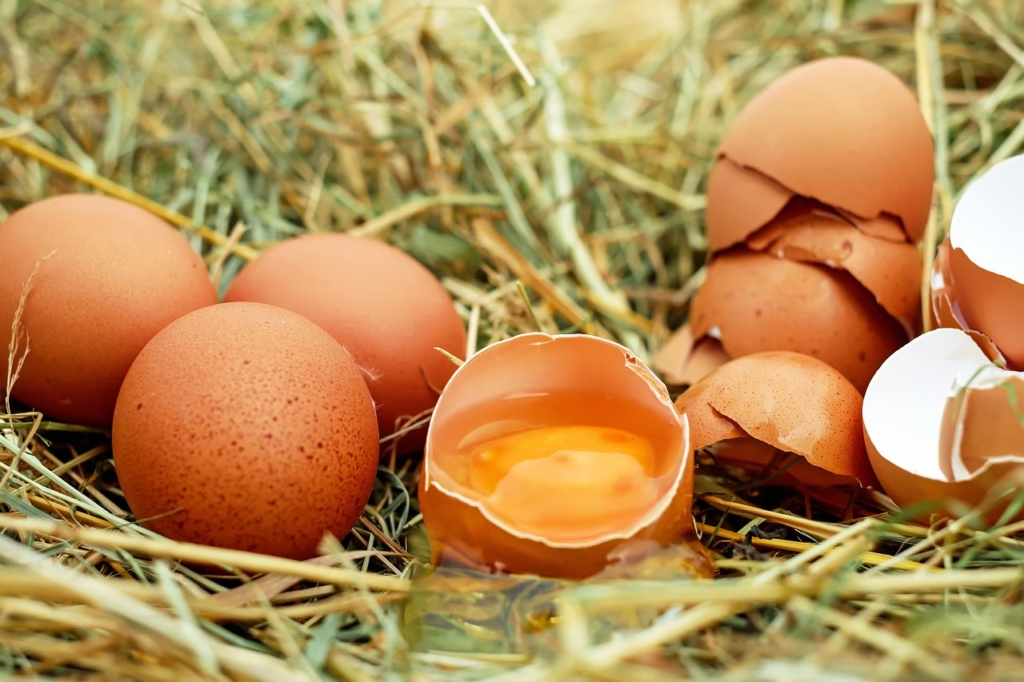
Raw Eggs
Quick answer
When you're expecting, it's best to avoid raw or undercooked eggs due to the risk of Salmonella. This includes foods that might contain them, like some homemade dressings or sauces. SafeMom advises choosing fully cooked egg options during pregnancy for peace of mind.
INCI name
Raw Eggs
Also known as
runny eggs, undercooked eggs
What is Raw Eggs?
During pregnancy, it’s recommended to avoid raw or undercooked eggs to minimize the risk of foodborne illness like Salmonella.
What are Raw Eggs?
Raw eggs, also known as runny or undercooked eggs, are eggs that have not been heated to a temperature high enough to cook the yolk and white completely through. While many people enjoy the creamy texture of a runny yolk or the richness raw eggs add to dishes, they carry a specific food safety consideration.
You might encounter raw or undercooked eggs in various foods, from a sunny-side-up breakfast egg with a liquid yolk to homemade Caesar dressing, hollandaise sauce, certain mousses, tiramisu, or even in unbaked cookie dough and cake batter. Understanding where they might be lurking is the first step to making informed choices.
Why Pregnant Women Ask About Raw Eggs
Eggs are a staple in many diets, valued for their versatility and nutritional benefits. However, the unique physiological changes during pregnancy can make expectant mothers more susceptible to certain foodborne illnesses. This increased vulnerability naturally leads to questions about ingredients like raw eggs, which are known to carry potential risks.
For those who love to cook or enjoy dishes that traditionally feature raw or lightly cooked eggs, navigating pregnancy-safe food choices can sometimes feel like a puzzle. Concerns often arise around the potential impact on both the mother’s health and the developing baby.
What Research and Expert Consensus Say
The primary concern with consuming raw or undercooked eggs during pregnancy is the risk of Salmonella infection. Salmonella is a type of bacteria that can live on both the inside and outside of eggs. While the risk of an individual egg being contaminated is relatively low, the consequences for a pregnant person can be more significant.
If a pregnant person contracts Salmonella, they can experience symptoms such as fever, nausea, vomiting, abdominal cramps, and diarrhea. While these symptoms are usually unpleasant but not directly harmful to the baby, severe dehydration or a high fever in the mother could potentially lead to complications. Health organizations worldwide generally advise pregnant individuals to avoid raw and undercooked eggs to proactively minimize this risk. Thorough cooking, until both the yolk and white are firm, effectively eliminates the Salmonella bacteria, making eggs a safe and nutritious food choice during pregnancy.
Safer Alternatives to Use Instead
The good news is that you don’t have to give up eggs entirely during pregnancy! There are plenty of wonderful ways to enjoy them safely. Opt for fully cooked eggs, where both the yolk and white are firm. Think scrambled eggs, hard-boiled eggs, frittatas, omelets, or eggs baked into casseroles.
For recipes that traditionally call for raw eggs, such as homemade mayonnaise, Caesar dressing, or smoothies, consider using pasteurized eggs. These eggs have been gently heated to kill bacteria without cooking them, making them a safer alternative. Many store-bought dressings and sauces also use pasteurized eggs, but it’s always a good idea to check the label. Egg substitutes, often found in cartons, are also a safe option.
How SafeMom Can Help
Navigating food choices during pregnancy can feel overwhelming, but SafeMom is here to help simplify the process. Our app provides clear, easy-to-understand information on a wide range of ingredients, helping you make confident decisions about what you eat. Scan any specific product in the SafeMom app for a complete pregnancy-safety check.
FAQ: Can I eat eggs with runny yolks if they’re organic or free-range?
Unfortunately, the risk of Salmonella contamination is not eliminated by an egg’s organic or free-range status. The bacteria can still be present, so it’s best to cook all eggs thoroughly during pregnancy, regardless of their origin.
FAQ: Are store-bought mayonnaise and dressings safe?
Most commercially produced mayonnaise, dressings, and sauces are made with pasteurized eggs, which are safe for consumption during pregnancy. Always check the ingredient list to confirm, but generally, these are safe choices.
FAQ: What about baked goods that contain eggs?
Baked goods like cakes, cookies, and muffins are generally safe because the eggs used in them are fully cooked during the baking process. The high temperatures eliminate any potential Salmonella bacteria.
FAQ: What if I accidentally ate something with raw egg?
Don’t panic! The risk of contamination in any single instance is low. Monitor yourself for symptoms like fever, vomiting, or severe diarrhea. If you experience any concerning symptoms, or are simply worried, it’s always a good idea to contact your healthcare provider for advice.
SafeMom content is informational only and is not a substitute for medical advice. Always consult your healthcare provider before changing your routine during pregnancy. Scan any specific product in the SafeMom app for a complete pregnancy-safety check.
Related SafeMom Ingredient Guides
Trimester-specific note
The recommendation to avoid raw or undercooked eggs applies throughout all trimesters of pregnancy. The risk of foodborne illness from Salmonella doesn't change with trimester.
When to talk to your OB
If you used a product containing Raw Eggs before learning you were pregnant, mention it at your next prenatal visit — but most topical cosmetic exposures are not a cause for panic. For prescription exposures or specific concerns, contact your OB or midwife directly.