
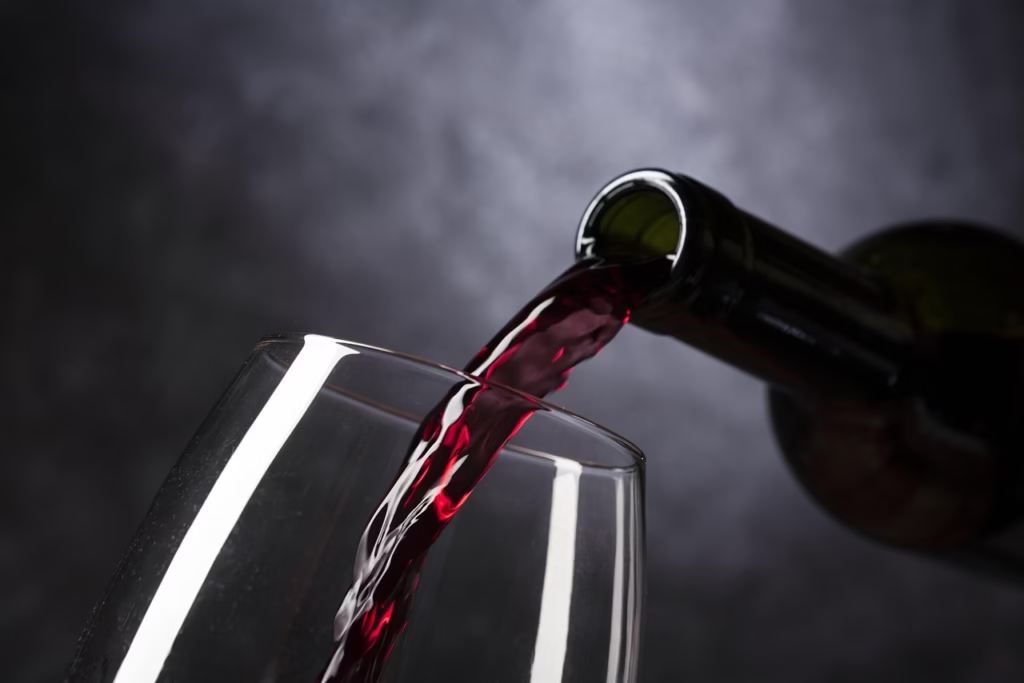
Alcohol
Quick answer
When it comes to alcohol during pregnancy, the clear guidance is to avoid it entirely. There's no established safe amount, and consumption is linked to fetal alcohol spectrum disorders, making abstinence the safest choice for your little one's development. This is for informational purposes, not medical advice.
INCI name
Alcohol
Also known as
wine, beer, spirits, cocktails
What is Alcohol?
For the well-being of your developing baby, it’s advised to completely avoid alcohol throughout your pregnancy, as no safe consumption level has been identified.
What is Alcohol?
When we talk about ‘alcohol’ in the context of pregnancy, we’re referring to ethanol, the type of alcohol found in alcoholic beverages like wine, beer, and spirits. It’s a psychoactive substance that affects the central nervous system, and for many adults, it’s a part of social gatherings or relaxation.
While enjoyed responsibly by non-pregnant individuals, its chemical structure allows it to easily cross biological membranes, which is a key factor in how it interacts with the body, including a developing fetus. Understanding this journey is important for grasping why its role changes so much during pregnancy.
Why pregnant women ask about it
Many expecting moms, especially those who enjoyed a glass of wine or a cocktail before pregnancy, naturally wonder about alcohol’s safety. Questions like ‘is a small sip okay?’ or ‘what about alcohol in cooking?’ often come up, reflecting a desire to navigate social situations while prioritizing their baby’s health. It’s totally normal to seek clarity on something so prevalent in our culture.
What research and expert consensus say
The overwhelming consensus from health professionals and organizations worldwide is to completely avoid alcohol during pregnancy. The reason is quite clear: no amount of alcohol has been proven to be safe for a developing baby, and there isn’t a ‘safe’ threshold or specific time during pregnancy when it’s okay to drink.
When a pregnant person consumes alcohol, it passes through the placenta directly to the baby. The baby’s developing liver isn’t equipped to process alcohol as efficiently as an adult’s, meaning the alcohol stays in their system longer and can potentially affect their growth and development. This can lead to a range of lifelong conditions known as Fetal Alcohol Spectrum Disorders (FASDs), which can impact physical, mental, behavioral, and learning abilities.
Because every pregnancy is unique and individual sensitivities can vary, the most cautious and recommended approach is to abstain from all alcoholic beverages from conception through to birth. This ensures the greatest protection for your little one as they grow and develop.
Safer alternatives to use instead
The good news is that avoiding alcohol doesn’t mean missing out on delicious and festive drinks! There’s a wonderful world of ‘mocktails’ and alcohol-free alternatives to explore. Think sparkling cider, refreshing fruit-infused waters, or delightful non-alcoholic beers and wines that offer a similar experience without the alcohol content.
Many restaurants and bars now offer creative mocktail menus, and you can easily whip up your own at home. Experiment with fresh juices, herbs, and sparkling water to craft your perfect pregnancy-friendly beverage. It’s a fantastic way to feel included in celebrations while keeping your baby’s safety top of mind.
How SafeMom can help
Navigating ingredient lists can feel like a full-time job during pregnancy, but SafeMom is here to make it easier! While the verdict on alcohol in beverages is clear, if you’re ever curious about other ingredients in your food or drinks, just remember you can scan any product in the SafeMom app for a quick and clear pregnancy-safety check.
FAQ
Does alcohol in cooked food pose a risk?
When alcohol is used in cooking, some of it typically evaporates, but not all. The amount that remains can vary widely depending on the cooking method, temperature, and duration. For absolute peace of mind, many expecting moms choose to avoid dishes where alcohol is a primary or significant ingredient, or opt for recipes that don’t call for it at all. If you have concerns about a specific dish, it’s always best to ask or choose an alternative.
Are non-alcoholic beers and wines truly safe?
Many non-alcoholic beers and wines are labeled ‘alcohol-free,’ but some can still contain trace amounts of alcohol (typically up to 0.5% ABV). While this is a very small amount, if you’re aiming for complete abstinence, it’s worth checking labels carefully. True 0.0% options are available and can be a wonderful way to enjoy a similar taste experience without any alcohol worries.
Is there a specific trimester when alcohol is more harmful?
No specific trimester is considered ‘safe’ for alcohol consumption. Alcohol can affect a developing baby at any stage of pregnancy. The brain and organs are developing throughout pregnancy, and exposure at any point can have potential consequences. That’s why the recommendation is to avoid alcohol entirely from conception through birth.
What if I drank alcohol before I knew I was pregnant?
It’s very common for women to consume alcohol before they realize they’re pregnant. If this has happened to you, please don’t panic or feel guilty. The most important step is to stop drinking alcohol as soon as you know you’re pregnant and continue to abstain. If you have any concerns or questions, please chat with your healthcare provider, who can offer reassurance and guidance specific to your situation.
SafeMom content is informational only and is not a substitute for medical advice. Always consult your healthcare provider before changing your routine during pregnancy. Scan any specific product in the SafeMom app for a complete pregnancy-safety check.
Related SafeMom Ingredient Guides
Trimester-specific note
No specific trimester is considered safe for alcohol consumption. Alcohol can affect a developing baby at any stage, so complete abstinence is recommended throughout pregnancy.
When to talk to your OB
If you used a product containing Alcohol before learning you were pregnant, mention it at your next prenatal visit — but most topical cosmetic exposures are not a cause for panic. For prescription exposures or specific concerns, contact your OB or midwife directly.