
Folic Acid
Quick answer
Folic Acid is generally safe and highly recommended during pregnancy. It's a vital nutrient, especially in early pregnancy, for your baby's neural tube development. Experts advise supplementing before and throughout pregnancy.
INCI name
Folic Acid
Also known as
folate, vitamin B9
What is Folic Acid?
Folic Acid is a superstar nutrient that’s not just safe, but essential for a healthy pregnancy, especially in those crucial early weeks.
What is Folic Acid?
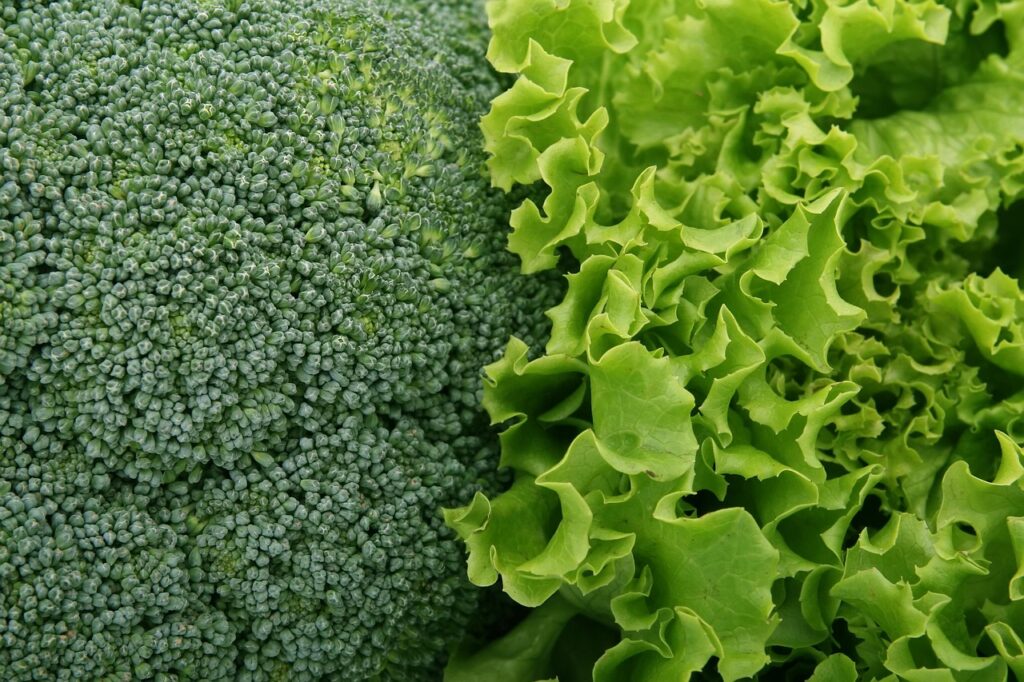
Folic acid, also known as folate or vitamin B9, is a water-soluble B vitamin that plays a crucial role in cell growth and development. It’s naturally found in many foods like leafy green vegetables, citrus fruits, beans, and fortified grains. Our bodies need folate to make DNA and other genetic material, and for cell division – pretty important stuff!
While “folate” refers to the naturally occurring form of vitamin B9 found in food, “folic acid” is the synthetic form often used in supplements and fortified foods. Both forms are important, but folic acid from supplements is often more readily absorbed by the body, making it a reliable way to ensure you’re getting enough of this vital nutrient.
Why pregnant women ask about it
When you’re expecting, every ingredient that goes into or onto your body gets a closer look, and rightly so! Folic acid is often a topic of discussion because it’s so widely recommended for pregnancy. Many mamas-to-be want to understand why it’s so important, how much they truly need, and if there are any considerations for its use during this special time. It’s natural to want to ensure you’re making the best choices for both yourself and your developing little one.
What research and expert consensus say
The consensus among health experts is overwhelmingly positive when it comes to folic acid during pregnancy. It’s not just safe; it’s considered a critical nutrient. The primary reason for this strong recommendation is its vital role in preventing neural tube defects (NTDs), which are serious birth defects of the brain and spine, such as spina bifida. These defects often occur very early in pregnancy, sometimes even before you know you’re pregnant.
Research consistently shows that adequate folic acid intake before conception and during the first trimester significantly reduces the risk of NTDs. This is why many healthcare providers recommend starting folic acid supplementation even before trying to conceive. The good news is that for most people, the typical recommended dosages are well-tolerated and provide immense benefits without concern.
The general recommendation from health organizations is for individuals who could become pregnant to take 400 micrograms (mcg) of folic acid daily. Once pregnant, this recommendation often increases to 600-800 mcg/day, depending on individual needs and healthcare provider advice. It’s truly one of those foundational nutrients that helps lay a healthy groundwork for your baby’s development.
How to use it safely during pregnancy
Using folic acid safely during pregnancy is straightforward, as it’s typically included in prenatal vitamins. The key is to start early! Ideally, you’d begin taking a folic acid supplement at least one month before you even start trying to conceive and continue through the first trimester. However, if you find out you’re pregnant and haven’t been taking it, start as soon as possible.
Always follow the dosage recommendations from your healthcare provider. While 400-800 mcg/day is a common guideline, some individuals might require a different amount based on their health history or specific risk factors. Remember, while diet can contribute to your folate intake, a supplement ensures you consistently meet the recommended levels, which is especially important during pregnancy.
How SafeMom can help
Navigating all the ingredients in your prenatal vitamins, supplements, and even fortified foods can feel like a lot. While folic acid is a clear “go,” you might have other ingredients you’re curious about. The SafeMom app is here to be your derm-savvy big sister, helping you quickly check the pregnancy safety of any product. Just scan any specific product in the SafeMom app for a complete pregnancy-safety check and feel more confident about your choices!
Frequently Asked Questions About Folic Acid
What’s the difference between folate and folic acid?
Folate is the natural form of vitamin B9 found in foods, while folic acid is the synthetic, man-made form used in supplements and fortified foods. Both are important, but folic acid is often better absorbed by the body.
Can I get enough folic acid from food alone during pregnancy?
While many foods contain folate, it can be challenging to get the recommended amount of folic acid for pregnancy solely through diet. That’s why supplementation, usually through a prenatal vitamin, is highly recommended to ensure adequate intake and help prevent neural tube defects.
Is it possible to take too much folic acid?
While folic acid is generally very safe, extremely high doses (well above typical prenatal recommendations) could potentially mask a vitamin B12 deficiency. It’s always best to stick to the dosage recommended by your healthcare provider and found in standard prenatal vitamins.
If I’m past my first trimester, do I still need folic acid?
While the critical period for preventing neural tube defects is early pregnancy, folic acid continues to support cell growth and development throughout your pregnancy. Many prenatal vitamins include it for this reason, and your healthcare provider can advise on continued supplementation.
SafeMom content is informational only and is not a substitute for medical advice. Always consult your healthcare provider before changing your routine during pregnancy. Scan any specific product in the SafeMom app for a complete pregnancy-safety check.
Trimester-specific note
Folic acid is especially critical during the preconception period and the first trimester for neural tube development. However, it continues to support healthy cell growth throughout pregnancy, so continued supplementation is generally advised.
When to talk to your OB
If you used a product containing Folic Acid before learning you were pregnant, mention it at your next prenatal visit — but most topical cosmetic exposures are not a cause for panic. For prescription exposures or specific concerns, contact your OB or midwife directly.