
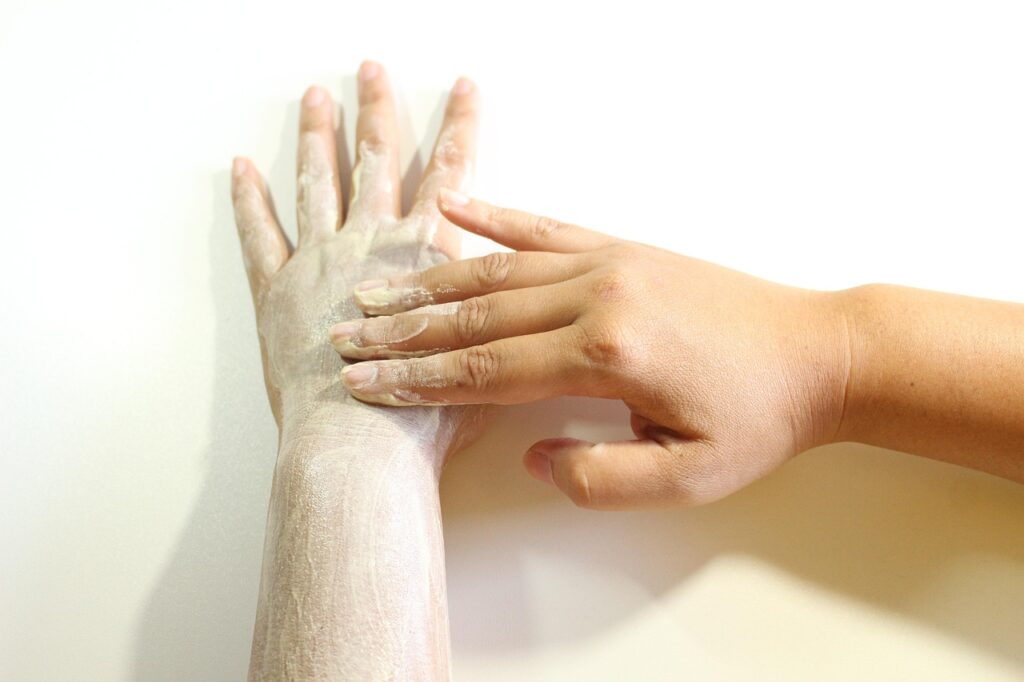
Is Glycolic Acid Safe During Pregnancy?
Quick answer
Glycolic Acid during pregnancy is a "caution" ingredient. Low concentrations (up to 10%) in at-home products are generally considered low-risk, but it's best to avoid high-percentage chemical peels. Always check your specific product in the SafeMom app.
INCI name
Glycolic Acid
Also known as
AHA, alpha hydroxy acid
What is Is Glycolic Acid Safe During Pregnancy??
Glycolic Acid during pregnancy is a “caution” ingredient. Low concentrations (up to 10%) in at-home products are generally considered low-risk, but it’s best to avoid high-percentage chemical peels. Always check your specific product in the SafeMom app.
Last updated: 2026-08-26 · Medically reviewed by SafeMom Editorial Team
Why is Glycolic Acid a concern during pregnancy?
Glycolic Acid, an alpha hydroxy acid (AHA), is a “caution” ingredient during pregnancy primarily due to the potential for increased skin sensitivity and the varying levels of systemic absorption depending on its concentration and application method. While it’s a popular exfoliant, pregnancy can make your skin more reactive, so it’s wise to approach potent actives with care.
During pregnancy, your body undergoes many changes, including hormonal shifts that can affect your skin’s barrier function and overall sensitivity. This means ingredients that might have been fine before could potentially cause more irritation or have different absorption profiles. Being mindful of the concentration of Glycolic Acid in your products is key.
What does the research say?
Research suggests that Glycolic Acid in low concentrations, typically found in at-home skincare products (up to 10%), is generally regarded as low-risk during pregnancy due to its large molecular size and limited systemic absorption. However, high-percentage chemical peels, often administered professionally, should be avoided during pregnancy.
Glycolic Acid works by gently exfoliating the surface layer of the skin, helping to improve texture and tone. Its larger molecular structure compared to some other acids means it tends to stay more on the skin’s surface, reducing the amount that could potentially enter the bloodstream. However, with higher concentrations, deeper penetration and thus greater absorption can occur, which is why professional peels are discouraged during this time. For general guidance on skincare during pregnancy, resources like the American College of Obstetricians and Gynecologists (ACOG) often advise a cautious approach to strong chemical exfoliants. (https://www.acog.org/)
| Glycolic Acid Concentration | Pregnancy Guidance |
|---|---|
| Up to 10% (at-home products) | Generally low-risk, use with caution |
| Over 10% (professional peels) | Avoid during pregnancy |
Always remember that individual skin reactions can vary, especially during pregnancy. What works for one person might not work for another. If you’re using an at-home product with Glycolic Acid, start slowly, monitor your skin for any irritation, and consider discussing it with your healthcare provider.
What are safe alternatives?
For those seeking exfoliation or skin brightening during pregnancy, there are several alternatives to Glycolic Acid, but it’s important to check each ingredient’s specific safety verdict in the SafeMom app before use. These alternatives can offer similar benefits with potentially different absorption profiles.
Common alternatives include Azelaic Acid, Lactic Acid, and Mandelic Acid, which are also AHAs but often considered gentler. Some women also explore enzyme-based exfoliants derived from fruits. Remember that even with alternatives, it’s always best to introduce new products gradually and observe your skin’s reaction. Scan any specific alternative ingredient in the SafeMom app to get its individual pregnancy verdict.
Is Glycolic Acid safe while breastfeeding?
Glycolic Acid is generally considered low-risk for use during breastfeeding, especially when applied topically at lower concentrations. The amount absorbed into the bloodstream from topical application is typically minimal and unlikely to be transferred in significant amounts to breast milk.
As a general precaution, when using any skincare product during breastfeeding, it’s wise to avoid applying it to areas where your baby might directly ingest it, such as the nipple or breast area. If you use Glycolic Acid on your chest, ensure it’s fully absorbed or wiped away before nursing. For any concerns, always consult your healthcare provider.
How SafeMom Can Help
Understanding every ingredient in your skincare routine can feel like a full-time job, especially when pregnant! That’s where SafeMom comes in. Simply scan any product’s barcode or ingredient list in the SafeMom app to get an instant, clear pregnancy-safety verdict for every ingredient, including Glycolic Acid, so you can make informed choices with confidence.
SafeMom content is informational only and is not a substitute for medical advice. Always consult your healthcare provider before changing your routine during pregnancy. Scan any specific product in the SafeMom app for a complete pregnancy-safety check.
Frequently Asked Questions
Can I use Glycolic Acid if I have sensitive skin during pregnancy?
If you have sensitive skin during pregnancy, using Glycolic Acid, even at low concentrations, may increase the risk of irritation. It’s best to start with a very low concentration, patch test, and monitor your skin closely, or consider gentler alternatives. Always check your specific product in the SafeMom app.
Are Glycolic Acid peels safe during pregnancy?
High-percentage Glycolic Acid chemical peels, typically administered professionally, should be avoided during pregnancy due to the deeper penetration and higher systemic absorption potential. Stick to low-concentration at-home products if you choose to use Glycolic Acid, and always use with caution.
Does the concentration of Glycolic Acid matter during pregnancy?
Yes, the concentration of Glycolic Acid significantly matters during pregnancy. Low concentrations (up to 10%) found in many at-home products are generally considered low-risk, while higher concentrations used in professional peels should be avoided. Always check the ingredient list for the percentage.
What should I do if my product contains Glycolic Acid and I’m pregnant?
If your product contains Glycolic Acid and you’re pregnant, check its concentration. If it’s 10% or less, you can use it with caution, being mindful of increased skin sensitivity. If it’s a higher concentration or a professional peel, it’s best to avoid it. Scan the product in the SafeMom app for a personalized check.
Related SafeMom Ingredient Guides
- Retinol — pregnancy safety guide
- Retinoids — pregnancy safety guide
- Hydroquinone — pregnancy safety guide
- Adapalene — pregnancy safety guide
- Oxybenzone — pregnancy safety guide
Trimester-specific note
The guidance for Glycolic Acid generally remains consistent across all trimesters of pregnancy. The primary concern is concentration, not the specific trimester.
When to talk to your OB
If you used a product containing Is Glycolic Acid Safe During Pregnancy? before learning you were pregnant, mention it at your next prenatal visit — but most topical cosmetic exposures are not a cause for panic. For prescription exposures or specific concerns, contact your OB or midwife directly.