
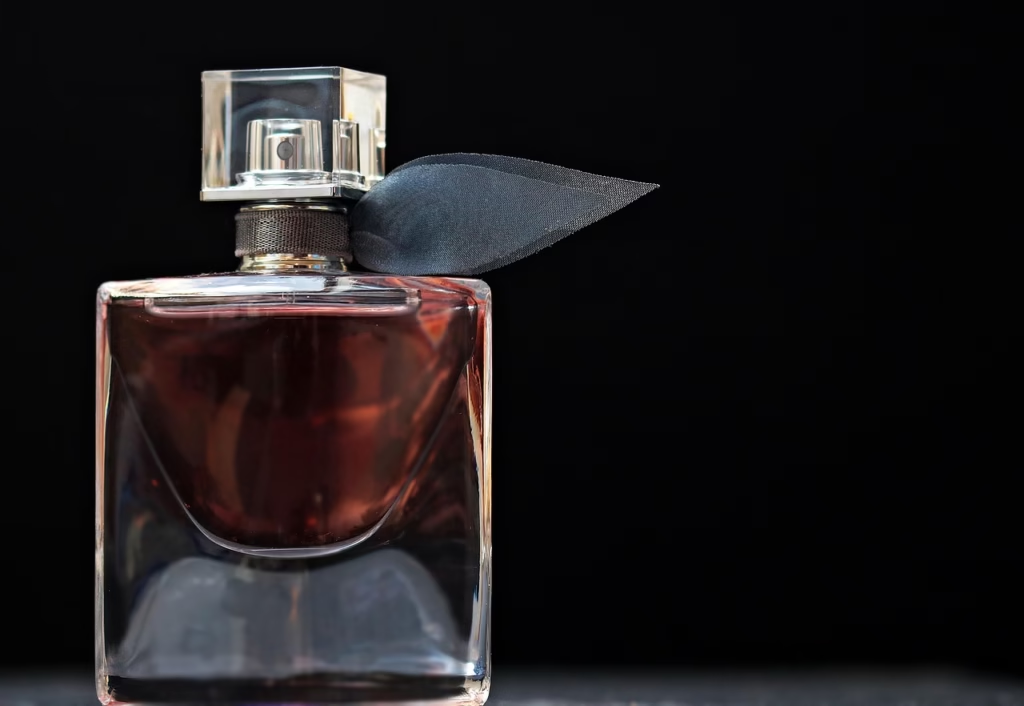
Synthetic Fragrance
Quick answer
Synthetic Fragrance, also known as parfum, gets a 'caution' verdict during pregnancy. It's often a mix of many undisclosed ingredients, some of which could be sensitizers or include phthalates. Opting for fragrance-free or naturally fragranced products is a more reassuring choice.
INCI name
Synthetic Fragrance
Also known as
parfum, fragrance
What is Synthetic Fragrance?
Synthetic fragrance, also called parfum, is often a blend of many ingredients, some of which may be sensitizing or include phthalates, leading to a “caution” verdict during pregnancy.
What is Synthetic Fragrance?
Ah, fragrance! It’s that delightful scent that makes so many of our beauty products feel luxurious. When you see “fragrance” or “parfum” on an ingredient list, it usually refers to a complex blend of synthetic chemicals designed to create a specific aroma. These blends are often proprietary, meaning companies don’t have to disclose every single component. Think of it like a secret recipe – it might contain dozens of individual ingredients to achieve that perfect note.
Why pregnant women ask about it
It’s totally understandable why your radar goes up when you see “fragrance” on a label, especially during pregnancy! You’re likely becoming a super-sleuth with ingredient lists, wanting to make the best choices for your little one. The main reason for concern with synthetic fragrance is that “secret recipe” aspect. Since the exact components aren’t usually listed, it leaves us wondering what’s truly inside, raising questions about potential sensitivities or other considerations during this special time.
What research and expert consensus say
When it comes to synthetic fragrance, the consensus leans towards a “caution” verdict. This isn’t because every single fragrance component is problematic, but due to the potential for certain ingredients within these blends. One primary consideration is the possible presence of phthalates. While not all synthetic fragrances contain phthalates, some might be used as solvents or to help scents last longer. We generally suggest exercising caution with phthalates during pregnancy. Another point of discussion is the potential for sensitizers. Many individual fragrance chemicals are known skin sensitizers, meaning they can cause allergic reactions or irritation in some people. While this might be more of a concern for your own skin comfort, avoiding known sensitizers can be a gentle approach during pregnancy when your skin can sometimes be a little more reactive. Because the specific ingredients in a “fragrance” blend are proprietary, it’s challenging to give a blanket “safe” or “unsafe” assessment for every product. This is why we lean towards “caution” – it’s about making an informed choice when full transparency isn’t available. Opting for products that clearly state they are “fragrance-free” or use only naturally derived fragrances (where each component is often listed) can offer more peace of mind.
Safer alternatives to use instead
If you’re looking to minimize exposure to synthetic fragrances, you have some wonderful options! Many brands now offer truly “fragrance-free” products, which means no added synthetic scents or masking fragrances. These are often great choices for sensitive skin too. Another path is to explore products that use naturally derived fragrances, like essential oils (though even with essential oils, it’s wise to check their individual safety during pregnancy). The key here is transparency – if the product lists specific natural fragrance components, you have more information to work with. Choosing products that clearly state their fragrance profile, or lack thereof, helps you feel more in control.
How SafeMom can help
Feeling a little overwhelmed by ingredient lists? That’s exactly what SafeMom is here for! Our app helps you quickly understand the pregnancy safety of ingredients in your favorite products. Simply scan any product in the SafeMom app to get instant, clear insights into its ingredient list, helping you make confident choices for your pregnancy journey.
FAQs about Synthetic Fragrance and Pregnancy
Is “fragrance-free” always better than “unscented” during pregnancy?
“Fragrance-free” typically means no fragrance chemicals, synthetic or natural, have been added. “Unscented,” however, can sometimes mean a masking fragrance has been added to neutralize other odors. Always check the ingredient list for “fragrance” or “parfum” if you’re aiming to avoid scents.
Can synthetic fragrance cause skin irritation during pregnancy?
It’s possible! Pregnancy can sometimes make your skin a bit more sensitive. Since some components of synthetic fragrances are known sensitizers, they could potentially cause irritation or allergic reactions for some individuals. Choosing fragrance-free products can be a gentle option for reactive skin.
Are natural fragrances always safe during pregnancy?
Not necessarily. While “natural” sounds lovely, some naturally derived fragrance components, like certain essential oils, may still need caution during pregnancy. Always check specific natural fragrance ingredients and scan products in the SafeMom app for guidance.
How can I identify synthetic fragrance on an ingredient list?
Look for terms like “fragrance,” “parfum,” or “aroma” on the ingredient list. These are the most common umbrella terms for a synthetic fragrance blend. If a product uses a specific natural scent, it might list the botanical extract directly, but “fragrance” is usually the giveaway.
SafeMom content is informational only and is not a substitute for medical advice. Always consult your healthcare provider before changing your routine during pregnancy. Scan any specific product in the SafeMom app for a complete pregnancy-safety check.
Related SafeMom Ingredient Guides
Trimester-specific note
The considerations for synthetic fragrance generally apply throughout all trimesters, as there's no specific timing that makes it more or less relevant.
When to talk to your OB
If you used a product containing Synthetic Fragrance before learning you were pregnant, mention it at your next prenatal visit — but most topical cosmetic exposures are not a cause for panic. For prescription exposures or specific concerns, contact your OB or midwife directly.