
Is Soft Cheese Safe During Pregnancy?
Answer
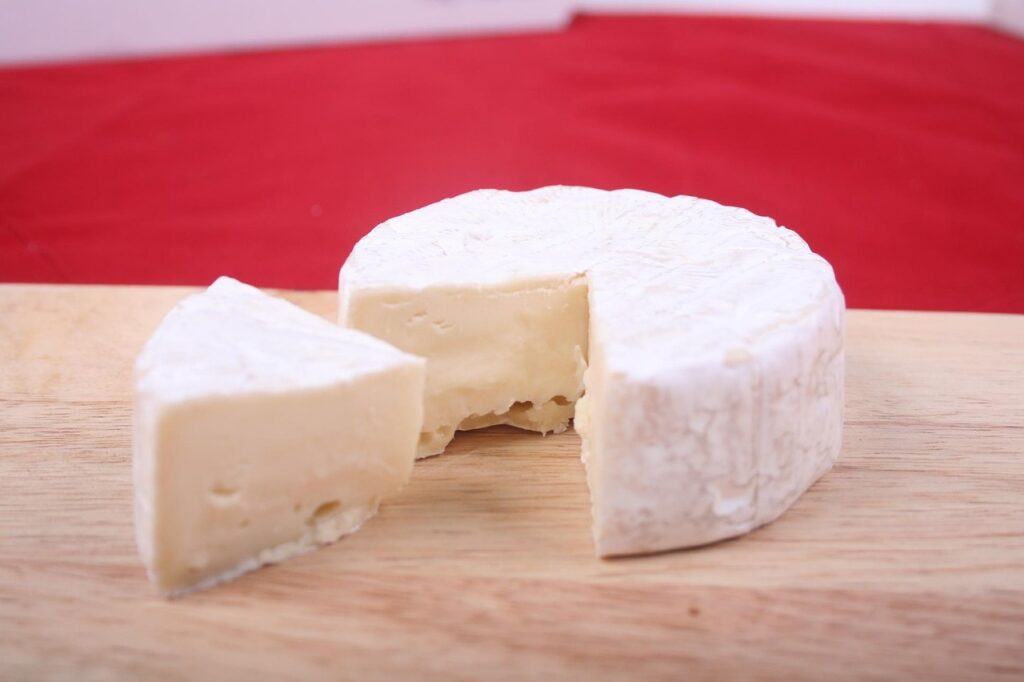
When you're expecting, it's wise to approach soft cheeses with caution. The CDC recommends checking labels, as soft cheeses like brie or feta carry a risk of Listeria contamination if they are not made from pasteurized milk. Opt for pasteurized versions or hard cheeses instead.
Soft Cheeses During Pregnancy: A “Caution” Verdict
When you’re pregnant, enjoying soft cheeses like queso fresco, brie, or feta requires a little extra attention. The Centers for Disease Control and Prevention (CDC) advises caution with these types of cheeses because, unless they are clearly labeled as made from pasteurized milk, there’s a potential risk of contamination with a bacteria called Listeria 1.
Understanding the “Why”: Listeria Risk
Listeria contamination is a concern because it can lead to serious illness during pregnancy 1. To help keep you and your little one safe, it’s important to be mindful of how your soft cheeses are made. Here’s what to look for:
- Soft cheeses to approach with caution (unless pasteurized):
- Queso fresco
- Brie
- Feta
- Similar soft varieties
Making Pregnancy-Safe Choices
The good news is that you don’t necessarily have to give up all cheese! Soft cheeses that are clearly labeled as made from pasteurized milk are generally considered acceptable during pregnancy 1. Additionally, hard cheeses are typically considered acceptable choices 1. Always check the product label to confirm pasteurization.
Please remember, SafeMom provides informational content and is not a substitute for professional medical advice. Always consult with your healthcare provider for personalized guidance regarding your pregnancy.
Related questions
Sources
- Food Safety for Pregnant Women. CDC. View source →