
Pregnancy Skincare: Ingredients to Avoid
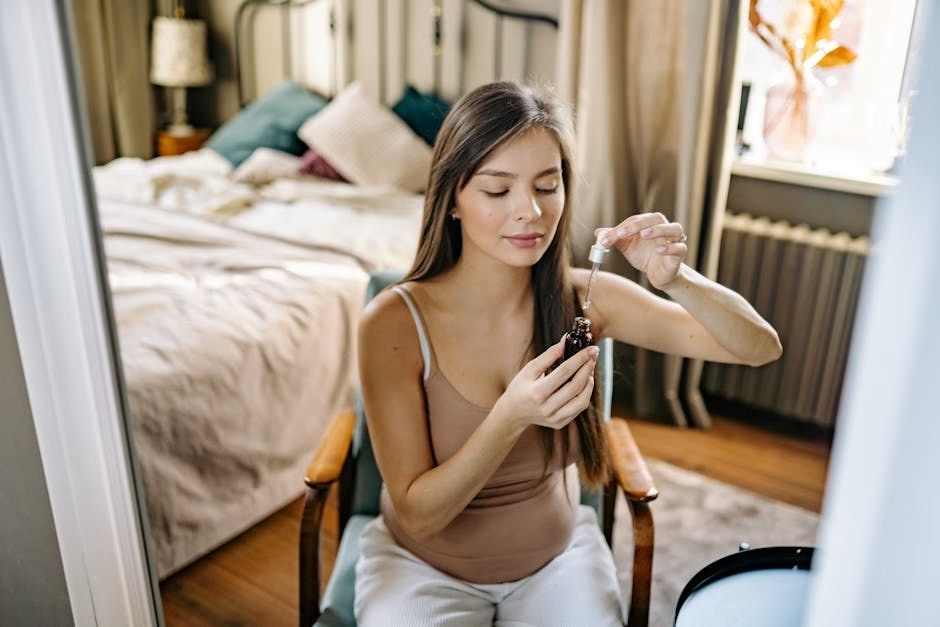
Pregnancy is an exciting journey, but it also comes with a host of changes to your body, including your skin. It’s essential to be mindful of the skincare products you use, as certain ingredients may pose risks to your developing baby. The good news is that there are plenty of pregnancy-safe alternatives available, and tools like the SafeMom app can help you make informed choices.
★★★★★
“SafeMom helped me completely rethink my skincare routine. The ingredient checks gave me confidence in every product I buy.”
Brooke L.
Read more verified SafeMom reviews from expecting moms at SafeMomReviews.com →
Ingredients to Avoid During Pregnancy
When you’re expecting, some skincare ingredients should be off-limits. Here’s a rundown of what to avoid: For more information, see our guide on guide to safe skincare practices. For more information, see our guide on this importance of checking beauty products. For more information, see our guide on ultimate ingredient checklist.
1. Retinoids
Retinoids, derived from Vitamin A, are commonly found in anti-aging products due to their ability to accelerate cell turnover. However, high doses of Vitamin A during pregnancy have been linked to birth defects. It’s best to steer clear of products containing retinoids, retinol, or retinyl palmitate.
Instead, consider alternatives like bakuchiol, which offers similar benefits without the risks.
2. Hydroquinone
While hydroquinone is effective for lightening skin and treating hyperpigmentation, it is easily absorbed by the body. The high absorption rate raises concerns about potential effects on a developing fetus. Opt for safer alternatives like Vitamin C or azelaic acid for brightening your skin during pregnancy.
3. Salicylic Acid (High-Dose)
Salicylic acid is a popular ingredient for treating acne. However, high doses, particularly in oral form, have been associated with complications. While topical use in low concentrations (2% or less) is generally considered safe, it’s wise to consult your healthcare provider before use. Glycolic acid at low concentrations can be a safer alternative.
4. Formaldehyde and Formaldehyde Releasers
Formaldehyde is used in some beauty treatments and nail polishes, but it’s a known carcinogen and can pose risks during pregnancy. Look out for formaldehyde releasers like DMDM hydantoin in product ingredient lists and avoid them.
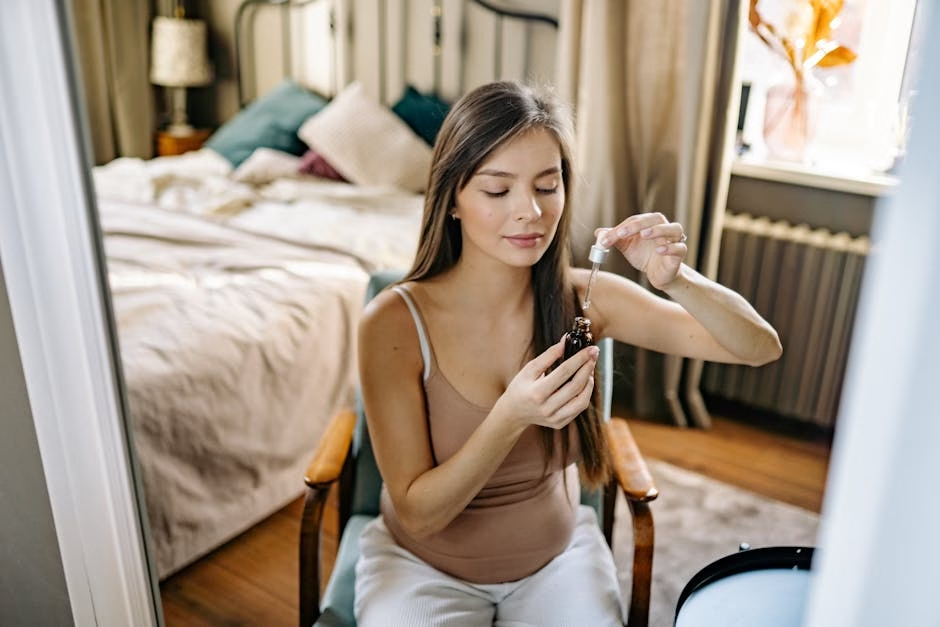
5. Chemical Sunscreens
Chemical sunscreens often contain oxybenzone and avobenzone, which can disrupt hormone levels. Opt for mineral sunscreens containing zinc oxide or titanium dioxide, which are safer for both you and your baby.
Using the SafeMom App for Ingredient Safety
To ensure you’re using pregnancy-safe skincare, the SafeMom app is an invaluable resource. Simply scan product labels with your phone to check for any unsafe ingredients. The app provides peace of mind by ensuring your skincare routine is safe for you and your baby.
Actionable Tips for Pregnant Women
- Always read product labels carefully and research unfamiliar ingredients.
- Consult with your healthcare provider or dermatologist before introducing new products into your routine.
- Use the SafeMom app to check product safety quickly and efficiently.
- Consider switching to gentle, fragrance-free products to minimize irritation.
Frequently Asked Questions
Q: Can I use essential oils in my skincare routine during pregnancy?
A: While some essential oils are safe, others can be harmful during pregnancy. It’s essential to research each oil and consult with your healthcare provider. Oils like lavender and chamomile are generally considered safe, while rosemary and clary sage should be avoided.
Q: Is it safe to use natural remedies for acne during pregnancy?
A: Many natural remedies are safe and effective for treating acne during pregnancy. Options like honey masks, oatmeal scrubs, and diluted apple cider vinegar can help without the risk posed by harsher chemicals. Always perform a patch test to ensure you don’t have a reaction.
Q: How can I manage stretch marks safely during pregnancy?
A: Moisturizing regularly with safe oils like coconut or almond oil can help prevent and reduce stretch marks. Look for creams specifically formulated for pregnancy that avoid harmful ingredients, and use the SafeMom app to verify their safety.