

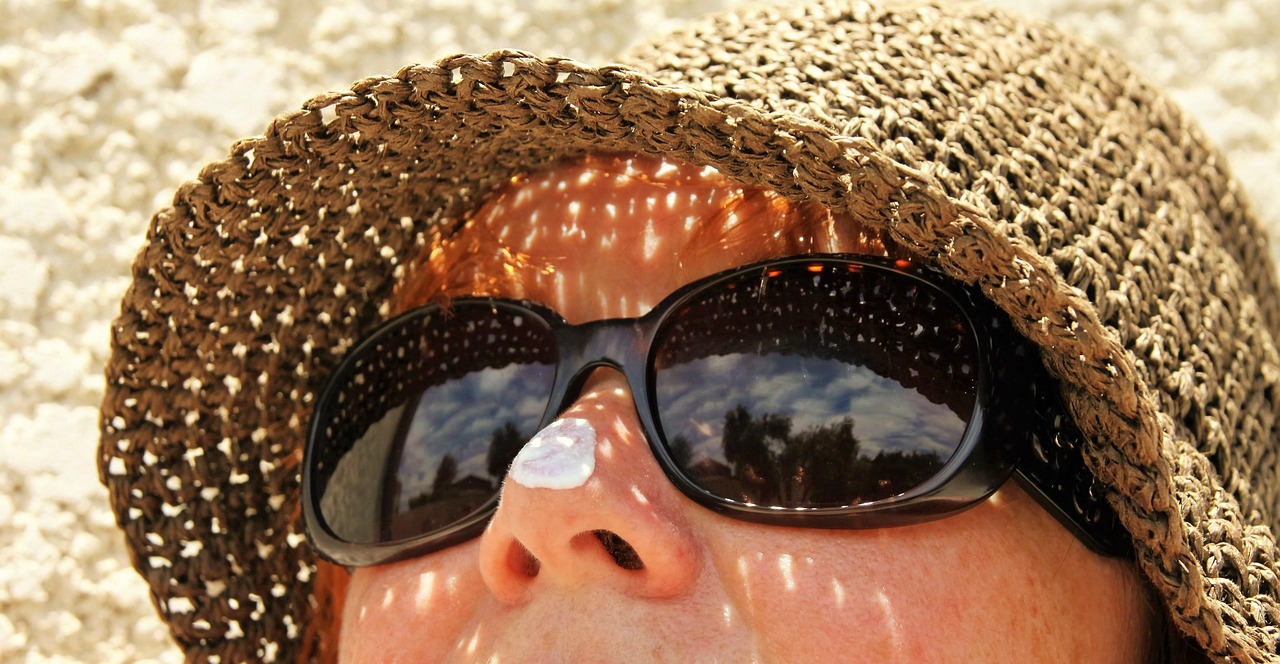
Yes — sunscreen is safe and recommended during pregnancy. In fact it matters more now: pregnancy hormones raise your risk of melasma (“the mask of pregnancy”), and UV exposure is the main trigger. Dermatologists recommend mineral sunscreens with zinc oxide or titanium dioxide, which sit on top of skin with minimal absorption. The simplest safe choice is a broad-spectrum, SPF 30+ mineral formula.
Why sun protection matters more in pregnancy
Rising estrogen and progesterone make your skin more prone to melasma (also called chloasma) — dark, blotchy patches, usually on the face, that are triggered and worsened by UV and visible light and can be stubborn to fade after birth. So skipping sunscreen is the bigger risk. The real question isn’t whether to wear it — it’s which kind. The American Academy of Dermatology recommends a broad-spectrum, water-resistant sunscreen of SPF 30 or higher for everyone, and mineral formulas are the preferred choice in pregnancy.
Mineral vs. chemical sunscreen: the one decision that matters
Sunscreens use two kinds of UV filters, and this is the distinction worth understanding:
| Mineral (physical) | Chemical | |
|---|---|---|
| Active filters | Zinc oxide, titanium dioxide | Oxybenzone, octinoxate, avobenzone, octocrylene, homosalate |
| How it works | Sits on the skin surface, reflects/scatters UV | Absorbed into skin, converts UV to heat |
| Systemic absorption | Minimal; FDA proposed both as GRASE (generally recognized as safe & effective) | Measurable in blood after one application in FDA testing |
| Pregnancy verdict | ✅ Preferred | ⚠️ Caution → ❌ Avoid (depends on the filter) |
Here’s the evidence behind that. In 2019 and 2020, FDA studies found that common chemical filters — oxybenzone, avobenzone, octocrylene, octinoxate and homosalate — are absorbed into the bloodstream after a single day’s use at levels above the threshold (0.5 ng/mL) at which the FDA would normally require further safety data. Oxybenzone was absorbed fastest and at the highest concentration. Separately, in its 2021 proposed order the FDA concluded that zinc oxide and titanium dioxide have enough safety data to be considered GRASE, while the chemical filters need more data to make that determination.
Important context: “absorbed” is not the same as “proven harmful,” and the FDA has not told anyone to stop using chemical sunscreens — unprotected sun exposure is the known risk. SafeMom takes the cautious route for pregnancy: when a safe, effective mineral alternative exists, there’s little reason to choose a filter with open safety questions. Oxybenzone gets our strongest “avoid” because it also acts as an endocrine disruptor and can cross the placenta.
Sunscreen ingredient verdicts for pregnancy
Tap any ingredient for the full breakdown.
| Ingredient | Type | Verdict | Why |
|---|---|---|---|
| Zinc Oxide | Mineral | ✅ Safe | Preferred active; minimal absorption, broad-spectrum, FDA-proposed GRASE |
| Titanium Dioxide | Mineral | ✅ Safe | Preferred active alongside zinc oxide; FDA-proposed GRASE |
| Avobenzone | Chemical | ⚠️ Caution | Absorbed above the FDA testing threshold; switch to mineral if you can |
| Octocrylene | Chemical | ⚠️ Caution | Absorbed systemically; can degrade to benzophenone over time/heat |
| Oxybenzone | Chemical | ❌ Avoid | Endocrine disruptor; crosses the placenta; highest absorption in FDA testing |
| Octinoxate | Chemical | ❌ Avoid | Estrogenic endocrine-disruptor signals; absorbed systemically |
What if I already used a chemical sunscreen?
Don’t panic. The safety questions are about routine, long-term use of certain filters — not a few applications. There’s no evidence that occasional use of a chemical sunscreen harms a pregnancy, and protecting your skin from the sun was the right instinct. Just switch to a mineral formula going forward, and mention it to your provider at your next visit if you’d like reassurance.
How to choose a pregnancy-safe sunscreen (read any label in 10 seconds)
- Flip to the “Active Ingredients” panel on the back.
- Look for zinc oxide and/or titanium dioxide as the only active(s). Labels that say “mineral,” “100% mineral,” or “physical” are a shortcut.
- Avoid oxybenzone and octinoxate first; minimize other chemical filters.
- Prefer fragrance-free to reduce irritation on pregnancy-sensitive skin.
- Choose broad-spectrum, SPF 30+, and water-resistant for time outdoors. A tinted mineral sunscreen adds visible-light protection, which is extra helpful against melasma.
Not sure about a product you already own? Scan it with the SafeMom app for an instant pregnancy verdict on every ingredient.
Are popular sunscreen brands pregnancy-safe?
It depends on the specific product, not the brand. Most major brands — Neutrogena, CeraVe, La Roche-Posay, Blue Lizard, Banana Boat and others — sell both mineral and chemical sunscreens, and they reformulate over time. So instead of trusting a brand name, check the active-ingredients panel of the exact product:
- If the only actives are zinc oxide and/or titanium dioxide → it’s a mineral sunscreen and a pregnancy-safe choice.
- If you see oxybenzone, octinoxate, avobenzone, octocrylene or homosalate → it’s a chemical sunscreen; prefer a mineral option, and avoid oxybenzone in particular.
For example, several brands label a “mineral,” “sensitive mineral,” or “baby mineral” line built on zinc oxide and/or titanium dioxide — those qualify. The same brand’s everyday lotions are often chemical-filter based. Scanning the product is the only reliable way to know what’s in the bottle in front of you.
Check your sunscreen in seconds
SafeMom scans any product’s ingredients and tells you instantly whether it’s pregnancy-safe — sunscreen, skincare, food and more. Get SafeMom →
Frequently asked questions
Is sunscreen safe during pregnancy? Yes, and dermatologists recommend it. Choose a broad-spectrum mineral sunscreen with zinc oxide or titanium dioxide.
Is chemical sunscreen safe during pregnancy? Chemical filters are absorbed into the bloodstream and several still need more safety data, so SafeMom recommends caution. Avoid oxybenzone and octinoxate; a mineral sunscreen is the safer default.
Is zinc oxide sunscreen safe during pregnancy? Yes — zinc oxide is the preferred pregnancy-safe active. It sits on the skin with minimal absorption and the FDA has proposed it as GRASE.
Is Neutrogena sunscreen safe during pregnancy? It depends on the specific product. Neutrogena sells both mineral and chemical sunscreens — check the active ingredients. Their mineral options (zinc oxide / titanium dioxide) are pregnancy-safe choices; products with oxybenzone or avobenzone are better swapped for a mineral one.
Can I use spray sunscreen while pregnant? Sprays are fine to use, but apply them in a well-ventilated area and avoid inhaling the mist — spray onto your hands and then to your face. A mineral lotion gives you more control over coverage.
Sources
- Matta MK, et al. Effect of Sunscreen Application on Plasma Concentration of Sunscreen Active Ingredients. JAMA, 2019. jamanetwork.com
- U.S. Food & Drug Administration. Questions and Answers: OTC Sunscreen Proposed Order (zinc oxide & titanium dioxide GRASE). fda.gov
- American Academy of Dermatology. Sunscreen FAQs (broad-spectrum, SPF 30+, mineral filters). aad.org

Pingback: Summer Pregnancy Skincare: Safe Routine for 2026