

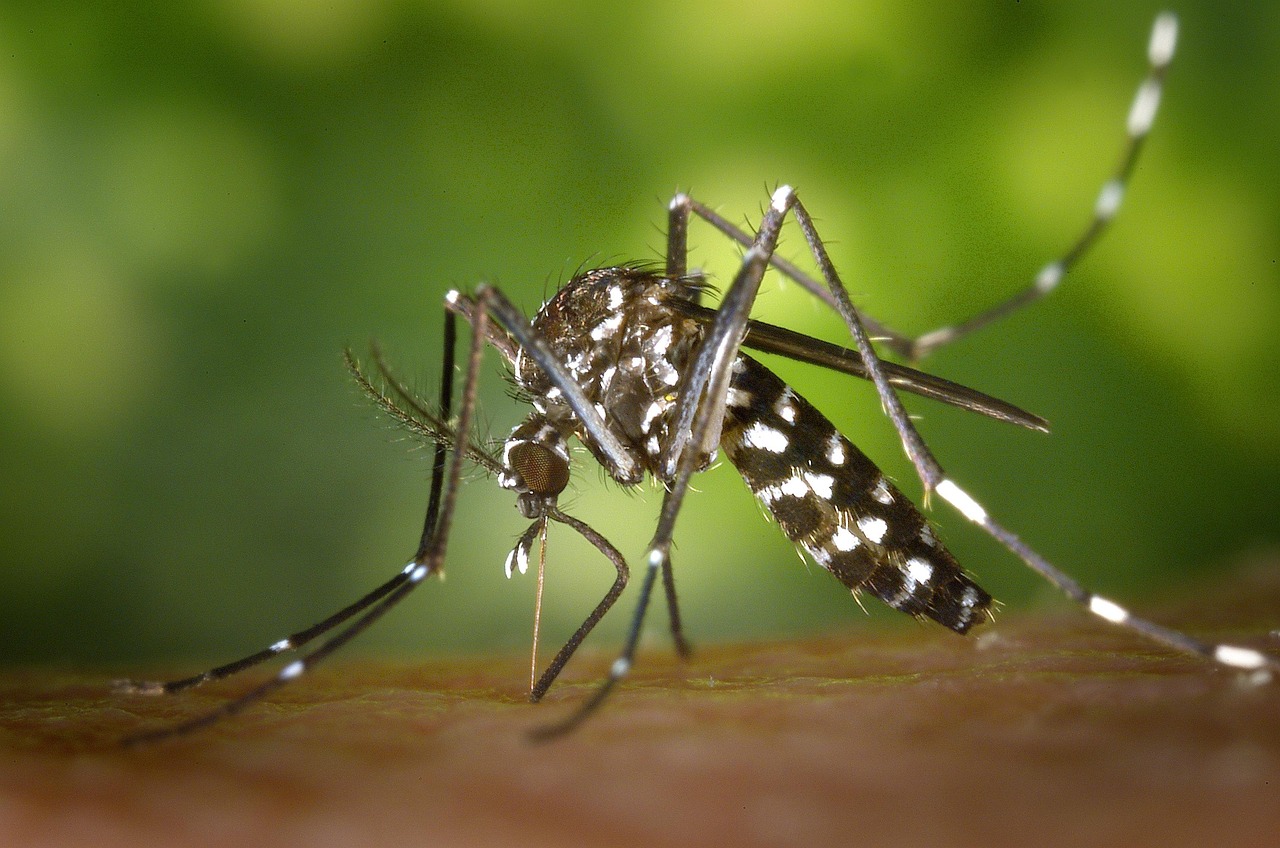
Mosquito and tick bites are more than an annoyance during pregnancy — they’re a health concern. Zika virus, West Nile, and Lyme disease can cause serious complications, and some areas of the U.S. are seeing higher case counts than they did a decade ago. The question every expecting mom asks: is DEET actually safe to use, and what are the alternatives?
Here’s what the CDC, ACOG, and EPA actually say about pregnancy-safe insect repellents, ranked by what works.
Why Bug Protection Matters More During Pregnancy
Several mosquito- and tick-borne illnesses pose specific risks to developing babies:
- Zika virus can cause microcephaly and other severe birth defects.
- West Nile virus can cross the placenta and, in rare cases, cause neurological issues in the baby.
- Lyme disease is treatable, but untreated maternal Lyme has been associated with miscarriage and stillbirth.
- Even routine mosquito bites itch more during pregnancy and are more likely to get infected from scratching, because pregnancy mildly suppresses immune response.
The CDC’s straightforward guidance: pregnant women should use an EPA-registered insect repellent whenever exposure is possible. Skipping repellent is not the safer choice.
Is DEET Safe During Pregnancy?
Yes — with caveats. DEET (N,N-Diethyl-meta-toluamide) is the most-studied insect repellent in the world. Both the CDC and ACOG list it as safe during pregnancy and breastfeeding when used as directed.
Key guidelines:
- Concentration matters less than you think. DEET concentrations of 10–30% are effective. Higher percentages last longer but aren’t more protective — just longer-lasting. ACOG suggests staying at or under 30% during pregnancy.
- Apply to clothing and exposed skin, not under clothing.
- Wash it off when you come indoors.
- Don’t apply to broken skin or near eyes/mouth.
- Use sparingly on hands to avoid transfer to food.
Decades of pregnancy outcome data have not found a link between DEET use and birth defects, miscarriage, or developmental issues. It remains the gold standard for high-risk environments like Zika-affected travel.
Pregnancy-Safe Alternatives to DEET
If you’d rather avoid DEET, three EPA-registered active ingredients offer comparable protection:
1. Picaridin (20%)
Picaridin protects as effectively as DEET against mosquitoes for 6–8 hours and is the alternative most often recommended by OB-GYNs. It doesn’t have DEET’s plastic-dissolving issue (DEET can damage synthetic clothing and watch faces) and has a much lighter scent. Brands: Sawyer Premium, Natrapel.
2. IR3535 (20%)
Used widely in Europe for decades. Effective against mosquitoes and ticks. Less protection time than picaridin but a strong safety record. Brands: Avon Skin So Soft Bug Guard Plus (the IR3535 version), Coleman SkinSmart.
3. Oil of Lemon Eucalyptus (30%) or PMD
Plant-derived, EPA-registered. The CDC notes that while it’s effective for adults, it is not recommended for children under 3. There’s no specific pregnancy contraindication, but consult your provider first because data is more limited than for DEET or picaridin. Important: this is not the same as pure lemon eucalyptus essential oil, which is not pregnancy-safe.
What About “Natural” Repellents?
Citronella candles, essential oil sprays, ultrasonic devices, and clip-on fans have very limited evidence behind them. The CDC does not recommend them for protection in areas with mosquito-borne disease.
Many essential oils marketed as repellents (citronella, peppermint, lavender, eucalyptus) are not pregnancy-safe at therapeutic concentrations — see our guide to safe essential oils during pregnancy. They may also irritate skin that’s more sensitive during pregnancy.
Bottom line: natural repellents may be fine in your own backyard with light mosquito pressure, but they shouldn’t replace EPA-registered repellents when you’re outdoors for long periods, in wooded areas, or traveling somewhere with active disease transmission.
How to Apply Insect Repellent Safely
- Apply sunscreen first, wait until it absorbs (about 15 minutes), then apply repellent. Skip combination products — sunscreen needs reapplication more often than repellent.
- Spray onto your hands first, then rub onto face. Never spray directly at the face.
- Apply to exposed skin only — not under clothing.
- Reapply only as directed by the label.
- Wash hands before eating, drinking, or touching food prep surfaces.
- Wash treated skin and clothing when you come indoors.
Permethrin for Clothing (Not Skin)
Permethrin is a separate product applied to clothing, shoes, and gear — not skin. The CDC considers it safe for pregnant women and especially recommends it for hikers, gardeners, and travelers to tick country. One treatment lasts through several washes. Pre-treated clothing (Insect Shield, ExOfficio BugsAway) lasts up to 70 washes.
Frequently Asked Questions
Should I avoid travel to mosquito-borne disease areas while pregnant?
The CDC recommends pregnant women avoid travel to areas with active Zika transmission. For West Nile and dengue zones, talk to your OB-GYN about whether the trip can wait. If you do go, EPA-registered repellents are essential.
Can I use the same repellent on my older kids?
Mostly yes. DEET up to 30%, picaridin, and IR3535 are all safe for kids over 2 months. Oil of lemon eucalyptus is the exception — not recommended under age 3.
What about insect repellent in the third trimester specifically?
No special precautions beyond the general guidelines. The third trimester does not change the safety profile of EPA-registered repellents.
Are there bug bites I should call my doctor about?
Yes — call if you develop a fever, rash, fatigue, or a bullseye-shaped mark within a few weeks of a bite, especially after travel or exposure to wooded areas.
The Bottom Line
Skipping insect repellent is riskier than using it. EPA-registered DEET (up to 30%), picaridin, and IR3535 are all considered safe during pregnancy when used as directed. Picaridin tends to be the favorite among OB-GYNs because of its protection-to-tolerability ratio. For higher-risk environments — travel, hiking, prolonged outdoor exposure — pair an effective skin repellent with permethrin-treated clothing for the strongest protection.
This article is for informational purposes and does not replace medical advice. Always consult your OB-GYN about insect repellent use, especially before travel during pregnancy.