
Is Laser Hair Removal Safe During Pregnancy?
Answer
Laser hair removal during pregnancy is not recommended, primarily because pregnancy-specific safety studies don't exist. Skin sensitivity also changes during pregnancy, increasing irritation risk. Consider waxing, threading, or pausing laser treatment until after delivery.
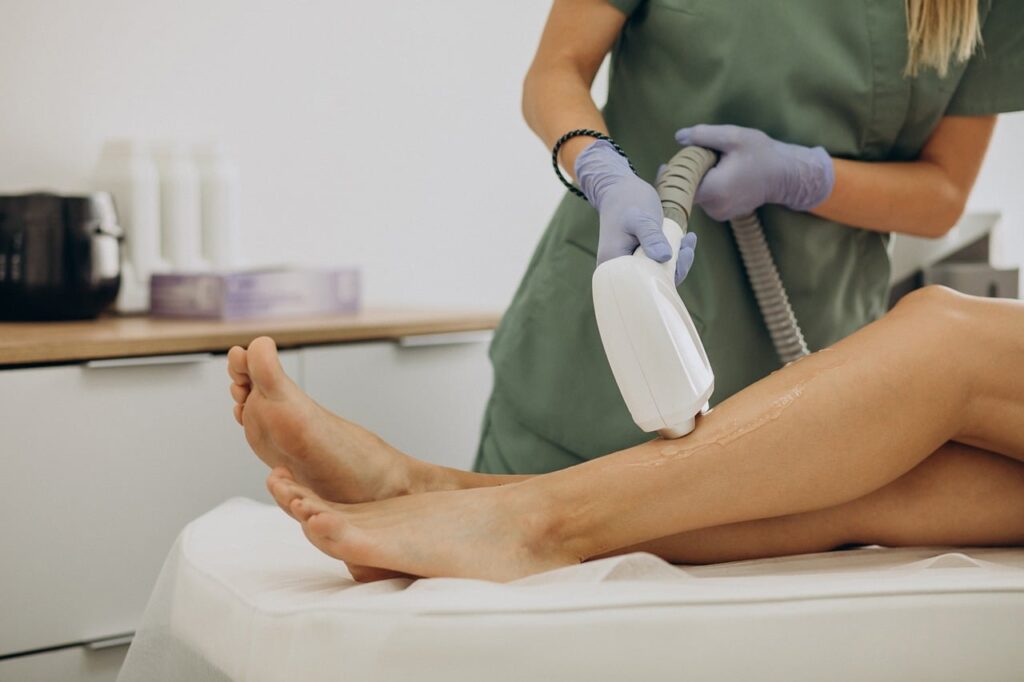
“Is laser hair removal safe during pregnancy?” gets a quick “no” from almost every reputable provider — but the reasoning isn’t what most people assume. There’s no documented evidence of harm to the baby from laser hair removal. The “no” is driven by lack of pregnancy safety studies, increased skin pigmentation that changes how the laser interacts with skin, and basic risk management on the provider’s side. Here is the realistic picture, plus the alternatives that actually work during pregnancy.
What the research actually shows (and doesn’t show)
There are no published studies showing harm to a developing baby from maternal laser hair removal. There are also no published studies showing it’s safe — providers can’t ethically run a “laser this pregnant woman, see what happens” trial. Without an evidence base, the conservative position is “wait.”
The mechanism for any potential concern would be: the laser targets melanin (pigment) in the hair follicle. The energy is absorbed locally and dissipated as heat. It doesn’t penetrate to systemic tissue, which makes a “the energy reached the baby” concern implausible. The actual practical concerns are:
- Pregnancy increases skin pigmentation (melasma, areola darkening, linea nigra). More pigment means the laser is absorbed in more places than just the hair — increasing burn and post-inflammatory pigmentation risk.
- Hair growth patterns change. Pregnancy hormones produce thicker, faster-growing hair, often in new locations (chin, neck, belly). Treating this hair now may not have lasting results once hormones normalize postpartum.
- Pain tolerance is lower in pregnancy. Laser hurts. Numbing creams are off-limits or restricted.
- Provider liability. Even with no evidence of harm, providers face liability risk and standardly decline pregnant patients.
If you started laser before pregnancy
If you were mid-treatment series when you got pregnant, you should pause and resume after delivery (and after the postpartum hormone-driven hair changes settle, around 6 months postpartum). Your provider will likely repeat any partially-treated areas as if starting over because the months-long pause resets the hair cycle the laser was targeting.
Pregnancy-safe hair removal alternatives
- Shaving — fully safe, can do until delivery, no concerns. The “shaved hair grows back thicker” thing is a myth — it grows back the same.
- Waxing — generally safe; pregnancy skin is more sensitive, so the procedure may hurt more. Pregnancy skin also bruises easier. Skip if you have skin tags or varicose veins in the area.
- Sugaring — gentler than waxing; same caveats.
- Threading — fine for facial hair; no chemical exposure.
- Depilatory creams (Nair, Veet) — limited pregnancy data. The chemical concerns are minor (calcium thioglycolate is the typical active), but skin absorption is real and reactions are more common in pregnancy. Most providers say “spot-test, use briefly, avoid sensitive areas.” Many people skip in the first trimester out of caution.
- Electrolysis — uses a fine needle to destroy individual follicles. The pregnancy safety concern is unclear; some practitioners do treat pregnant patients, others won’t. Discuss with your OB.
- Just letting it grow — pregnancy hair changes reverse postpartum. Choosing not to manage some areas during pregnancy is a valid choice.
What about at-home laser/IPL devices?
Same answer as professional laser: not enough pregnancy safety data, increased pigmentation changes how the device interacts with skin, manufacturers explicitly warn against pregnancy use. Pause your Tria or Braun device for the duration.
When to restart postpartum
Most providers recommend waiting until at least 3-6 months postpartum, ideally after weaning if you’re breastfeeding (some providers will treat while breastfeeding, others won’t). The reason to wait isn’t safety per se — it’s that postpartum hair shedding (which peaks around 4 months postpartum) and ongoing hormonal shifts make the results unpredictable until things stabilize. Treating too early often means redoing the work in another 6 months.
Not sure if a product is pregnancy-safe? SafeMom’s pregnancy scanner reads the label and flags concerning ingredients in seconds. Get the app →
This article is informational and not medical advice. Always talk to your OB-GYN before changing medications, treatments, or supplements during pregnancy.