
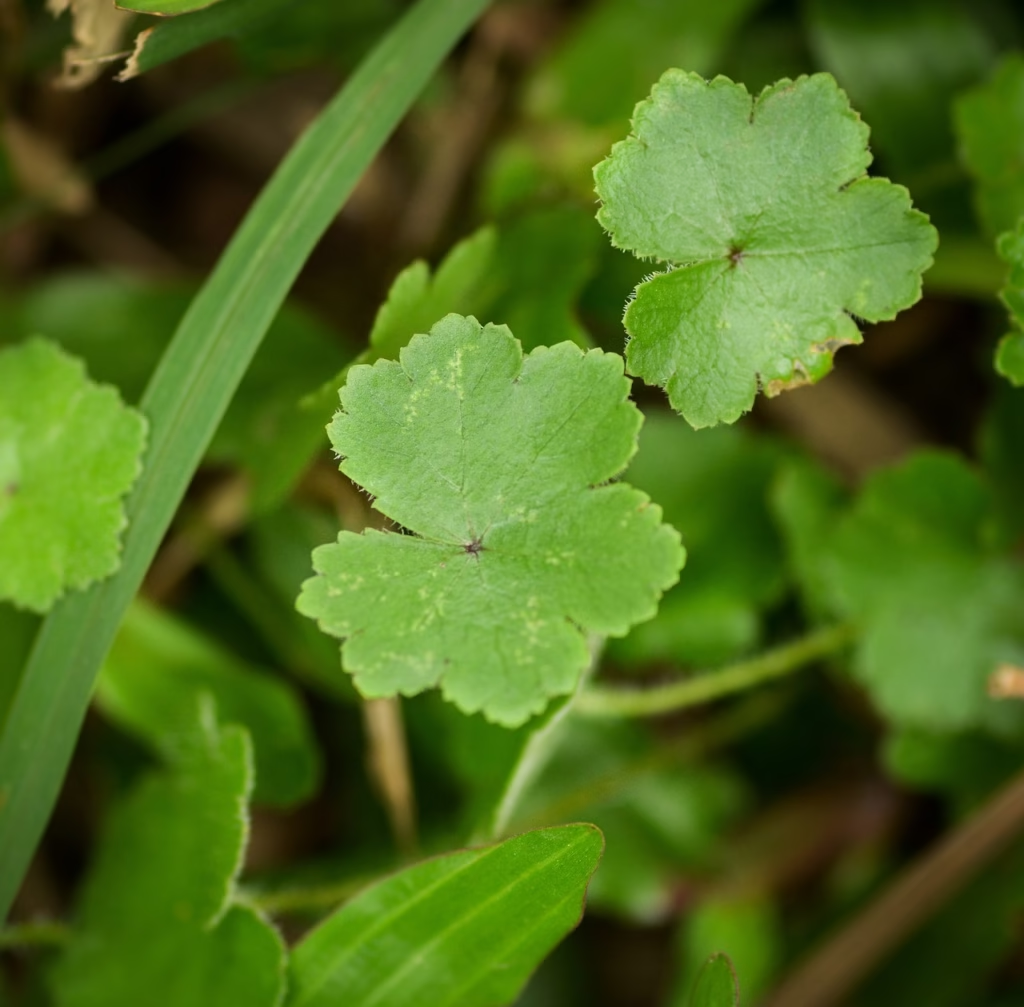
Centella Asiatica
Quick answer
Good news, mamas! Centella Asiatica, also known as cica or tiger grass, is generally considered safe for topical use during pregnancy. This calming botanical is a lovely choice for soothing your skin throughout your pregnancy journey. Remember, SafeMom provides information, not medical advice.
INCI name
Centella Asiatica
Also known as
cica, gotu kola, tiger grass
What is Centella Asiatica?
Centella Asiatica is a soothing botanical widely considered safe for topical use during pregnancy, perfect for sensitive skin needs.
What is Centella Asiatica?
Centella Asiatica, often affectionately called cica, gotu kola, or tiger grass, is a beloved botanical ingredient with a rich history in traditional medicine and modern skincare. Hailing from Asia, this leafy green herb is celebrated for its incredible soothing and skin-supporting properties. You’ll find it popping up in everything from serums and moisturizers to masks, especially those designed for sensitive or compromised skin.
Cica is packed with beneficial compounds like triterpenoids, which are thought to help calm the skin and support its natural barrier. It’s a superstar for bringing a sense of peace to irritated complexions and helping skin feel more resilient. Think of it as a gentle hug for your skin!
Why pregnant women ask about it
Pregnancy brings a whirlwind of changes, and your skin is definitely along for the ride! Many mamas-to-be experience increased skin sensitivity, dryness, or even new breakouts. With a growing bump and changing hormones, finding skincare that feels both effective and reassuringly gentle becomes a top priority. When you’re looking for ingredients to calm and nourish your skin, Centella Asiatica often comes up as a popular choice due to its reputation for being mild and restorative.
Naturally, when considering any new ingredient during pregnancy, a mama’s radar goes up! You want to be sure that what you’re putting on your skin is a kind choice for both you and your little one. Given cica’s widespread use and botanical origin, it’s common to wonder if this soothing hero is a safe addition to your pregnancy skincare routine.
What research and expert consensus say
Good news, mamas! When it comes to topical skincare, Centella Asiatica is generally considered safe for use during pregnancy. Its long history of use in traditional practices and its gentle, calming nature in modern skincare formulations contribute to this consensus. It’s often included in products formulated for sensitive skin and those aimed at supporting skin recovery, without any significant concerns for topical use during pregnancy.
The rationale behind its ‘Generally Safe’ verdict for topical application is rooted in its botanical origin and the way it interacts with the skin. Centella Asiatica works on the surface to soothe and support the skin’s barrier, and it’s not known to be absorbed in ways that would raise concerns for pregnancy when used externally. It’s a gentle botanical that focuses on helping your skin feel calm and happy.
It’s important to differentiate between topical application and oral consumption. While we’re focusing on skincare here, any oral supplements containing Centella Asiatica would be a completely different consideration and should always be discussed with your healthcare provider before use during pregnancy.
How to use it safely during pregnancy
If you’re looking to incorporate Centella Asiatica into your pregnancy skincare routine, you can generally do so with confidence for topical products. As with any new product, especially when your skin might be more sensitive, it’s always a good idea to do a patch test first. Apply a small amount to an inconspicuous area, like behind your ear or on your inner arm, and wait 24-48 hours to check for any reaction.
Look for products where Centella Asiatica is a key ingredient, often listed as Centella Asiatica extract or Madecassoside (one of its active compounds). Always check the full ingredient list of any product you choose to ensure there are no other ingredients you might want to avoid or use with caution during pregnancy.
How SafeMom can help
Navigating skincare ingredients during pregnancy can feel like a puzzle, but SafeMom is here to help make it simple and reassuring! While Centella Asiatica is generally safe, knowing what else is in your specific serum or moisturizer is key. Simply scan any product in the SafeMom app for a complete, personalized pregnancy-safety check and feel confident in your choices.
FAQ: Is Centella Asiatica safe to use throughout all trimesters?
Yes, topical use of Centella Asiatica is generally considered safe across all trimesters of pregnancy. Its gentle and soothing properties make it a lovely choice for your skin at any stage.
FAQ: Can Centella Asiatica help with stretch marks during pregnancy?
While Centella Asiatica is celebrated for its skin-soothing and reparative qualities, specific evidence for its role in preventing or treating stretch marks during pregnancy is limited. It’s a wonderful ingredient for overall skin health and hydration, which can support skin elasticity.
FAQ: Are Centella Asiatica oral supplements safe during pregnancy?
Our focus is on topical skincare. Oral supplements containing Centella Asiatica are a different consideration and should always be discussed with your healthcare provider before use during pregnancy.
FAQ: How do I know if my Centella Asiatica product is suitable for pregnancy?
Always check the full ingredient list of your specific product. While cica itself is generally safe, other ingredients in the formulation might be a concern. The SafeMom app can help you scan and understand the complete pregnancy safety profile of your products.
SafeMom content is informational only and is not a substitute for medical advice. Always consult your healthcare provider before changing your routine during pregnancy. Scan any specific product in the SafeMom app for a complete pregnancy-safety check.
Related SafeMom Ingredient Guides
Trimester-specific note
Centella Asiatica is generally considered safe for topical use throughout all trimesters of pregnancy, so there are no specific trimester-related concerns.
When to talk to your OB
If you used a product containing Centella Asiatica before learning you were pregnant, mention it at your next prenatal visit — but most topical cosmetic exposures are not a cause for panic. For prescription exposures or specific concerns, contact your OB or midwife directly.