
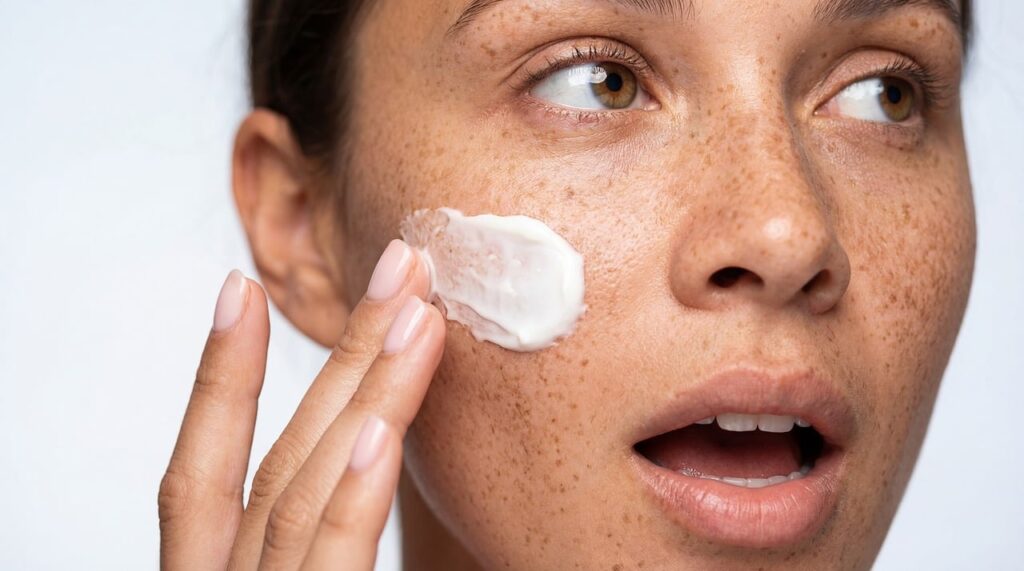
Is Retinoids Safe During Pregnancy?
Quick answer
When you're expecting, it's best to avoid retinoids, including common forms like tretinoin and adapalene. These ingredients are generally recommended to be avoided during pregnancy due to concerns about potential effects, even in topical forms. Always check your products with the SafeMom app for personalized guidance.
INCI name
Retinoids
Also known as
tretinoin, adapalene, tazarotene, isotretinoin
What is Is Retinoids Safe During Pregnancy??
When you’re expecting, it’s best to avoid retinoids, including common forms like tretinoin and adapalene. These ingredients are generally recommended to be avoided during pregnancy due to concerns about potential effects, even in topical forms. Always check your products with the SafeMom app for personalized guidance.
Last updated: 2026-08-26 · Medically reviewed by SafeMom Editorial Team
Why is Retinoids a concern during pregnancy?
Retinoids are a concern during pregnancy because, particularly in their prescription forms and at systemic levels, they have been linked to potential developmental effects. While topical absorption is generally low, standard medical guidance recommends avoiding these ingredients as a precautionary measure during this special time. It’s all about playing it safe for you and your little one.
These powerful ingredients, which include forms like tretinoin, adapalene, and tazarotene, are well-known for their efficacy in addressing various skin concerns, from acne to anti-aging. However, when you’re expecting, the focus shifts to ensuring every ingredient you use is thoughtfully considered.
What does the research say?
Research indicates that high systemic levels of retinoids, especially oral isotretinoin, are known to be teratogenic, leading to a general recommendation to avoid all retinoids during pregnancy as a precaution. Oral isotretinoin (commonly known as Accutane) has a well-documented risk of causing severe birth defects and is strictly contraindicated during pregnancy, requiring rigorous pregnancy prevention programs for its use (FDA).
For topical retinoids, the story is a bit different. Absorption through the skin is generally minimal, but because of the known risks associated with their oral counterparts, medical professionals and organizations like the American College of Obstetricians and Gynecologists (ACOG) advise against their use during pregnancy (ACOG). This is a classic example of the “better safe than sorry” principle in pregnancy care, ensuring peace of mind for expectant parents.
While some studies have suggested a very low risk with topical retinoids, the overarching consensus remains cautious. Given that there are effective alternatives available, most experts lean towards avoiding retinoids entirely during pregnancy to eliminate any potential, even if small, concern.
What are safe alternatives?
Many wonderful alternatives can help you achieve similar skincare goals during pregnancy without the concerns associated with retinoids. You don’t have to put your skincare routine on hold; it’s all about making smart swaps!
Common alternatives that pregnant people often explore include ingredients like bakuchiol, which is sometimes called a “retinol alternative” for its similar skin benefits, azelaic acid for addressing breakouts and redness, and vitamin C for brightening and antioxidant support. These ingredients can be fantastic additions to your routine.
Remember, every ingredient is unique, and what works beautifully for one person might be different for another. To understand the specific pregnancy verdict for any alternative ingredient or product you’re considering, always check it in the SafeMom app!
Is Retinoids safe while breastfeeding?
While data on topical retinoid use during breastfeeding is limited, many healthcare providers still recommend caution or avoidance as a precautionary measure. The concern is primarily theoretical, focusing on the potential for minimal absorption into the mother’s bloodstream and subsequent transfer into breast milk.
Given the lack of extensive research specifically on topical retinoids and breastfeeding, the general advice often leans towards avoiding them to minimize any potential, albeit small, risk to the nursing infant. If you’re considering using a retinoid product while breastfeeding, it’s always best to have a chat with your healthcare provider to weigh the benefits and potential concerns for your individual situation.
How SafeMom Can Help
Navigating skincare ingredients during pregnancy can feel like a puzzle, but SafeMom is here to make it easy and stress-free! Our app lets you quickly scan your products to get clear, reassuring guidance on whether they’re suitable for your pregnancy journey. We’re your trusted companion for a beautiful, worry-free glow.
SafeMom content is informational only and is not a substitute for medical advice. Always consult your healthcare provider before changing your routine during pregnancy. Scan any specific product in the SafeMom app for a complete pregnancy-safety check.
Frequently Asked Questions
Can I use topical retinoids like tretinoin or adapalene during pregnancy?
It is generally recommended to avoid topical retinoids, such as tretinoin and adapalene, throughout pregnancy. While systemic absorption from topical use is often low, the potential risks associated with retinoids lead healthcare providers to advise caution.
What about oral retinoids like isotretinoin (Accutane)? Are they safe?
Oral retinoids, including isotretinoin, are absolutely contraindicated and must be avoided during pregnancy. They are known to cause severe birth defects and require strict precautions to prevent pregnancy during their use.
I accidentally used a product with retinoids before I knew I was pregnant. What should I do?
If you’ve used a product containing retinoids before realizing you were pregnant, the most important step is to stop using it immediately. Please discuss this with your healthcare provider, who can offer personalized guidance and reassurance.
How can I check if my skincare products contain retinoids?
To check if your skincare products contain retinoids, carefully review the ingredient list for terms like tretinoin, adapalene, tazarotene, isotretinoin, or “retinoid.” For an easy check, you can always scan your product with the SafeMom app for a quick safety verdict.
Related SafeMom Ingredient Guides
- Retinol — pregnancy safety guide
- Hydroquinone — pregnancy safety guide
- Adapalene — pregnancy safety guide
- Oxybenzone — pregnancy safety guide
- Minoxidil — pregnancy safety guide
Trimester-specific note
The recommendation to avoid retinoids applies throughout all trimesters of pregnancy, as potential concerns are not limited to a specific period.
When to talk to your OB
If you used a product containing Is Retinoids Safe During Pregnancy? before learning you were pregnant, mention it at your next prenatal visit — but most topical cosmetic exposures are not a cause for panic. For prescription exposures or specific concerns, contact your OB or midwife directly.