
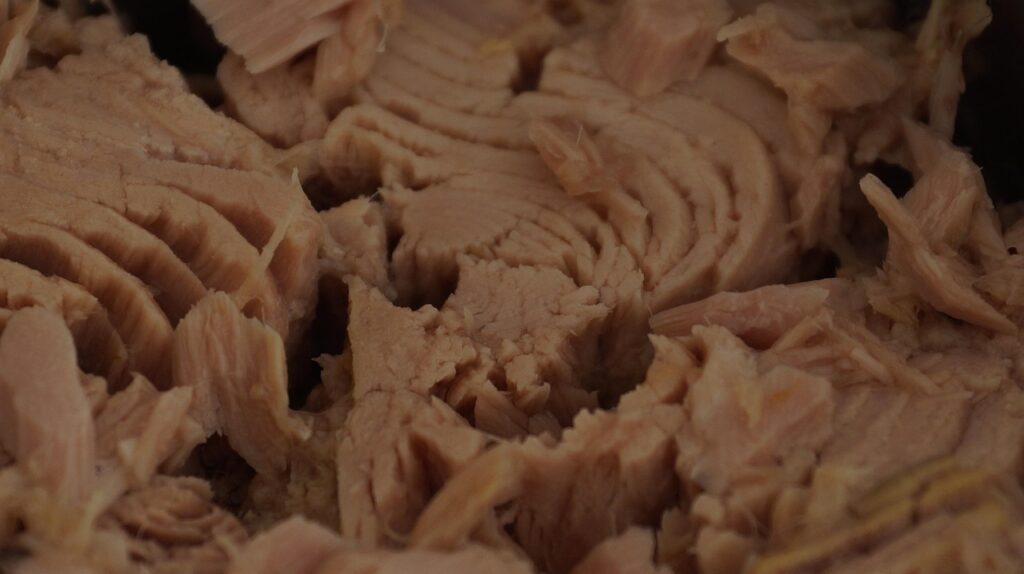
Canned Tuna
Quick answer
When it comes to canned tuna during pregnancy, we mark it as 'caution'. Enjoying light canned tuna in moderation (2-3 servings a week) is generally fine, but it's wise to limit albacore tuna to just one serving per week due to its higher mercury content. Remember, this is for informational purposes, not medical advice!
INCI name
Canned Tuna
Also known as
tuna fish, albacore tuna
What is Canned Tuna?
Enjoying light canned tuna in moderation (2-3 servings a week) is generally fine, but it’s wise to limit albacore tuna to just one serving per week due to its higher mercury content.
What is Canned Tuna?
Canned tuna, often simply called “tuna fish” or “albacore tuna,” is a beloved pantry staple around the world. It’s made from various species of tuna, including skipjack, yellowfin, and albacore, which are cooked, flaked, and preserved in oil or water within sealed cans. Its convenience, versatility, and long shelf life make it a popular choice for quick meals like sandwiches, salads, and casseroles.
You’ll typically find two main types of canned tuna at the grocery store: “light” tuna, which usually comes from smaller species like skipjack or yellowfin, and “white” or “albacore” tuna, which is made exclusively from the albacore species. These different types have distinct flavors and textures, and, as we’ll explore, varying nutritional profiles and mercury levels.
Why pregnant women ask about it
It’s completely natural for expectant moms to wonder about the safety of their favorite foods, and canned tuna is definitely on that list! Many pregnant women love tuna for its convenience, affordability, and as a great source of lean protein and beneficial omega-3 fatty acids. However, with so much information circulating about fish and mercury, it’s easy to feel a little unsure about how much is too much, or even if it’s okay at all.
The good news is that you don’t necessarily have to give up your tuna salad cravings entirely! The key is understanding the nuances, which is exactly what SafeMom is here to help you with. It’s all about making informed choices to nourish both you and your growing little one.
What research and expert consensus say
The primary consideration when it comes to canned tuna during pregnancy is its mercury content. Mercury is a naturally occurring element that, in its organic form (methylmercury), can accumulate in fish. When consumed in large amounts, methylmercury can potentially impact a baby’s developing nervous system. However, not all tuna is created equal when it comes to mercury levels.
Expert consensus generally advises a cautious approach, distinguishing between different types of canned tuna. Light canned tuna, typically made from smaller skipjack or yellowfin tuna, tends to have lower mercury levels. This makes it a more flexible option for pregnant individuals. On the other hand, albacore (white) tuna comes from a larger species and typically contains higher levels of mercury, meaning it requires stricter moderation.
Based on current guidelines, enjoying light canned tuna in moderation (around 2-3 servings per week) is generally considered acceptable. For albacore tuna, it’s recommended to limit consumption to about 1 serving per week. This approach allows you to benefit from the protein and omega-3s in tuna while managing mercury intake. Remember, a varied diet that includes other low-mercury fish is always a wonderful strategy!
Safer alternatives to use instead
If you’re looking to enjoy delicious, pregnancy-friendly seafood without worrying about mercury limits, there are plenty of fantastic alternatives! Many fish are rich in omega-3 fatty acids, which are incredibly beneficial for your baby’s brain and eye development, and have very low mercury levels.
Consider options like salmon, which is packed with omega-3s and vitamin D. Sardines are another powerhouse, small in size but mighty in nutrients, and very low in mercury. Cod and shrimp are also excellent, versatile choices that can be enjoyed regularly. Exploring these other seafood options can add wonderful variety and nutrition to your pregnancy diet.
How SafeMom can help
Feeling a little overwhelmed by all the food guidelines? The SafeMom app is here to help! When you’re eyeing a specific product, simply scan it in the app for a quick and clear pregnancy-safety check. We break down the details so you can make confident choices for you and your little one.
FAQ
What’s the main concern with canned tuna during pregnancy?
The primary concern with canned tuna during pregnancy is its potential mercury content. High levels of mercury can be harmful to a baby’s developing nervous system, so moderation is key.
Is all canned tuna the same regarding mercury levels?
No, not all canned tuna has the same mercury levels. Light canned tuna (often skipjack or yellowfin) generally has lower mercury, while albacore (white) tuna typically contains higher amounts.
How much light canned tuna can I have each week during pregnancy?
For light canned tuna, which has lower mercury, it’s generally considered acceptable to enjoy 2-3 servings per week.
How much albacore tuna can I have each week during pregnancy?
Due to its higher mercury content, it’s recommended to limit albacore tuna to no more than 1 serving per week during pregnancy.
SafeMom content is informational only and is not a substitute for medical advice. Always consult your healthcare provider before changing your routine during pregnancy. Scan any specific product in the SafeMom app for a complete pregnancy-safety check.
Related SafeMom Ingredient Guides
Trimester-specific note
The recommendation to limit mercury intake from tuna applies throughout all trimesters of pregnancy, as mercury can accumulate over time and impact development at any stage.
When to talk to your OB
If you used a product containing Canned Tuna before learning you were pregnant, mention it at your next prenatal visit — but most topical cosmetic exposures are not a cause for panic. For prescription exposures or specific concerns, contact your OB or midwife directly.