
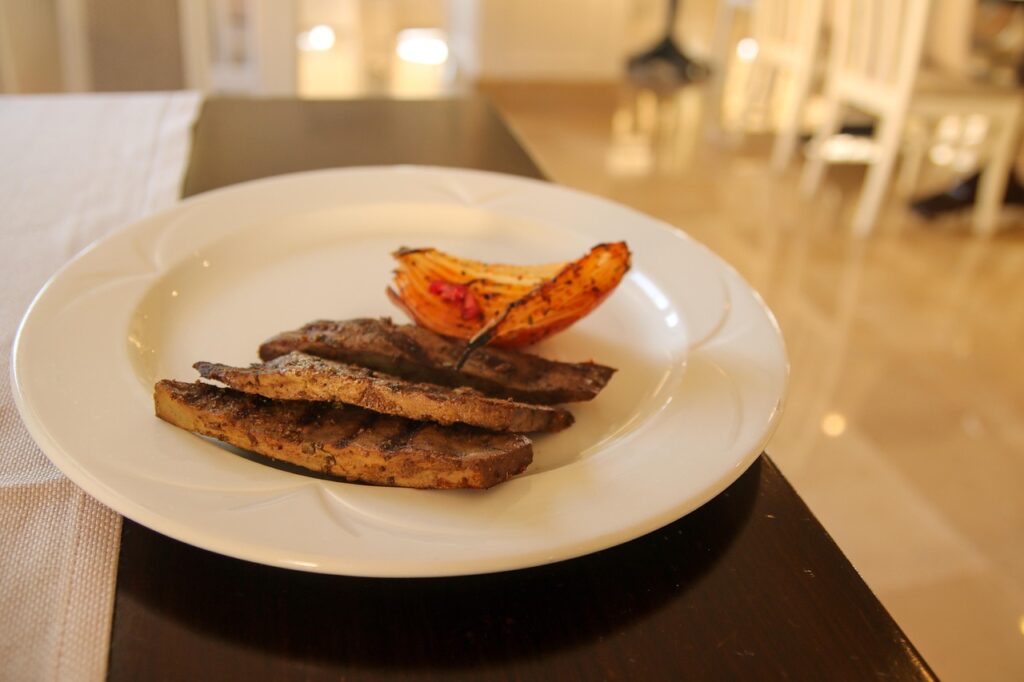
Liver
Quick answer
When it comes to liver during pregnancy, our verdict is caution. It's incredibly rich in preformed Vitamin A, which is wonderful in small doses, but too much can be a concern. Enjoying small, occasional servings is generally fine, but it's wise to keep an eye on your overall intake.
INCI name
Liver
Also known as
beef liver, chicken liver, pate
What is Liver?
Liver is a nutrient powerhouse, but because it contains very high levels of preformed Vitamin A (retinol), it’s best enjoyed in small, occasional servings during pregnancy to avoid exceeding safe limits.
What is Liver?
Liver, whether from beef, chicken, or prepared as a delicacy like pate, is a truly remarkable food. It’s often celebrated as nature’s multivitamin, packed with essential nutrients that support various bodily functions. Historically, it has been a staple in many cultures, valued for its potent nutritional profile.
Beyond its rich flavor, liver is an exceptional source of iron, folate, B vitamins, and, significantly for pregnancy, Vitamin A. However, the type of Vitamin A found in liver is preformed Vitamin A (retinol), which is different from the beta-carotene found in plant-based foods. This distinction is key when we talk about pregnancy safety.
Why pregnant women ask about it
It’s no surprise that liver often comes up in pregnancy conversations! Pregnant women are keenly aware of the need for nutrient-dense foods to support their growing baby, and liver certainly fits that bill. With its high iron content, it’s often seen as a natural way to combat or prevent iron-deficiency anemia, a common concern during pregnancy. The folate in liver is also crucial for neural tube development.
However, the buzz around Vitamin A and pregnancy can also spark questions. While Vitamin A is vital for fetal development, there’s a delicate balance. Many expecting parents wonder if the benefits outweigh any potential concerns, especially when they hear about the high Vitamin A levels in liver products like pate.
What research and expert consensus say
The main reason liver carries a “caution” verdict during pregnancy stems from its exceptionally high concentration of preformed Vitamin A, or retinol. While Vitamin A is essential for healthy vision, immune function, and fetal development, consuming very large or frequent amounts of *preformed* Vitamin A can be a concern. The concern isn’t about Vitamin A itself, but about exceeding safe intake levels of this specific form.
Most expert guidelines suggest that occasional, small servings of liver are generally fine. The key is moderation. The body processes preformed Vitamin A differently than beta-carotene (which is converted to Vitamin A as needed), making it possible to accumulate higher levels if intake is excessive. The goal is to avoid consistently going over recommended daily limits for Vitamin A from all sources, including supplements. It’s about finding that sweet spot where you get the fantastic nutrients without overdoing the retinol.
Safer alternatives to use instead
If you’re looking for nutrient powerhouses that offer similar benefits to liver without the Vitamin A concerns, you’ve got plenty of wonderful options! For iron, consider lean red meats, poultry, fish, fortified cereals, spinach, lentils, and beans. Pairing plant-based iron with Vitamin C (like bell peppers or citrus) helps your body absorb it better.
For folate, leafy green vegetables like spinach and kale, asparagus, avocados, and fortified grains are excellent choices. If you’re looking for Vitamin A in its safer, plant-based form (beta-carotene), load up on vibrant orange and yellow fruits and veggies like sweet potatoes, carrots, mangoes, and cantaloupe. Your body will convert just what it needs!
How SafeMom can help
Navigating food choices during pregnancy can feel like a maze, but SafeMom is here to be your friendly guide! While we’ve given you the scoop on liver as an ingredient, remember that specific products can vary. For a quick and easy check on any food item, supplement, or skincare product, simply scan it in the SafeMom app to get its personalized pregnancy-safety verdict.
Frequently Asked Questions
Can I eat pate while pregnant?
Pate, which often contains liver, falls under the same “caution” verdict due to its high preformed Vitamin A content. Additionally, if pate is not pasteurized or fully cooked, it can carry a risk of Listeria, which is another reason it’s generally advised to limit or avoid it during pregnancy. If you do choose to have it, ensure it’s from a reputable, pasteurized source and in very small, occasional amounts.
Is liver good for iron during pregnancy?
Yes, liver is an excellent source of highly bioavailable iron, which is very beneficial for preventing anemia during pregnancy. However, because of the Vitamin A concern, it’s usually recommended to obtain iron from a variety of other sources first, or to consume liver in very limited quantities.
What about other vitamins in liver?
Beyond Vitamin A and iron, liver is also a fantastic source of B vitamins (especially B12 and folate), copper, and zinc – all vital nutrients for pregnancy. The concern isn’t about these other beneficial nutrients, but specifically about the potential for excessive intake of preformed Vitamin A when liver is consumed frequently or in large amounts.
How much liver is too much?
There isn’t a universally agreed-upon exact amount that’s “too much,” as individual dietary needs and existing supplement intake vary. However, general guidance suggests that small, infrequent servings (e.g., a few ounces once or twice a month) are usually acceptable. It’s always best to discuss your specific dietary intake, including liver, with your healthcare provider to ensure you’re staying within safe Vitamin A limits.
SafeMom content is informational only and is not a substitute for medical advice. Always consult your healthcare provider before changing your routine during pregnancy. Scan any specific product in the SafeMom app for a complete pregnancy-safety check.
Related SafeMom Ingredient Guides
Trimester-specific note
The concern regarding high levels of preformed Vitamin A in liver is relevant throughout pregnancy, particularly during the first trimester when fetal development is most rapid. It's wise to be mindful of intake at all stages.
When to talk to your OB
If you used a product containing Liver before learning you were pregnant, mention it at your next prenatal visit — but most topical cosmetic exposures are not a cause for panic. For prescription exposures or specific concerns, contact your OB or midwife directly.