
Herbal Teas
Quick answer
When it comes to herbal teas during pregnancy, we recommend using caution. While some, like ginger or rooibos, can be lovely, others, such as licorice root or dong quai, are best avoided. Always check your specific tea blend using the SafeMom app.
INCI name
Herbal Teas
Also known as
herbal supplements, medicinal herbs
What is Herbal Teas?
While some herbal teas are a lovely way to soothe common pregnancy discomforts, others contain ingredients best avoided during this special time. It’s truly a mixed bag!
What are Herbal Teas?
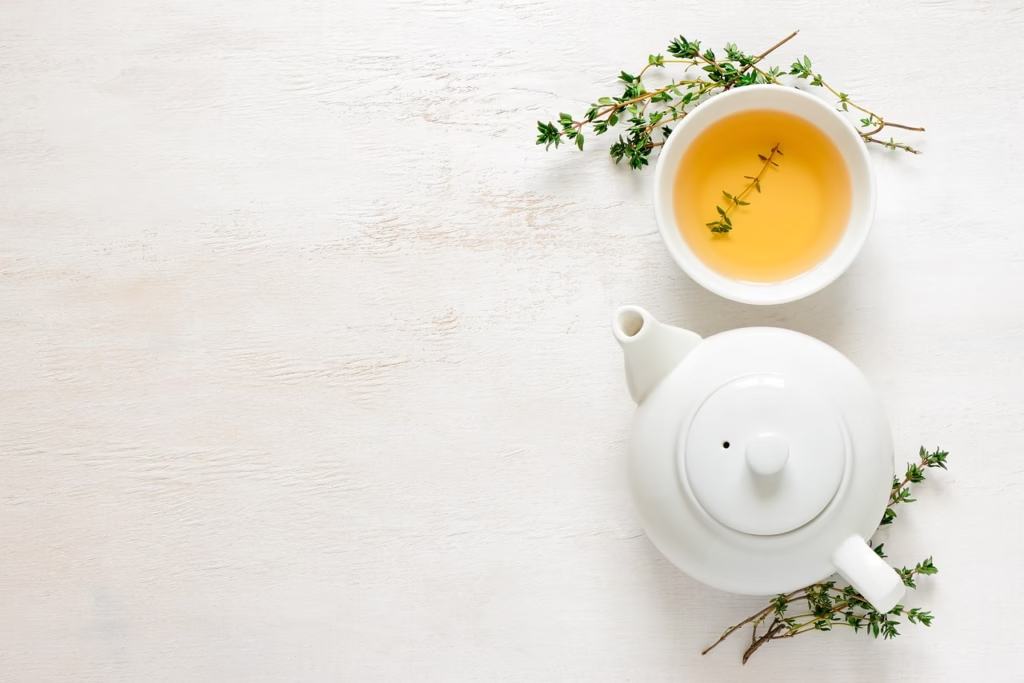
Herbal teas, sometimes called herbal infusions or tisanes, are delightful beverages made by steeping various parts of plants – think leaves, flowers, roots, bark, or seeds – in hot water. Unlike ‘true’ teas (like black, green, or oolong, which all come from the Camellia sinensis plant), herbal teas don’t contain tea leaves at all. They’re often enjoyed for their comforting warmth, unique flavors, and the traditional belief in their wellness benefits.
From soothing chamomile to invigorating peppermint or spicy ginger, the world of herbal teas is vast and varied. Many cultures have historically used these plant-based infusions as natural remedies or simply as a pleasant drink. However, because they come from plants, many herbal teas can have active compounds that interact with our bodies in different ways – which is why we need to be extra thoughtful about them during pregnancy.
Why pregnant women ask about it
It’s totally natural for expecting moms to look for gentle, natural ways to feel better during pregnancy! With common discomforts like morning sickness, indigestion, sleeplessness, or just general fatigue, a warm cup of herbal tea can seem like a perfect, comforting solution. Many women are also used to enjoying herbal teas as part of their daily routine before pregnancy and want to know if they can continue.
Plus, the desire to minimize medication use and embrace natural wellness often leads pregnant women to explore herbal options. The tricky part is knowing which ones are truly gentle and which might have stronger, unintended effects on a changing body and growing baby. It’s all about making informed choices for you and your little one!
What research and expert consensus say
When it comes to herbal teas during pregnancy, the consensus is to approach with caution – and for good reason! The key takeaway is that not all ‘natural’ is automatically ‘safe,’ especially when you’re expecting. Many herbal teas are indeed perfectly fine and can even be beneficial, like ginger tea, which is often recommended for soothing pregnancy-related nausea. Rooibos tea is another lovely option, being naturally caffeine-free and rich in antioxidants.
However, some herbal teas contain potent compounds that can have medicinal effects, and these might not be suitable during pregnancy. For instance, teas containing licorice root can potentially affect blood pressure, while herbs like dong quai or pennyroyal are known to be uterine stimulants and should be avoided. The challenge is that many herbal tea blends contain a mix of ingredients, and the concentration and purity of these herbs can vary widely. It’s not just about the herb itself, but also how much of it is present in your cup!
Because of this diversity and the varying levels of research on individual herbs in pregnancy, a blanket ‘safe’ or ‘unsafe’ statement for all herbal teas just isn’t possible. Always remember that what’s good for one person or one stage of life might not be ideal for pregnancy. It’s always best to be informed and cautious, focusing on well-researched options or those specifically recommended by your healthcare provider.
Safer alternatives to use instead
If you’re looking for comforting, warm drinks during pregnancy, there are plenty of wonderful options that don’t carry the same level of caution as some herbal teas. Plain hot water with a squeeze of lemon or a slice of ginger can be incredibly soothing. Decaffeinated black or green tea in moderation can also be an option for those who enjoy the flavor of ‘true’ teas.
For specific needs, ginger tea (made from fresh ginger root) is a fantastic, well-regarded choice for nausea. Rooibos tea is another excellent, naturally caffeine-free option that’s generally considered safe and offers a pleasant, earthy flavor. Fruit-infused waters (hot or cold) are also a refreshing and hydrating alternative. Always check the ingredient list on any packaged tea or beverage to ensure it doesn’t contain herbs you should avoid.
How SafeMom can help
With so many different herbal tea blends and individual ingredients out there, it can feel like a guessing game to know what’s truly okay during pregnancy. That’s where SafeMom steps in! Simply scan any specific product in the SafeMom app to get a detailed pregnancy-safety check for all its ingredients, helping you make confident, informed choices for your wellness routine.
Frequently Asked Questions
Is all ginger tea safe during pregnancy?
While ginger is widely recognized for helping with nausea during pregnancy, it’s generally best to stick to teas made from pure ginger root. Some ginger tea blends might include other herbs that could be questionable. Always check the full ingredient list and consult your healthcare provider if you have concerns.
What about "pregnancy teas" or raspberry leaf tea?
Certain teas are marketed specifically for pregnancy, like raspberry leaf tea. While red raspberry leaf is often discussed in the later stages of pregnancy, it’s still considered an herb with active properties. It’s always best to discuss any specific "pregnancy tea" with your healthcare provider before consuming it, and then scan it in your SafeMom app.
Are herbal teas containing essential oils safe?
Teas that contain essential oils, even in small amounts, should be approached with extra caution during pregnancy. Consuming essential oils is different from topical use, and their potency can be a concern. It’s generally best to avoid these types of teas unless specifically cleared by your healthcare provider.
How can I be sure an herbal tea is safe for me?
The best way to ensure an herbal tea is safe for you during pregnancy is to carefully read the ingredient list, avoid any known problematic herbs (like licorice root, dong quai, pennyroyal), and always discuss it with your healthcare provider. For a quick check, scan any specific product in the SafeMom app for an ingredient-by-ingredient safety breakdown.
SafeMom content is informational only and is not a substitute for medical advice. Always consult your healthcare provider before changing your routine during pregnancy. Scan any specific product in the SafeMom app for a complete pregnancy-safety check.
Related SafeMom Ingredient Guides
Trimester-specific note
The safety of herbal teas can vary by trimester, especially for those that might affect uterine contractions or hormone levels. It's always wise to be extra cautious, particularly in the first trimester.
When to talk to your OB
If you used a product containing Herbal Teas before learning you were pregnant, mention it at your next prenatal visit — but most topical cosmetic exposures are not a cause for panic. For prescription exposures or specific concerns, contact your OB or midwife directly.