
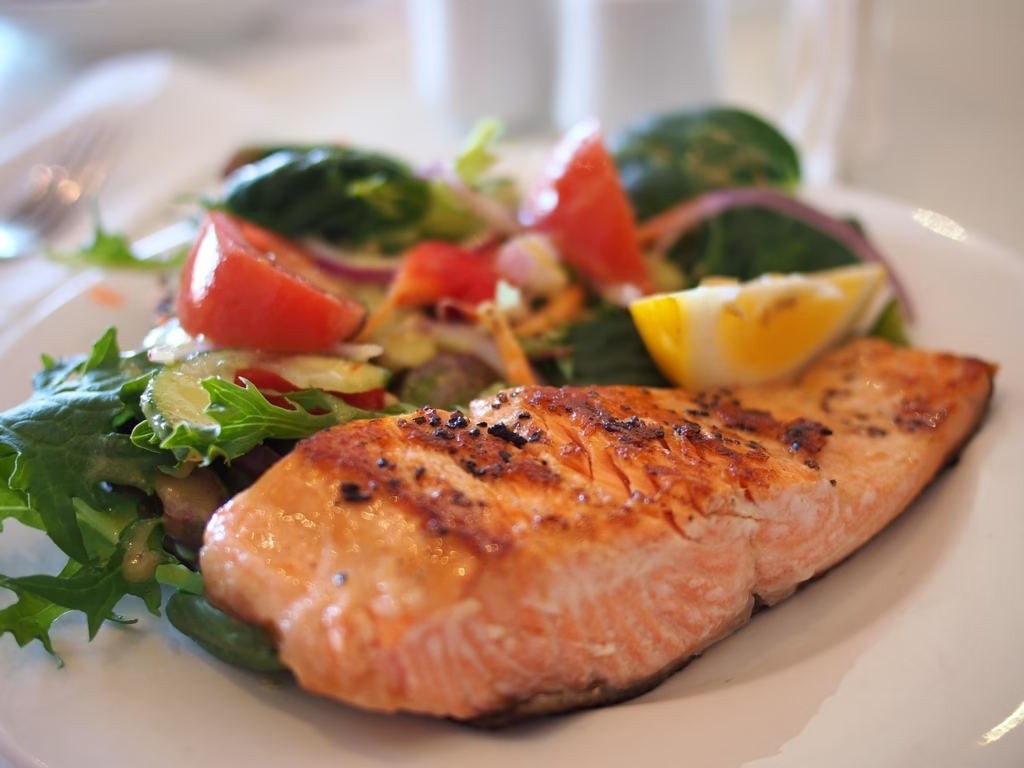
Salmon
Quick answer
Good news, mamas! Salmon is considered generally safe during pregnancy. It's a fantastic source of DHA omega-3s, essential for your baby's development, and is naturally low in mercury. Enjoy 2-3 servings per week for a healthy boost!
INCI name
Salmon
Also known as
wild salmon, omega-3 fish
What is Salmon?
This beloved fish is a wonderful source of omega-3s and is low in mercury, making it a great addition to your pregnancy diet.
What is Salmon?
Salmon is a popular, oily fish known for its distinctive pinkish-orange flesh and rich flavor. It's a nutritional powerhouse, packed with high-quality protein, vitamins (like D and B12), and minerals (such as selenium and potassium). There are several species of salmon, including Atlantic, Pacific (Chinook, Sockeye, Coho, Pink, Chum), and Steelhead, found in both wild and farmed varieties.
Beyond its delicious taste, salmon is particularly celebrated for its exceptional content of omega-3 fatty acids, especially docosahexaenoic acid (DHA) and eicosapentaenoic acid (EPA). These essential fats play crucial roles in overall health, from supporting heart function to brain development, making salmon a highly sought-after food for many health-conscious individuals.
Why pregnant women ask about it
It's completely natural for pregnant mamas to be extra thoughtful about what they eat, and fish often comes up in conversations about pregnancy diets. The primary concern many pregnant women have when it comes to fish, including salmon, is mercury content. Mercury can be harmful to a developing baby's nervous system, so understanding which fish are low in this metal is key.
Another common question revolves around food safety, specifically regarding raw or undercooked fish. During pregnancy, the immune system undergoes changes, making expectant mothers more susceptible to foodborne illnesses. This means careful preparation and cooking methods for all foods, especially fish, become even more important.
What research and expert consensus say
Good news, mamas! When it comes to salmon, the general consensus among health experts is overwhelmingly positive for pregnancy. Salmon is celebrated precisely because it offers the best of both worlds: high nutritional value with low mercury levels. While some larger, longer-lived fish can accumulate higher levels of mercury, salmon is typically a shorter-lived fish that feeds on smaller organisms, resulting in a much lower mercury profile.
The DHA omega-3s found abundantly in salmon are particularly vital during pregnancy. Studies suggest that DHA plays a critical role in the development of your baby's brain, eyes, and nervous system. Experts often recommend that pregnant women prioritize foods rich in DHA to support these developmental milestones. The FDA (U.S. Food and Drug Administration) and EPA (U.S. Environmental Protection Agency) specifically recommend 2-3 servings of lower-mercury fish, like salmon, per week for pregnant and breastfeeding women.
This recommendation helps ensure expectant mothers get enough of these beneficial omega-3s without exceeding safe mercury limits. So, you can feel good about including this delicious and nutritious fish in your pregnancy diet!
How to use it safely during pregnancy
To safely enjoy salmon during pregnancy, the key is proper preparation and cooking. Always ensure your salmon is thoroughly cooked to an internal temperature of 145°F (63°C). This means the flesh should be opaque and flake easily with a fork. Cooking salmon helps eliminate any potential bacteria or parasites that could cause foodborne illness.
While raw salmon (like in sushi or sashimi) is generally safe for non-pregnant individuals, it's best to avoid it during pregnancy due to the increased risk of foodborne pathogens. Similarly, cold-smoked salmon, unless it's hot-smoked and cooked through, should be consumed with caution or avoided. Stick to fully cooked options like baked, grilled, pan-seared, or broiled salmon. Aim for 2-3 servings (about 8-12 ounces total) of salmon per week to reap its amazing benefits!
How SafeMom can help
Navigating food choices during pregnancy can feel like a lot, but SafeMom is here to help you feel confident and informed. While salmon is a food, remember you can always scan any specific product in the SafeMom app for a complete pregnancy-safety check, whether it's a packaged food item or a skincare product!
FAQ
Can I eat raw salmon (like sushi) during pregnancy?
It's generally recommended to avoid raw or undercooked fish, including raw salmon, during pregnancy. This is because your immune system is a bit more sensitive, and there's a higher risk of foodborne illnesses from bacteria or parasites that might be present in raw fish. Stick to fully cooked salmon to be on the safe side!
Is farmed salmon safe during pregnancy, or should I only eat wild?
Both wild-caught and farmed salmon are generally considered safe for consumption during pregnancy and offer excellent nutritional benefits. While wild salmon often boasts a slightly higher omega-3 content and can have a different flavor profile, farmed salmon is also a great source of DHA and is regulated for safety. The most important thing is to ensure any salmon you choose is fully cooked.
How much salmon can I safely eat per week while pregnant?
Great question! Health organizations like the FDA recommend that pregnant women consume 2-3 servings of lower-mercury fish, such as salmon, per week. A serving is typically about 4 ounces. This amount provides beneficial omega-3s without concerns about mercury levels.
What are the main benefits of salmon for my baby's development?
Salmon is a superstar for your baby's development primarily due to its high content of DHA omega-3 fatty acids. DHA is crucial for the healthy development of your baby's brain, eyes, and nervous system. Including salmon in your diet helps provide these essential building blocks for their growth.
SafeMom content is informational only and is not a substitute for medical advice. Always consult your healthcare provider before changing your routine during pregnancy. Scan any specific product in the SafeMom app for a complete pregnancy-safety check.
Related SafeMom Ingredient Guides
Trimester-specific note
The nutritional benefits of salmon, particularly its DHA omega-3s, are valuable throughout all trimesters of pregnancy, as they support continuous fetal development. There are no specific trimester-based restrictions.
When to talk to your OB
If you used a product containing Salmon before learning you were pregnant, mention it at your next prenatal visit — but most topical cosmetic exposures are not a cause for panic. For prescription exposures or specific concerns, contact your OB or midwife directly.