
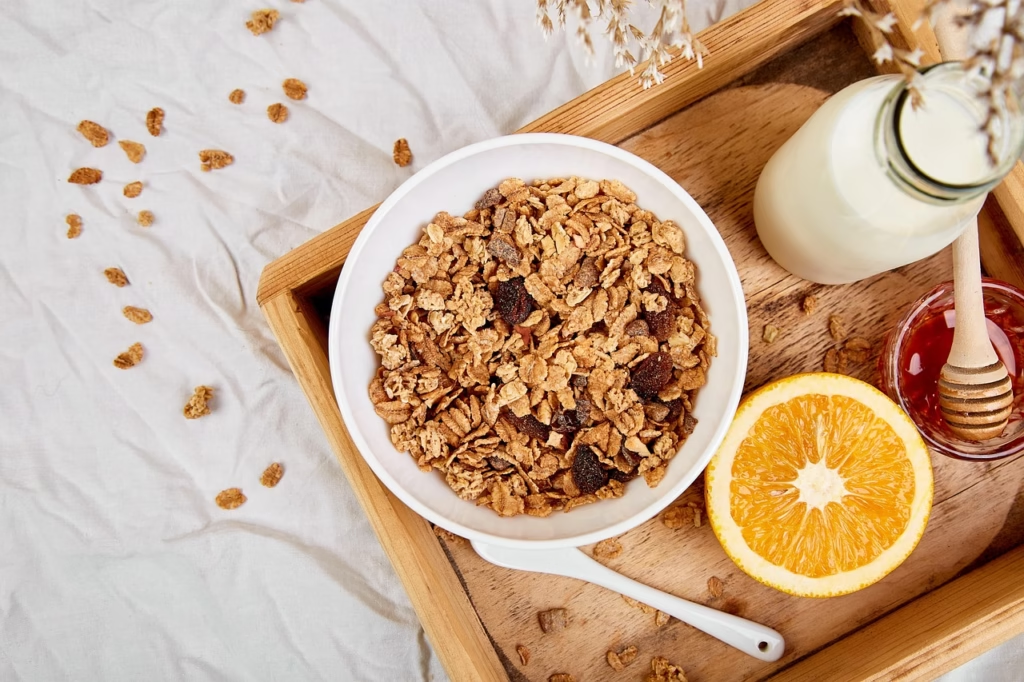
Oats
Quick answer
Good news, mama-to-be! Oats are a wonderful choice during pregnancy. They're generally safe and offer fantastic nutritional benefits, like sustained energy and fiber to help with common pregnancy discomforts. Remember, SafeMom is for informational purposes, not medical advice.
INCI name
Oats
Also known as
oatmeal, rolled oats
What is Oats?
Oats are a safe and nutritious choice during pregnancy, offering complex carbohydrates and beneficial fiber.
What is Oats?
Oats, known scientifically as Avena sativa, are a versatile cereal grain cherished for centuries for their nutritional value. You probably know them best as oatmeal, a comforting breakfast staple, but they also appear as rolled oats, steel-cut oats, and oat flour in various foods. They’re a fantastic source of whole grains, packed with goodness that can support your well-being.
Beyond your morning bowl, oats are a star ingredient in many products, from granola bars and breads to even some skincare formulations. Their mild flavor and incredible nutritional profile make them a beloved pantry item for families everywhere, including expecting mamas looking for wholesome options.
Why pregnant women ask about it
When you’re pregnant, every bite you take feels extra important, and rightly so! It’s natural to wonder about the safety and benefits of common foods like oats. Expecting mamas often ask about oats because they’re a dietary cornerstone for many and are known for being incredibly healthy. They want to ensure that this everyday food choice is truly beneficial and doesn’t pose any hidden concerns for their growing baby or their own changing body.
Plus, with all the focus on nutrition during pregnancy, women are keen to understand how ingredients like oats can specifically help with common pregnancy-related issues, such as managing energy levels or tackling digestive discomforts. It’s all about making informed, nurturing choices for you and your little one!
What research and expert consensus say
Good news, mama! When it comes to oats, the consensus is overwhelmingly positive. Experts generally consider oats to be a wonderful and safe food choice throughout pregnancy. They are celebrated primarily for being complex carbohydrates, which means they provide a steady, sustained release of energy, helping to ward off those dreaded pregnancy energy slumps. No sudden sugar spikes, just gentle, lasting fuel!
Beyond energy, oats are champions of fiber. This is a huge win during pregnancy, as many women experience constipation due to hormonal changes and the pressure of a growing uterus. The soluble and insoluble fiber in oats can work wonders in keeping your digestive system happy and regular. Think of it as a gentle, natural helper for your tummy!
Additionally, oats are packed with essential nutrients like B vitamins, iron, magnesium, and zinc, all of which are vital for both your health and your baby’s development. While it’s always wise to enjoy a balanced diet, incorporating oats is a simple way to boost your nutrient intake and support overall well-being during this special time.
How to use it safely during pregnancy
Embracing oats during pregnancy is super easy and delicious! You can enjoy them in countless ways. Start your day with a warm bowl of oatmeal, perhaps topped with fresh berries, nuts, or a drizzle of honey for added nutrients and flavor. They make a fantastic, filling breakfast that can keep morning sickness at bay for some and provide lasting energy.
Don’t limit oats to just breakfast! You can add rolled oats to smoothies for extra fiber, use oat flour in baking recipes for muffins or pancakes, or even incorporate them into savory dishes like meatloaf as a binder. Just ensure that any oats you consume are cooked thoroughly, as with any grain. Opt for plain, unsweetened varieties to control sugar intake, and if you have any allergies or specific dietary concerns, a quick chat with your healthcare provider is always a good idea.
How SafeMom can help
Curious about other ingredients in your pantry or skincare routine? SafeMom is here to be your go-to guide! Our app allows you to scan any product and get instant, clear pregnancy-safety verdicts, helping you make informed choices with confidence. Let us take the guesswork out of your daily routine so you can focus on what truly matters.
FAQ
Can eating oats help with pregnancy constipation?
Absolutely! Oats are rich in both soluble and insoluble fiber, which are fantastic for promoting healthy digestion and can be very helpful in relieving common pregnancy-related constipation. Staying hydrated alongside your oat intake will also boost their effectiveness.
Are there any types of oats I should avoid during pregnancy?
Generally, all forms of oats – rolled, steel-cut, instant, and oat flour – are considered safe during pregnancy. The main thing to watch out for is added sugars or artificial flavors in pre-packaged instant oatmeals. Opt for plain, unflavored oats and sweeten them naturally yourself.
Can oats help with morning sickness?
For some mamas, the complex carbohydrates in oats can help stabilize blood sugar levels, which might alleviate nausea associated with morning sickness. A bland, warm bowl of oatmeal can be comforting and easy to digest when your stomach feels a bit unsettled.
Is there a limit to how much oatmeal I can eat while pregnant?
While oats are incredibly healthy, a balanced diet is key. There’s no strict limit, but moderation is always a good idea. Enjoy oats as part of a varied diet that includes plenty of fruits, vegetables, lean proteins, and other whole grains. Listen to your body and what feels good for you.
SafeMom content is informational only and is not a substitute for medical advice. Always consult your healthcare provider before changing your routine during pregnancy. Scan any specific product in the SafeMom app for a complete pregnancy-safety check.
Related SafeMom Ingredient Guides
Trimester-specific note
Oats are a beneficial and safe food choice throughout all trimesters of pregnancy, offering consistent nutritional support from conception to birth.
When to talk to your OB
If you used a product containing Oats before learning you were pregnant, mention it at your next prenatal visit — but most topical cosmetic exposures are not a cause for panic. For prescription exposures or specific concerns, contact your OB or midwife directly.