
Sipping Comfort, Seeking Clarity: Herbal Teas During Pregnancy
Ah, pregnancy! A time when your body is doing amazing things, and sometimes, all you want is a warm, comforting mug of something soothing. For many of us, that means reaching for a flavorful herbal tea. Whether you’re battling morning sickness, trying to relax before bed, or just craving a cozy moment, herbal teas can feel like a little hug in a mug. But with so much conflicting information out there, it’s easy to feel a little overwhelmed and wonder, “Are these really safe for me and my baby?”
You’re not alone in asking these questions! Navigating the world of what’s “in” and “out” during pregnancy can feel like a full-time job. That’s why we’re diving deep into herbal teas during pregnancy: the full safety breakdown moms ask about. We’re here to offer clear, reassuring guidance so you can make informed choices with confidence.
What Exactly *Are* Herbal Teas? (And Why They’re Different)
First things first, let’s clarify what we mean by “herbal tea.” Interestingly, most herbal teas aren’t technically “tea” at all! True tea comes from the *Camellia sinensis* plant (think black, green, oolong, white teas), which contains caffeine. Herbal teas, on the other hand, are infusions made from the leaves, flowers, roots, seeds, bark, or fruits of various other plants. They’re often called “tisanes” and are typically caffeine-free.
These botanical infusions show up in our lives in many ways:
- Beverages: This is the most common form, enjoyed for flavor, warmth, and traditional wellness benefits.
- Traditional Remedies: Many cultures have long used specific herbs for their medicinal properties, often brewed as teas.
- Skincare & Beauty: While less common as a primary active ingredient, some plant extracts found in herbal teas might also appear in skincare products for their soothing or antioxidant properties.
The key takeaway here is that “natural” doesn’t always equate to “inert.” Plants are powerful! They contain active compounds that can have real effects on your body, which is why it’s so important to understand what you’re sipping on during pregnancy.
SafeMom’s General Approach to Herbal Teas During Pregnancy: Caution
When it comes to the vast and wonderful world of herbal teas, SafeMom generally recommends an approach of caution during pregnancy. This isn’t to cause alarm, but rather to empower you with the knowledge to make thoughtful choices.
So, what’s the real reason behind this recommendation?
- Lack of Dedicated Studies: Unlike pharmaceuticals, many individual herbs and herbal blends haven’t undergone extensive, rigorous scientific studies specifically on pregnant populations. This means we often don’t have definitive data on their safety, efficacy, or potential side effects during pregnancy. Without this clear evidence, a cautious approach is simply the smartest way to go.
- Potency and Variability: Plants are complex chemical factories! The concentration of active compounds in an herbal tea can vary widely depending on the plant species, growing conditions, harvesting methods, and how the tea is prepared. What might be a mild effect in a small culinary amount could be much more potent in a concentrated tea infusion.
- Potential Effects on Pregnancy: Some herbs are traditionally known to have strong physiological effects, such as stimulating uterine contractions, influencing hormone levels, or even acting as diuretics or blood thinners. While these properties might be desired in other contexts, they can be a concern during pregnancy.
- Individual Sensitivities: Just like with foods or medications, what works for one person might not work for another. Pregnancy can also heighten sensitivities, making it even more important to be mindful of what you’re consuming.
Think of it this way: your body is doing incredible work growing a tiny human, and it’s extra sensitive right now. Choosing caution means giving your body, and your baby, the gentlest environment possible.
Navigating the World of Herbal Teas: Practical Guidance
So, what does this “caution” look like in your daily life? It certainly doesn’t mean you have to give up all herbal teas! It’s about being informed and making smart choices.
First and Foremost: Always Chat with Your Healthcare Provider
This is the golden rule! Before introducing any new herbal tea into your routine, especially if you plan to drink it regularly, have a quick chat with your doctor, midwife, or a registered dietitian who specializes in prenatal nutrition. They know your individual health history and can provide personalized advice.
General Principles for Choosing Herbal Teas During Pregnancy:
- Read Ingredients Carefully: Don’t just assume a tea is “herbal” and therefore safe. Look at the full ingredient list. Some blends might contain herbs you’re not familiar with or in concentrations you should discuss with your provider.
- Opt for Reputable Brands: Choose teas from well-known, established brands that prioritize quality control and transparency in their sourcing and processing. This can help ensure you’re getting what the label says, without unexpected contaminants.
- Moderation is Key: Even for herbs generally considered milder, enjoying them in moderation is a smart strategy. Think occasional cups rather than multiple large mugs daily.
- Listen to Your Body: If an herbal tea makes you feel unwell in any way (digestive upset, headaches, unusual reactions), stop drinking it and consult your provider.
Herbs Often Discussed for Specific Considerations (Always with Your Provider’s OK):
While we can’t give you a definitive “safe” or “avoid” list for every single herb (because individual circumstances and research vary, and we’re not your medical provider!), here are some commonly discussed examples and how to approach them:
- Ginger Tea: Often a superstar for soothing morning sickness and general nausea. Many pregnant people find it helpful. Discuss with your provider, but generally considered a gentler option in moderation.
- Peppermint Tea: Can be lovely for digestive discomfort or nausea. However, some find it can worsen heartburn, so pay attention to how your body reacts.
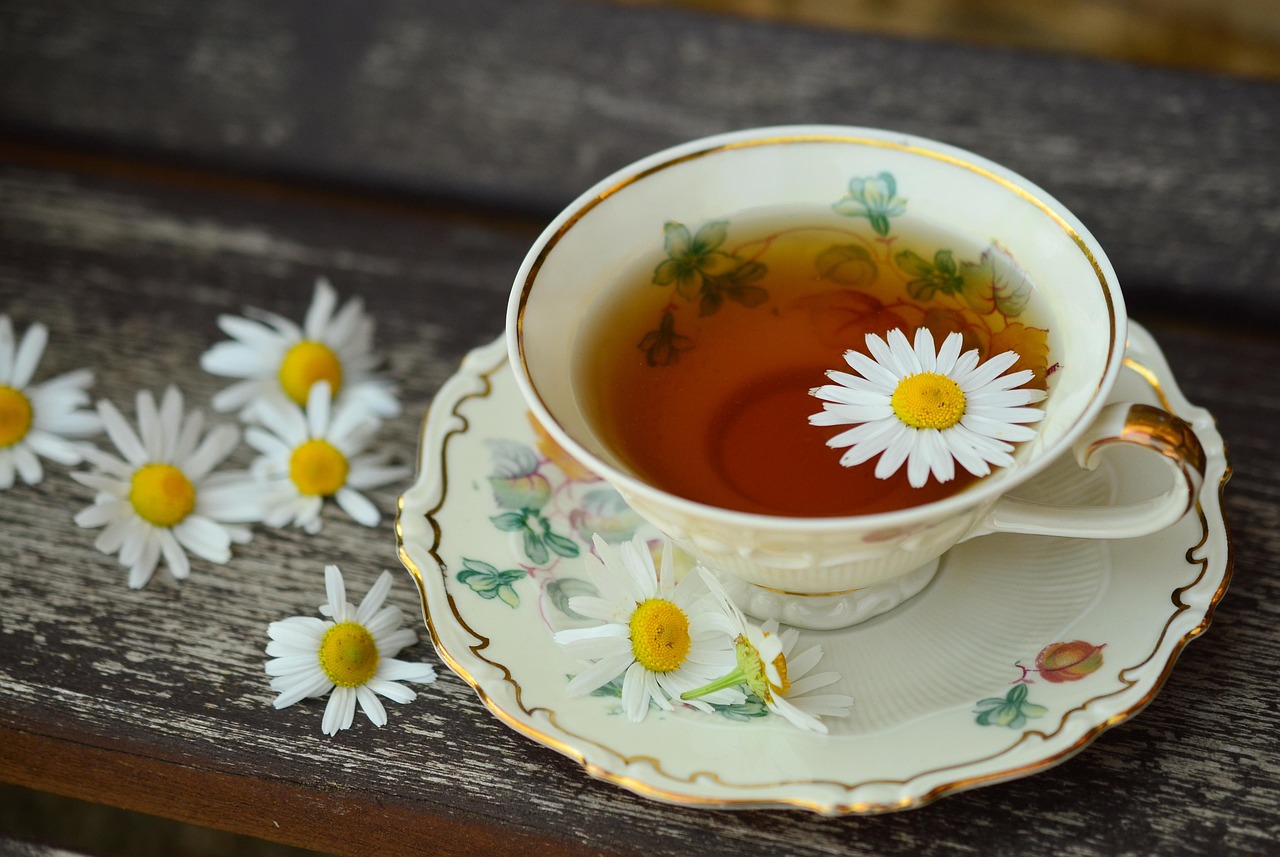
- Chamomile Tea: Known for its mild, relaxing properties, chamomile can be a comforting bedtime drink. While generally considered mild, some sources suggest very high doses could be a concern, so moderation is still wise.
- Red Raspberry Leaf Tea: This one often comes up in pregnancy discussions! It’s traditionally thought to tone the uterus and prepare it for labor. It’s typically discussed for use in the third trimester *only*, and always under the direct guidance and supervision of your healthcare provider, due to its potential uterine effects. This is a prime example of an herb where timing, dosage, and medical consultation are absolutely crucial.
Herbs to be More Mindful Of:
Certain herbs have strong traditional medicinal uses that warrant extra scrutiny during pregnancy. These include herbs with potent laxative properties, those traditionally used to stimulate uterine function, or those that could significantly affect blood clotting or hormone levels. If you encounter an herb with “strong” or “medicinal” claims, or one you’re simply unfamiliar with, it’s always best to err on the side of caution and discuss it with your healthcare provider *before* consuming it.
The Full Safety Breakdown Moms Ask About: Your Takeaways
Bringing it all together, here’s the essence of navigating herbal teas during pregnancy: the full safety breakdown moms ask about:
- Natural doesn’t always mean risk-free. Plants are powerful, and their compounds can have real effects.
- Uncertainty is the main driver for caution. When research is limited, a conservative approach is best for you and your baby.
- Your healthcare provider is your best guide. Always consult them for personalized advice.
- Read labels, choose reputable brands, and practice moderation.
Scan with SafeMom for Extra Clarity
And for any specific product you’re curious about, whether it’s a new tea blend you spotted or a skincare gem, remember to give it a quick scan in your SafeMom app. Our app helps break down ingredients and provides clear guidance, making your pregnancy journey a little less ‘what if’ and a lot more ‘I got this!’
SafeMom is informational, not medical advice — check with your provider.