
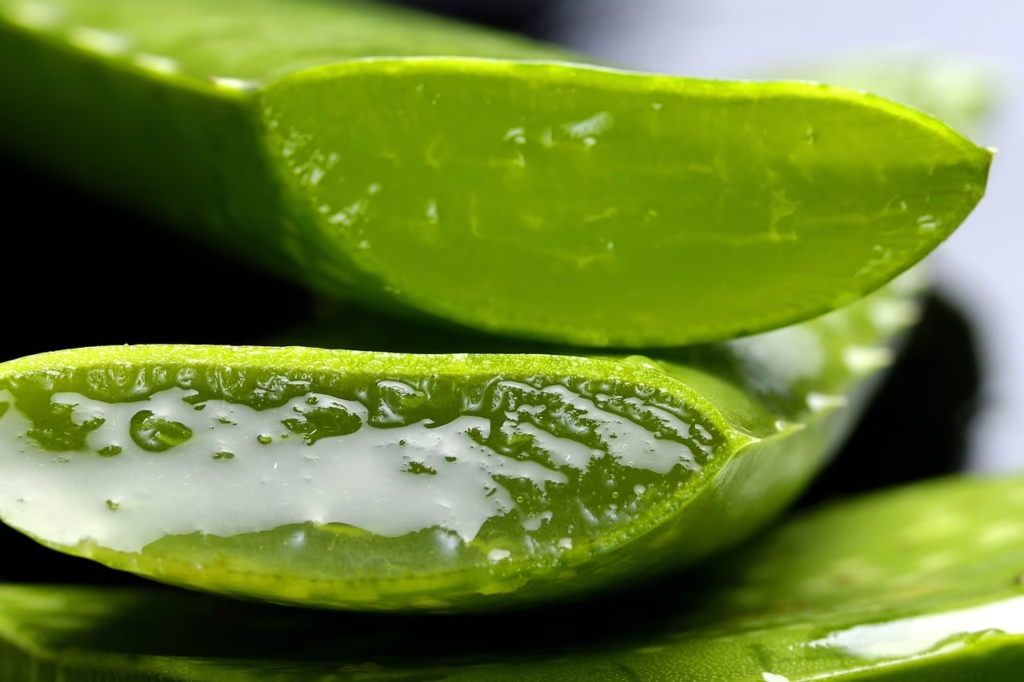
Aloe Vera
Topical plant extract with long pregnancy-safety record. Soothing for sunburn, dry skin, and pregnancy itch. Oral aloe is a different matter and not recommended.
Quick answer
Topical aloe vera is pregnancy-safe with a long traditional and modern usage record. Soothing for sunburn, pregnancy itch, dry skin. NOTE: oral aloe (juice, capsules) is a different exposure route and is NOT recommended during pregnancy due to laxative effects and uterine-stimulant concerns.
INCI name
Aloe Barbadensis Leaf Juice
CAS number
85507-69-3
Also known as
Aloe vera gel, aloe extract, Aloe barbadensis
Formula
varies (mixture)
What is Aloe Vera?
What aloe vera is
Aloe vera is a succulent plant (Aloe barbadensis) used medicinally and cosmetically for thousands of years. The clear gel inside the leaves contains polysaccharides, glycoproteins, and small amounts of vitamins and minerals with documented anti-inflammatory and wound-healing effects1.
In cosmetic products, aloe vera leaf juice or gel appears in moisturizers, after-sun products, soothing serums, hair conditioners, and many “calming” or “sensitive skin” formulations.
Why TOPICAL aloe is pregnancy-safe
- Long safety record. Used topically for centuries; no documented developmental or reproductive safety signals2.
- Minimal systemic absorption. The components active in topical use (polysaccharides like acemannan) are too large for significant skin penetration.
- Pregnancy-symptom relief. Useful for the itchy stretching skin, dryness, and minor sunburn many experience in pregnancy.
- Endorsed for pregnancy use. Topical aloe appears on most pregnancy-safe ingredient lists from dermatology and OB sources3.
CRITICAL: oral aloe is NOT pregnancy-safe
Oral aloe (juice, capsules, “detox” drinks containing whole-leaf aloe) is a completely different exposure route with different active compounds:
- Laxative effect. Aloe latex (the yellow layer between the leaf skin and clear gel) contains anthraquinone glycosides (aloin, emodin) that act as stimulant laxatives. The FDA banned aloe laxatives in OTC products in 2002 due to insufficient safety data4.
- Uterine stimulant concerns. Traditional herbalists have warned against oral aloe in pregnancy due to potential uterine contractions; case reports exist of associated miscarriage and preterm labor.
- Electrolyte and fluid effects. The laxative action can cause dehydration and electrolyte imbalances at higher doses.
If you’re drinking aloe-containing beverages or taking aloe supplements, discontinue during pregnancy. Topical use is unaffected by this oral caution.
Topical aloe uses during pregnancy
- Pregnancy itch. Especially across the stretching abdomen in second and third trimesters — aloe is gentle and cooling.
- After-sun care. Pure aloe gel for occasional sunburn (though mineral SPF prevention is preferred).
- Dry-patch relief. Eczema patches, dry winter skin.
- Hair care. Aloe is in many sulfate-free, gentle conditioners.
Choosing pure aloe products
Look for products where aloe is high in the ingredient list (not just a tiny percentage for marketing). 100% aloe vera gels are widely available from brands like Lily of the Desert, Seven Minerals, and many drugstore brands. Avoid products with added fragrance or alcohol if you have sensitive skin.
Is Aloe Vera safe while breastfeeding?
Topical aloe is safe during breastfeeding. Avoid applying to nipple area immediately before nursing to prevent infant ingestion.
When to talk to your OB
If you used a product containing Aloe Vera before learning you were pregnant, mention it at your next prenatal visit — but most topical cosmetic exposures are not a cause for panic. For prescription exposures or specific concerns, contact your OB or midwife directly.
Sources
- U.S. National Library of Medicine. Aloe. NIH Office of Dietary Supplements. View source →
- Surjushe A, Vasani R, Saple DG. (2008). Aloe vera: a short review. Indian Journal of Dermatology. View source →
- American College of Obstetricians and Gynecologists. Skin Conditions During Pregnancy. ACOG Patient FAQ 169. View source →
- U.S. Food and Drug Administration. (2002). Status of certain additional over-the-counter drug category II and III active ingredients. Federal Register. View source →