
Talc
Powder filler in cosmetics. Historic asbestos contamination concerns and ovarian/perineal exposure litigation. Avoid genital-area use in pregnancy.
Quick answer
Use talc cautiously during pregnancy. Historic concerns about asbestos contamination from natural talc deposits. Avoid talc in genital-area products (baby powder traditional use) — long-standing litigation over ovarian-cancer associations. Cosmetic-grade talc in pressed makeup is lower-risk.
INCI name
Talc
CAS number
14807-96-6
Also known as
Talcum, hydrated magnesium silicate, soapstone
Formula
Mg3Si4O10(OH)2
What is Talc?
What talc is
Talc is a naturally-occurring hydrated magnesium silicate mineral — one of the softest minerals known (Mohs hardness 1). In cosmetics it’s used as an inexpensive bulking agent, absorbent, anti-caking agent, and for its slip and softness on skin1.
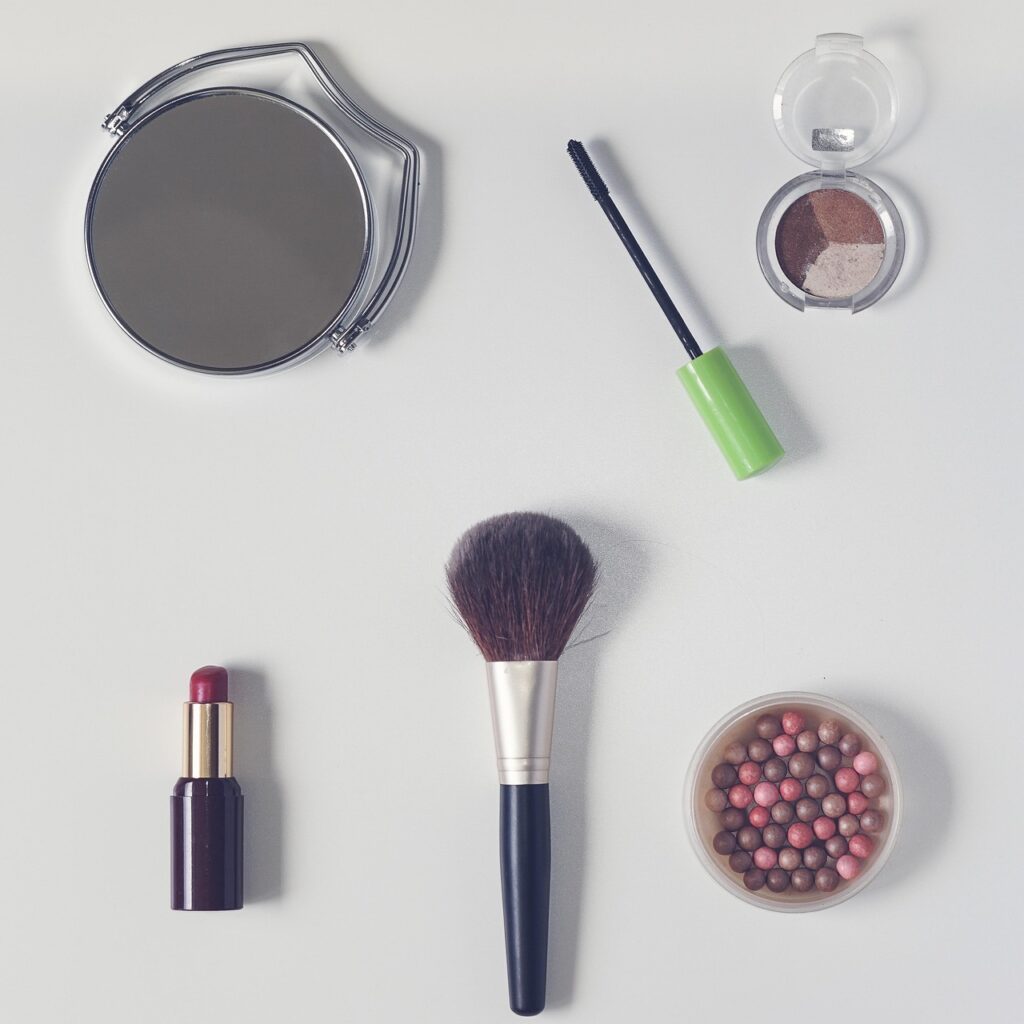
Common uses include baby powder, body powders, dry shampoos, pressed face powders, blushes, eye shadows, deodorants, and some pharmaceutical tablets.
The asbestos contamination problem
Natural talc deposits are often geologically adjacent to asbestos — another naturally-occurring silicate mineral. Asbestos is a Group 1 IARC human carcinogen with well-established lung, ovarian, and mesothelioma risks. The U.S. cosmetic-grade talc standard requires asbestos absence, but FDA testing has historically found asbestos contamination in commercial products, including baby powder2.
Johnson & Johnson removed talc-based baby powder from North American markets in 2020 and globally in 2023, following decades of litigation related to ovarian cancer and mesothelioma claims attributed to perineal talc use.
The ovarian cancer association
Multiple case-control and cohort studies have examined an association between perineal talc use (applied directly to the genital area) and ovarian cancer risk. Meta-analyses have found small but statistically significant elevated risks (relative risk ~1.2–1.4) in regular long-term users3. The mechanism is hypothesized to involve talc particles migrating through the reproductive tract and causing chronic inflammation.
Whether this is driven by asbestos contamination, by talc itself, or by other factors remains debated — but the cumulative concern has been sufficient for major manufacturers to reformulate.
Pregnancy-specific guidance
For pregnancy, the strongest evidence-based recommendations are:
- Avoid talc-based products in the genital area. This includes traditional baby powder applications and feminine deodorant powders.
- Switch baby powder to cornstarch-based alternatives — many brands now offer cornstarch baby powder.
- Avoid loose talc powders if possible during pregnancy due to inhalation concerns.
- Pressed talc in face powder/makeup is generally lower risk because particles aren’t aerosolized. Choose verified asbestos-free brands.
Safer alternatives
- Cornstarch — the most common talc replacement; widely available in baby powders.
- Arrowroot powder — another natural absorbent.
- Tapioca starch — gentler than cornstarch for some users.
- For cosmetics: many “clean beauty” brands now offer talc-free pressed powders using kaolin clay, rice powder, or silica as alternatives4.
When to talk to your OB
If you used a product containing Talc before learning you were pregnant, mention it at your next prenatal visit — but most topical cosmetic exposures are not a cause for panic. For prescription exposures or specific concerns, contact your OB or midwife directly.
Sources
- U.S. National Library of Medicine. Talc. PubChem. View source →
- U.S. Food and Drug Administration. Talc-Containing Cosmetic Products: Asbestos Concerns. FDA. View source →
- Penninkilampi R, Eslick GD. (2018). Perineal talc use and ovarian cancer: a systematic review and meta-analysis. Epidemiology. View source →
- Environmental Working Group. Talc in cosmetics: safer alternatives. EWG. View source →