
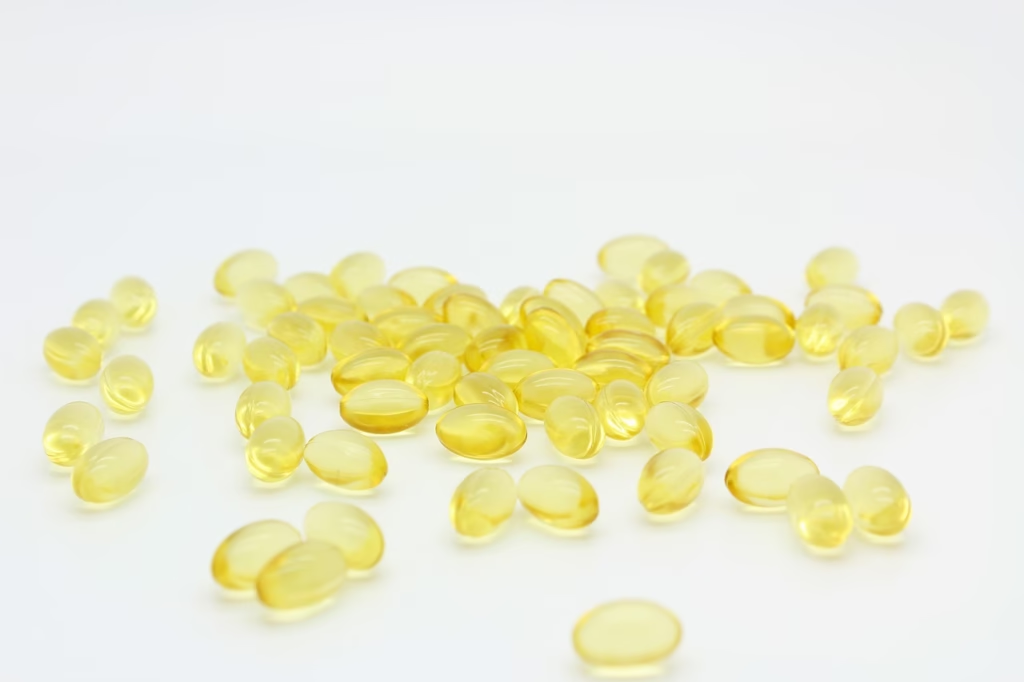
DHA Omega-3
Quick answer
DHA Omega-3 is generally considered safe during pregnancy. It's truly a superstar for your baby's developing brain and eyes, with many experts recommending a daily intake of 200-300mg. Remember, SafeMom provides information, not medical advice.
INCI name
DHA Omega-3
Also known as
docosahexaenoic acid, fish oil, algae oil
What is DHA Omega-3?
DHA Omega-3, also known as docosahexaenoic acid, is considered generally safe and highly beneficial during pregnancy for your little one's development.
What is DHA Omega-3?
DHA, or docosahexaenoic acid, is a star player in the world of omega-3 fatty acids. These are essential fats that our bodies need but can't produce on their own, meaning we have to get them from our diet or supplements. DHA is particularly special because it's a major structural component of the brain, retina, and other important tissues.
You might recognize DHA from common sources like fish oil, which is derived from fatty fish such as salmon, mackerel, and sardines. For those who prefer a plant-based option, DHA can also be sourced from algae oil, making it accessible for everyone, including our vegan mamas-to-be!
Why pregnant women ask about it
When you're expecting, every ingredient you put into or onto your body gets a little extra scrutiny – and rightly so! Supplements, especially those derived from marine sources like fish oil, often raise questions. Pregnant women frequently wonder about the purity of fish oil (thinking about mercury levels, for example) and whether taking a supplement is truly necessary or just a nice-to-have. It's natural to want to ensure that anything you consume is beneficial and, most importantly, safe for your developing baby.
What research and expert consensus say
Good news, mama! When it comes to DHA Omega-3, the consensus is overwhelmingly positive. It's considered generally safe and highly beneficial during pregnancy. Research consistently highlights DHA's critical role in the development of your baby's brain and eyes, especially during the crucial stages of growth in the womb and early infancy. Think of it as a key building block for their future brilliance!
Many health organizations and experts recommend that pregnant women aim for an intake of 200-300mg of DHA per day. This recommendation often leads to the suggestion of a DHA supplement, as meeting this amount consistently through diet alone can sometimes be challenging. For those who are vegetarian or vegan, or simply prefer to avoid fish, algae-based DHA supplements are a fantastic and safe alternative, providing all the same benefits without the fishy factor.
How to use it safely during pregnancy
Incorporating DHA Omega-3 into your pregnancy routine is generally straightforward. If you're considering a supplement, it's always a wonderful idea to chat with your healthcare provider first. They can help you determine the right dosage that's best for you and your baby, typically aligning with the recommended 200-300mg per day.
When choosing a supplement, look for reputable brands that clearly state their DHA content and ideally, are third-party tested for purity. This helps ensure you're getting a high-quality product free from unwanted contaminants. If you're opting for fish oil, many brands now offer "molecularly distilled" or "purified" options, which are processed to remove potential impurities. And remember, algae-based DHA is a perfectly safe and effective choice for everyone, especially if you're avoiding fish.
How SafeMom can help
Navigating the world of pregnancy-safe ingredients can sometimes feel like a puzzle. SafeMom is here to help you piece it all together! While DHA Omega-3 is generally safe, knowing the specifics of your chosen product is always a good idea. Scan any specific product in the SafeMom app for a complete pregnancy-safety check and to see how it stacks up.
Frequently Asked Questions
Is DHA Omega-3 the same as fish oil?
DHA Omega-3 is an important component found in fish oil, but they aren't exactly the same thing. Fish oil contains DHA along with other omega-3s like EPA. DHA can also be sourced from algae oil, which is a popular vegan alternative to fish oil, offering the same key benefits for development.
How much DHA do I need during pregnancy?
Many experts recommend a daily intake of 200-300mg of DHA for pregnant women. This amount is considered optimal to support your baby's developing brain and eyes. Always confirm specific dosage recommendations with your healthcare provider.
Can I get enough DHA from food alone?
While some foods like fatty fish (salmon, sardines) are rich in DHA, consistently meeting the recommended 200-300mg per day through diet alone can be challenging for many. This is why supplements are often recommended to ensure adequate intake, especially if you don't regularly consume DHA-rich foods.
Are there any side effects of taking DHA?
DHA supplements are generally well-tolerated. Some individuals, especially those taking fish oil, might experience mild digestive upset, such as nausea or "fishy burps." Taking your supplement with food can sometimes help minimize these effects. If you have any concerns, it's best to chat with your healthcare provider.
SafeMom content is informational only and is not a substitute for medical advice. Always consult your healthcare provider before changing your routine during pregnancy. Scan any specific product in the SafeMom app for a complete pregnancy-safety check.
Related SafeMom Ingredient Guides
Trimester-specific note
DHA Omega-3 is important throughout all trimesters of pregnancy, as it supports continuous fetal brain and eye development. It's often recommended to start early and continue supplementing.
When to talk to your OB
If you used a product containing DHA Omega-3 before learning you were pregnant, mention it at your next prenatal visit — but most topical cosmetic exposures are not a cause for panic. For prescription exposures or specific concerns, contact your OB or midwife directly.