
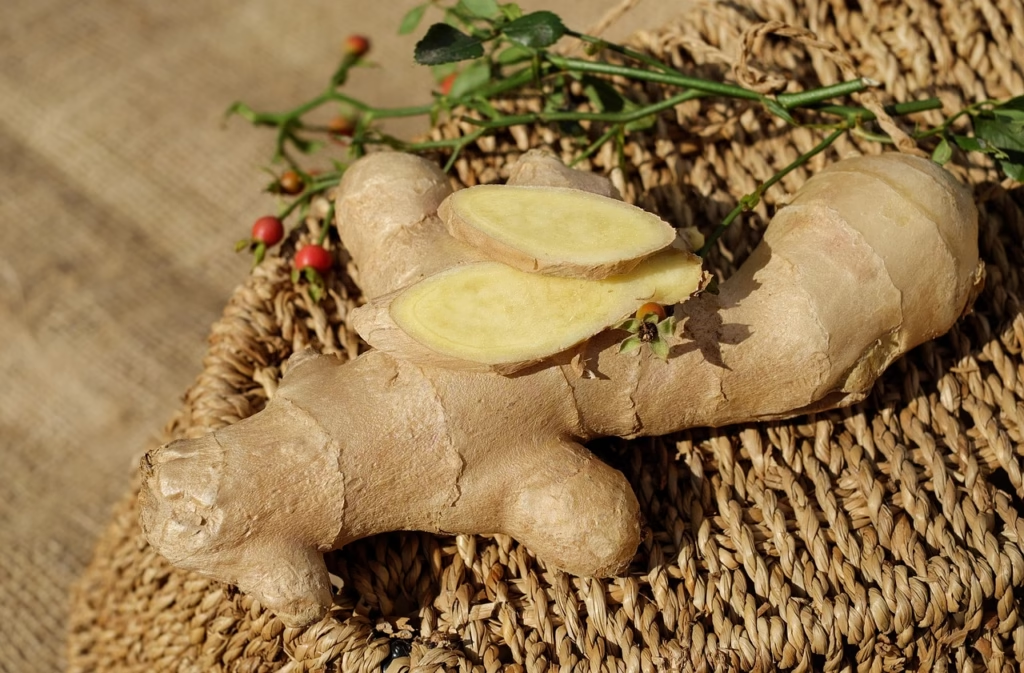
Ginger
Quick answer
Ginger is generally safe for use during pregnancy, widely recognized as effective for managing pregnancy nausea. Culinary amounts and ginger tea are typically well-tolerated. Remember, this information is for general knowledge, not medical advice.
INCI name
Ginger
Also known as
ginger root, ginger tea
What is Ginger?
Ginger is widely recognized as generally safe for use during pregnancy, especially for managing nausea, and is well-tolerated in culinary amounts and as tea.
What is Ginger?
Ah, ginger! This wonderful root, also known as ginger root, is a true superstar in both the kitchen and traditional wellness practices. Originating from Southeast Asia, ginger is the rhizome (underground stem) of the Zingiber officinale plant. For centuries, it has been cherished for its pungent, spicy-sweet flavor and its comforting warmth, making it a beloved ingredient in everything from stir-fries and baked goods to refreshing ginger tea.
Beyond its culinary prowess, ginger has a long history of use in various traditional medicine systems, where it’s been valued for its soothing properties. It’s truly a versatile ingredient, bringing a delightful zing to dishes while also offering a gentle touch of wellness support. Many people reach for ginger when they need a little pick-me-up or a comforting brew.
Why pregnant women ask about it
It’s no surprise that ginger often pops up on a pregnant mama’s radar! When the joys of pregnancy are sometimes accompanied by the less-than-joyful experience of morning sickness or general nausea, many women naturally seek gentle, traditional remedies. Ginger has a long-standing reputation as a go-to for soothing an upset stomach, and this reputation naturally extends to pregnancy-related nausea.
As you navigate your pregnancy journey, it’s common to scrutinize every ingredient, even those that seem harmless or natural. Given ginger’s widespread use and its specific association with nausea relief, it’s perfectly normal to wonder about its safety during this special time. You’re simply being a wonderfully thoughtful mom-to-be!
What research and expert consensus say
Good news, mamas! When it comes to ginger and pregnancy, the expert consensus is reassuring. Ginger is widely recognized as generally safe and effective for managing pregnancy nausea. Numerous studies and reviews have explored its use, and the findings consistently suggest that ginger can be a helpful, gentle option for many women experiencing morning sickness.
The key here is usually the form and dose. Culinary amounts, like those you’d find in your favorite dishes, and ginger tea are generally well-tolerated. Many healthcare providers may even suggest ginger as a first-line approach for mild to moderate pregnancy nausea before considering other options. It’s always about finding what works best for you and your body, but you can feel pretty good about reaching for that ginger cookie or a warm cup of ginger tea.
How to use it safely during pregnancy
Incorporating ginger into your pregnancy routine can be a delightful way to potentially ease nausea and add some flavor to your day. Enjoying ginger in culinary doses, whether grated fresh into meals, baked into treats, or as a soothing ginger tea, is generally considered a-okay. Think of adding a slice to hot water, simmering it in a broth, or enjoying a ginger-infused smoothie.
If you’re considering ginger in supplement form, such as capsules or highly concentrated extracts, it’s always a good idea to chat with your healthcare provider first. While whole ginger and ginger tea are generally well-tolerated, supplements can contain much higher concentrations, and it’s best to ensure they align with your individual health needs during pregnancy. Your doctor or midwife can offer personalized guidance.
How SafeMom can help
While ginger itself is generally safe, you might encounter it in various products, from skincare to supplements. The SafeMom app is your trusty sidekick for navigating all the ingredients in your beauty and wellness routine. Simply scan any specific product in the SafeMom app for a complete pregnancy-safety check tailored to your needs!
FAQ Section
Is ginger effective for morning sickness?
Yes, ginger is widely recognized for its effectiveness in helping to alleviate symptoms of morning sickness and general pregnancy-related nausea. Many pregnant women find relief by consuming ginger in various forms.
Can I drink ginger tea every day during pregnancy?
Enjoying ginger tea in moderation each day is generally considered safe and can be a lovely way to soothe your stomach. Stick to typical serving sizes, just like with any herbal tea, and listen to your body.
Are ginger supplements safe during pregnancy?
While culinary ginger and ginger tea are generally well-tolerated, ginger supplements can contain higher concentrations. It’s always best to consult with your healthcare provider before taking any new supplements during pregnancy to ensure they are appropriate for you.
Are there any side effects of ginger for pregnant women?
Ginger is generally well-tolerated by most pregnant women. In rare cases, some individuals might experience mild side effects like heartburn or stomach upset, especially with very large doses. If you notice any discomfort, it’s always wise to scale back or discuss it with your doctor.
SafeMom content is informational only and is not a substitute for medical advice. Always consult your healthcare provider before changing your routine during pregnancy. Scan any specific product in the SafeMom app for a complete pregnancy-safety check.
Related SafeMom Ingredient Guides
Trimester-specific note
Ginger is generally considered safe throughout all trimesters of pregnancy. Its common use for pregnancy nausea often makes it particularly helpful during the first trimester, but it can be enjoyed anytime.
When to talk to your OB
If you used a product containing Ginger before learning you were pregnant, mention it at your next prenatal visit — but most topical cosmetic exposures are not a cause for panic. For prescription exposures or specific concerns, contact your OB or midwife directly.