
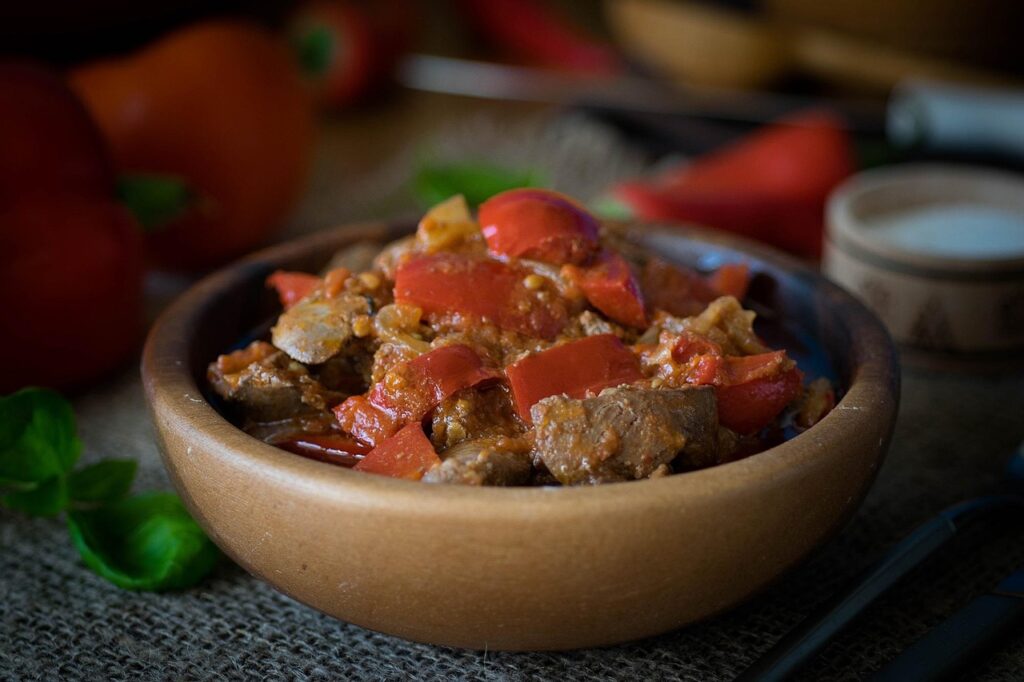
Liver
Quick answer
Liver is incredibly nutritious, but because it's packed with preformed vitamin A (retinol), it falls under a "caution" verdict during pregnancy. Occasional small amounts are generally fine, but large or frequent servings can exceed safe limits for you and your baby. SafeMom recommends enjoying liver with caution.
INCI name
Liver
Also known as
beef liver, chicken liver, pate
What is Liver?
Liver is wonderfully nutritious, but because it’s packed with preformed vitamin A, it’s best enjoyed in very small, occasional amounts during pregnancy to stay within safe limits.
What is Liver?
Liver, often referred to as organ meat, is truly a powerhouse of nutrition! It’s the liver from animals like beef or chicken, and it’s also the main ingredient in delicious pâté. Historically, liver has been prized for its rich concentration of essential nutrients, and it’s a staple in many cuisines around the world.
Think of it as nature’s super-supplement, packed with iron, B vitamins (especially B12 and folate), and a hefty dose of preformed vitamin A. While all these nutrients are vital for our health, it’s that last one – preformed vitamin A – that makes us pause and take a closer look during pregnancy.
Why Pregnant Women Ask About It
With all those fantastic nutrients, it’s no wonder pregnant mamas often hear about liver as a ‘superfood’ and wonder if they should be adding it to their diet. The desire to provide your growing baby with the best possible nutrition is completely natural, and liver certainly delivers on many fronts.
However, the incredible concentration of preformed vitamin A (also known as retinol) in liver is often the reason for questions. There’s a lot of information out there about vitamin A, and it can be confusing to distinguish between the beneficial kind found in carrots and the type that requires a bit more mindfulness during pregnancy.
What Research and Expert Consensus Say
The main reason liver carries a “caution” verdict during pregnancy is its exceptionally high content of preformed vitamin A. While vitamin A is absolutely crucial for healthy fetal development, vision, and immune function, there are two main types: preformed vitamin A (retinol), found in animal products like liver, and provitamin A carotenoids (like beta-carotene), found in plant foods such as carrots and sweet potatoes.
Your body is incredibly smart and can regulate how much provitamin A it converts into active vitamin A, making plant-based sources generally very safe. However, preformed vitamin A is immediately available to your body, and consuming very large or frequent amounts can lead to levels that exceed safe limits during pregnancy. This is why many prenatal vitamins contain provitamin A or a carefully measured amount of preformed vitamin A, and why adding a lot more from food sources like liver needs careful consideration.
Expert consensus suggests that while occasional, very small servings of liver are likely fine, it’s easy to overdo it. The key is moderation and being mindful of your total vitamin A intake from all sources, including supplements. The goal is to get enough, but not too much, preformed vitamin A.
Safer Alternatives to Use Instead
If you’re looking for nutrient powerhouses without the concern of excessive preformed vitamin A, there are plenty of wonderful options! For iron, which is vital during pregnancy, consider lean red meats, lentils, beans, spinach, and fortified cereals. These can help keep your energy up and support your blood volume.
For those essential B vitamins, including folate and B12, eggs, dairy products, whole grains, and leafy greens are fantastic choices. And for vitamin A in its safer, plant-based form, load up on colorful fruits and veggies like sweet potatoes, carrots, mangoes, and dark leafy greens. Your body will convert just what it needs!
How SafeMom Can Help
Understanding all your dietary choices is key to a comfortable pregnancy! While liver is a food, for any packaged foods, supplements, or skincare products you’re curious about, the SafeMom app is your go-to for a quick pregnancy-safety check. It’s like having a derm-savvy big sister right in your pocket!
FAQ
Can I eat pâté during pregnancy?
Pâté is often made from liver, so the same caution applies. It can be very high in preformed vitamin A, so it’s generally best to enjoy it only in very small, occasional amounts, if at all, during pregnancy.
What’s the difference between the vitamin A in liver and the vitamin A in carrots?
Great question! Liver contains preformed vitamin A (retinol), which your body uses directly. Carrots contain provitamin A carotenoids, like beta-carotene, which your body converts into vitamin A only as needed. Plant-based sources are generally considered very safe because your body regulates the conversion.
How much liver is considered too much during pregnancy?
It’s challenging to give an exact amount as it depends on your overall diet and supplement intake. However, most experts advise against large or frequent servings. Think very small, occasional portions rather than regular meals, to avoid exceeding safe limits for preformed vitamin A.
Are there other foods high in preformed vitamin A I should be cautious about?
While liver is the primary concern due to its extremely high concentration, other foods like fortified milk, eggs, and some dairy products also contain preformed vitamin A. However, their levels are significantly lower than liver, making liver the main ingredient to be mindful of for excessive intake.
SafeMom content is informational only and is not a substitute for medical advice. Always consult your healthcare provider before changing your routine during pregnancy. Scan any specific product in the SafeMom app for a complete pregnancy-safety check.
Related SafeMom Ingredient Guides
Trimester-specific note
The caution regarding liver and its high preformed vitamin A content applies throughout all trimesters of pregnancy. Maintaining appropriate vitamin A levels is important from conception through delivery.
When to talk to your OB
If you used a product containing Liver before learning you were pregnant, mention it at your next prenatal visit — but most topical cosmetic exposures are not a cause for panic. For prescription exposures or specific concerns, contact your OB or midwife directly.