
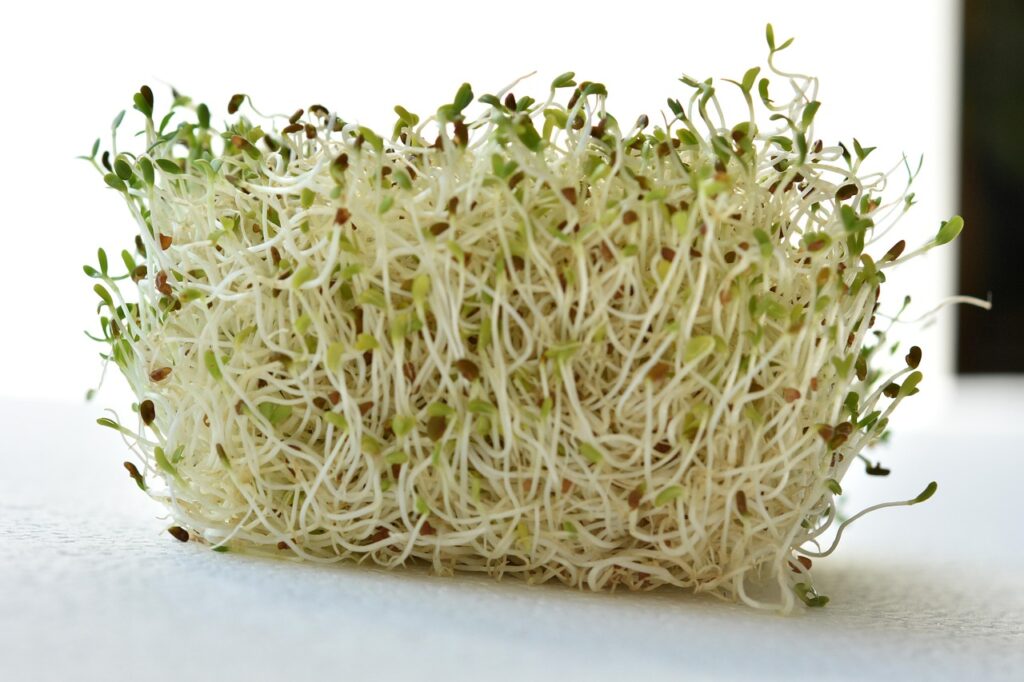
Raw Sprouts
Quick answer
When you're expecting, it's best to avoid raw sprouts like alfalfa, bean, and clover sprouts. The warm, humid conditions where sprouts grow can be a perfect breeding ground for bacteria, which is why the FDA advises pregnant women to skip them entirely. Always prioritize your health and your little one's well-being!
INCI name
Raw Sprouts
Also known as
alfalfa sprouts, bean sprouts, clover sprouts
What is Raw Sprouts?
Due to the potential for bacterial contamination, it’s advised to avoid raw sprouts during pregnancy.
What are Raw Sprouts?
Raw sprouts are those delightful little germinated seeds, like alfalfa, bean, clover, and radish sprouts, that often add a fresh, crunchy bite to salads, sandwiches, and wraps. They’re basically tiny plants in their very early growth stage, packed with nutrients and a vibrant, earthy flavor. Many people love them for their perceived health benefits and their ability to elevate a dish with a bit of green goodness.
Because they’re typically eaten raw or lightly cooked, sprouts maintain their crisp texture and fresh taste. You’ll find them in the produce section of most grocery stores, ready to be added to your favorite meals for an extra pop of texture and nutrition.
Why Pregnant Women Ask About Raw Sprouts
It’s totally understandable why you might be curious about raw sprouts during pregnancy! On one hand, they seem like such a healthy, fresh food choice, brimming with vitamins and minerals – exactly the kind of thing you want to be eating for you and your growing baby. On the other hand, navigating food safety during pregnancy can feel like a maze, and you’ve probably heard whispers or warnings about certain foods.
When you’re focused on making the best choices for your pregnancy, it’s natural to question anything that might carry even a slight risk. Sprouts are often grouped with foods that can be tricky due to potential bacterial contamination, leaving many expectant moms wondering if their favorite crunchy topping is still on the menu.
What Research and Expert Consensus Say
When it comes to raw sprouts, the consensus from health experts, including the FDA, is quite clear for pregnant women: it’s best to avoid them entirely. The main reason for this recommendation stems from the unique conditions required for sprouts to grow. Sprouts thrive in warm, humid environments, which, unfortunately, are also ideal breeding grounds for harmful bacteria like Salmonella, E. coli, and Listeria.
Even if sprouts look perfectly fresh and clean, bacteria can actually be found inside the seeds themselves, making them incredibly difficult to wash away. This means that simply rinsing sprouts under water isn’t enough to eliminate the risk. For pregnant women, who are more susceptible to foodborne illnesses and can experience more severe symptoms, this risk is simply not worth taking.
While thoroughly cooking sprouts can significantly reduce the risk of bacterial contamination by killing off potential pathogens, most people enjoy sprouts raw. Therefore, to err on the side of caution and protect both you and your baby, the advice is to skip raw sprouts during your pregnancy journey.
Safer Alternatives to Use Instead
Missing that satisfying crunch and fresh flavor of sprouts? Don’t worry, there are plenty of wonderful, pregnancy-safe alternatives that can bring similar texture and nutrition to your meals! Think about adding finely shredded carrots, crisp cucumber slices, or colorful bell peppers to your sandwiches and salads. These veggies offer a delightful crunch and a boost of vitamins without any of the concerns associated with raw sprouts.
You could also try shredded cabbage (red or green) for a hearty crunch or opt for a variety of leafy greens like spinach or mixed spring greens for a fresh, vibrant base. These options are not only delicious but also completely safe for you to enjoy throughout your pregnancy.
How SafeMom Can Help
Navigating food choices during pregnancy can sometimes feel overwhelming, but SafeMom is here to be your friendly guide! We empower you with clear, reliable information so you can make confident choices about what you eat. While we’ve covered raw sprouts here, we know you encounter many ingredients in your daily life.
Scan any specific product in the SafeMom app for a complete pregnancy-safety check.
Can I eat sprouts if they’re organic?
Unfortunately, being organic doesn’t eliminate the risk of bacterial contamination in raw sprouts. The growing conditions, not whether they are organic, are what create the perfect environment for bacteria to thrive. So, even organic raw sprouts should be avoided.
What if I accidentally ate raw sprouts?
First, don’t panic! It’s easy to accidentally consume something you’re trying to avoid. The most important thing is to monitor yourself for any symptoms of foodborne illness, such as fever, nausea, vomiting, or diarrhea. If you experience any concerning symptoms, contact your healthcare provider right away.
Is it okay if they’re cooked?
Yes, thoroughly cooked sprouts are generally considered safer. High heat can kill off harmful bacteria, significantly reducing the risk of foodborne illness. However, the recommendation to “avoid” applies specifically to *raw* sprouts, as cooking them changes their safety profile.
Are sprouts safe after pregnancy?
For healthy individuals who are not pregnant, raw sprouts are generally considered safe to consume. Once your pregnancy journey is complete, you can typically reintroduce raw sprouts into your diet if you wish.
SafeMom content is informational only and is not a substitute for medical advice. Always consult your healthcare provider before changing your routine during pregnancy. Scan any specific product in the SafeMom app for a complete pregnancy-safety check.
Related SafeMom Ingredient Guides
Trimester-specific note
The recommendation to avoid raw sprouts applies throughout all trimesters of pregnancy, as the risk of bacterial contamination remains consistent.
When to talk to your OB
If you used a product containing Raw Sprouts before learning you were pregnant, mention it at your next prenatal visit — but most topical cosmetic exposures are not a cause for panic. For prescription exposures or specific concerns, contact your OB or midwife directly.