
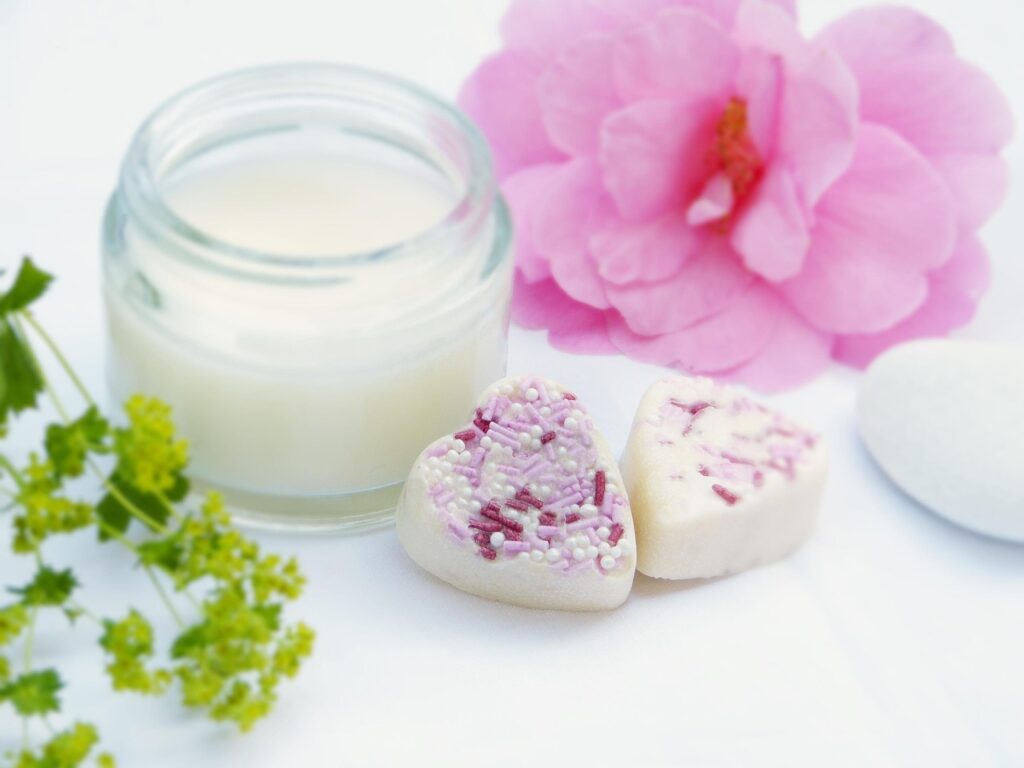
Shea Butter
Quick answer
Good news, Mama! Shea Butter is a generally safe and lovely ingredient to use throughout your pregnancy. This nourishing emollient has an excellent safety record and is a popular choice for keeping your skin soft and supple, especially for stretch mark care and dry skin.
INCI name
Shea Butter
Also known as
butyrospermum parkii
What is Shea Butter?
Shea Butter is considered generally safe for use during pregnancy, offering wonderful moisturizing benefits for your skin.
What is Shea Butter?
Shea Butter, also known by its botanical name butyrospermum parkii, is a rich, creamy fat extracted from the nuts of the African shea tree. It’s a natural wonder, beloved in the skincare world for its incredible moisturizing and emollient properties. Think of it as a big, comforting hug for your skin!
This natural ingredient is packed with fatty acids, like oleic and stearic acids, and vitamins A, E, and F. These components work together to help nourish your skin, creating a protective barrier that locks in moisture, promotes elasticity, and leaves your skin feeling wonderfully soft and smooth. It’s truly a multi-tasking hero for dry, stressed skin.
Why pregnant women ask about it
As your body beautifully transforms during pregnancy, your skin often goes through changes too. Dryness, itchiness, and the appearance of stretch marks become common concerns. Many mamas-to-be turn to natural, deeply moisturizing ingredients like Shea Butter for comfort and care.
Its reputation as a fantastic emollient and its long history of traditional use for skin health make it a popular choice for supporting skin elasticity and hydration, which are key during times of rapid skin stretching. It’s often found in belly balms and body creams specifically designed for pregnancy, making it a frequent topic of conversation in our SafeMom community.
What research and expert consensus say
When it comes to Shea Butter, the good news is that it boasts an excellent safety record. It’s a natural, plant-derived ingredient that has been used for centuries, both traditionally and in modern cosmetics, without widespread reports of concern regarding its use, even during pregnancy.
The consensus among dermatological experts and safety organizations is that Shea Butter is well-tolerated and poses a very low risk for most individuals. Its gentle nature and nourishing profile make it a go-to for sensitive skin, which can be particularly welcome during pregnancy when your skin might feel a little more reactive. While no ingredient can guarantee the complete prevention of stretch marks (genetics play a big role!), keeping your skin well-hydrated and supple with ingredients like Shea Butter is a wonderful way to support its health and resilience.
How to use it safely during pregnancy
Using Shea Butter during pregnancy is wonderfully straightforward! You can find it in many forms, from raw, unrefined butter to lotions, creams, and oils. Simply apply it generously to any areas needing extra love – your growing belly, hips, breasts, and thighs are common spots where skin can feel stretched and dry.
For best results, try applying Shea Butter after a shower or bath when your skin is still a little damp. This helps to lock in even more moisture. While it’s generally very gentle, if you have particularly sensitive skin or known allergies to tree nuts (though shea is considered a fruit nut and rarely causes allergic reactions in tree nut-allergic individuals), you might consider doing a patch test on a small area of skin first, just to be extra sure. But for most mamas, it’s a delightful and comforting addition to their routine!
How SafeMom can help
Feeling confident about your skincare choices during pregnancy is so empowering! While Shea Butter gets a big green light from us, knowing exactly what’s in all your other products can be tricky. That’s where SafeMom comes in! Simply scan any specific product in the SafeMom app for a complete, personalized pregnancy-safety check, helping you make informed decisions about your entire routine.
FAQ
Is Shea Butter good for stretch marks during pregnancy?
Shea Butter is a fantastic emollient that can help keep your skin deeply moisturized and supple, which is wonderful for supporting skin elasticity as your belly grows. While no ingredient can guarantee the prevention of stretch marks (genetics play a big part!), keeping your skin well-hydrated with Shea Butter is a lovely way to care for it.
Can Shea Butter cause allergies during pregnancy?
Shea Butter is generally very well-tolerated and rarely causes allergic reactions. It’s considered low-risk even for those with tree nut allergies, as the allergenic proteins in shea are different. However, if you have extremely sensitive skin or a history of allergies, a patch test is always a good idea before applying it widely.
Is unrefined Shea Butter better than refined during pregnancy?
Both unrefined and refined Shea Butter are generally safe for use during pregnancy. Unrefined Shea Butter retains more of its natural vitamins and nutrients and has a stronger, nutty scent. Refined Shea Butter is processed to remove impurities and scent, making it more neutral. Choose whichever you prefer based on texture, scent, and how your skin responds!
Can I use Shea Butter on other areas besides my belly during pregnancy?
Absolutely, Mama! Shea Butter is a wonderful all-over body moisturizer. Feel free to use it on dry hands, feet, elbows, knees, and any other areas that need extra hydration and nourishment. It’s a versatile ingredient that can bring comfort and softness wherever your skin needs it.
SafeMom content is informational only and is not a substitute for medical advice. Always consult your healthcare provider before changing your routine during pregnancy. Scan any specific product in the SafeMom app for a complete pregnancy-safety check.
Related SafeMom Ingredient Guides
Trimester-specific note
Shea Butter is a wonderful choice throughout all trimesters of pregnancy. Its benefits for skin hydration and elasticity are consistent from start to finish.
When to talk to your OB
If you used a product containing Shea Butter before learning you were pregnant, mention it at your next prenatal visit — but most topical cosmetic exposures are not a cause for panic. For prescription exposures or specific concerns, contact your OB or midwife directly.