
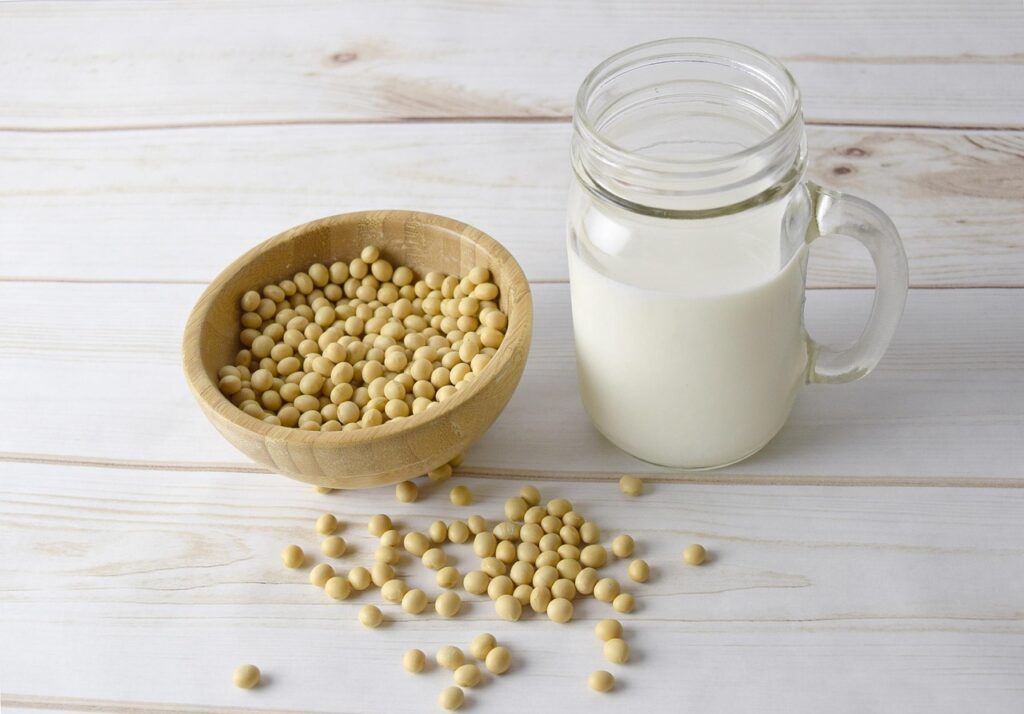
Soy
Quick answer
Soy in skincare is generally considered low-risk during pregnancy, but we recommend caution. Its phytoestrogens might have hormonal activity at very high concentrations, though typical topical cosmetic use involves minimal absorption. Always check product specifics with the SafeMom app.
INCI name
Soy
Also known as
soy isoflavones, soy extract
What is Soy?
Soy is generally considered low-risk in topical skincare during pregnancy, but its phytoestrogens might have hormonal activity at very high concentrations, leading us to recommend caution.
What is Soy?
Soy, often appearing in ingredient lists as soy isoflavones or soy extract, comes from the humble soybean plant. In the world of skincare, it’s celebrated for its potential to offer a range of benefits. Think antioxidants that help protect your skin, moisturizing properties that keep it feeling supple, and even a brightening effect for a lovely glow. It’s a popular botanical extract that often finds its way into serums, creams, and lotions.
The star players in soy that get a lot of attention are compounds called phytoestrogens. These are plant-derived substances that can interact with estrogen receptors in the body, much like a very gentle, plant-based mimic of our body’s own estrogen. While they’re not true hormones, their ability to “talk” to our cells is what makes them so interesting – and sometimes, a topic of discussion during pregnancy!
Why pregnant women ask about it
When you’re expecting, every ingredient that touches your skin suddenly feels like it needs a thorough vetting, and rightly so! With soy, the buzz often centers around those phytoestrogens. Knowing that these compounds can have a mild hormonal activity, it’s completely natural to wonder if they could potentially influence your growing baby or your own delicate hormonal balance during pregnancy. You’re looking out for your little one, and that’s what SafeMom is here to help you do!
What research and expert consensus say
When it comes to topical soy during pregnancy, the consensus leans towards a “Use with Caution” verdict. The primary rationale for this is the theoretical concern that phytoestrogens in soy *may* have hormonal activity, particularly at high concentrations. However, it’s important to differentiate between dietary intake and topical application. Most topical cosmetic use is generally considered low-risk because the amount of soy absorbed through the skin is typically very small.
The vast majority of skincare products contain soy extracts in concentrations that are unlikely to lead to significant systemic absorption or hormonal effects. The skin acts as a pretty good barrier, and only a fraction of what you apply topically actually makes it into your bloodstream. Concerns are largely theoretical and often stem from studies involving very high dietary intake of soy, which is a different ballgame entirely from a dab of serum on your face.
So, while the potential for hormonal activity at *high concentrations* is noted, the typical use of soy in your favorite skincare products is generally considered to involve concentrations that are not high enough to warrant significant concern. We lean on the side of caution to empower you with full information, but it’s reassuring to know that the risk from topical application is considered minimal by many experts.
Safer alternatives to use instead
If you’re looking for ingredients with similar benefits to soy but want to err on the side of extra caution, you have some wonderful options! For antioxidant power and brightening, Vitamin C and Niacinamide are fantastic, pregnancy-safe choices that can help even out skin tone and boost radiance.
For hydration and skin soothing, Hyaluronic Acid is a superstar that locks in moisture, keeping your skin plump and happy. And for another dose of antioxidant goodness, Green Tea Extract is a lovely, gentle ingredient that can help calm and protect your skin. These alternatives offer great results without the specific phytoestrogen consideration of soy.
How SafeMom can help
Navigating skincare ingredients during pregnancy can feel like a maze, but SafeMom is here to be your trusty guide! Every product formulation is unique, and sometimes the concentration or specific form of an ingredient can make a difference. That’s why we encourage you to scan any specific product you’re curious about in the SafeMom app. Our app delves into the full ingredient list to provide you with a comprehensive, personalized pregnancy-safety check, helping you make informed decisions with confidence and peace of mind.
FAQ
Is soy in food safe during pregnancy?
While our focus here is on topical skincare, it’s worth noting that dietary soy (like tofu or soy milk) is generally considered safe in moderation during pregnancy. The way our bodies process soy from food is different from how it interacts with our skin, and the concentrations are often much higher in food products. Always discuss your dietary choices with your healthcare provider.
Can soy in skincare cause hormonal issues for my baby?
The concern about hormonal effects from topical soy is largely theoretical and relates to very high concentrations of phytoestrogens. In typical cosmetic use, the amount of soy absorbed through the skin is considered minimal, and the likelihood of it causing significant hormonal issues for your baby is considered low. Our “caution” verdict is a proactive measure.
What about soy ferments or derivatives in skincare?
Soy ferments, like fermented soy extract, are also derived from soy and contain similar compounds, including phytoestrogens. Therefore, the same “Use with Caution” verdict would generally apply to these derivatives due to the underlying rationale. Always scan the specific product in the SafeMom app for detailed information.
How much soy is “too much” in skincare during pregnancy?
There isn’t a universally defined “too much” threshold for topical soy because absorption varies greatly by product, skin type, and application area. The “caution” verdict acknowledges the theoretical possibility of hormonal activity at very high concentrations. For peace of mind, sticking to products with lower concentrations or opting for alternatives can be a good approach, and the SafeMom app can help you assess individual products.
SafeMom content is informational only and is not a substitute for medical advice. Always consult your healthcare provider before changing your routine during pregnancy. Scan any specific product in the SafeMom app for a complete pregnancy-safety check.
Related SafeMom Ingredient Guides
Trimester-specific note
There is no specific evidence to suggest that the timing of soy use in skincare matters more during one trimester over another. The general caution remains consistent throughout pregnancy.
When to talk to your OB
If you used a product containing Soy before learning you were pregnant, mention it at your next prenatal visit — but most topical cosmetic exposures are not a cause for panic. For prescription exposures or specific concerns, contact your OB or midwife directly.