
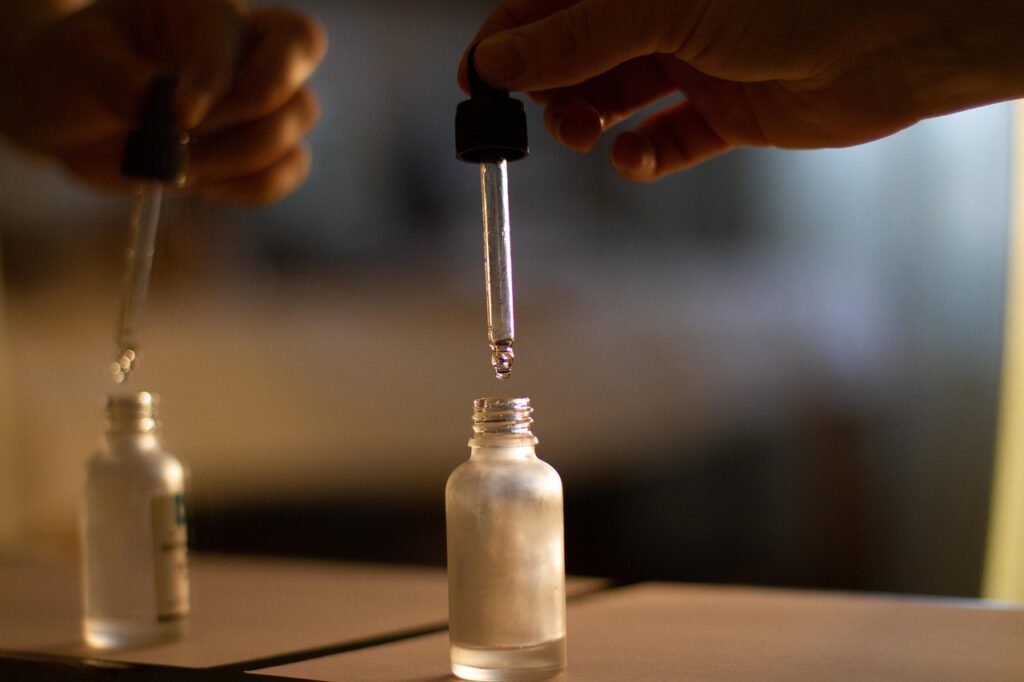
Squalane
Quick answer
Squalane is considered generally safe for use during pregnancy. This lightweight, stable moisturizing oil is naturally found in your skin and is a wonderful choice for hydration. As always, SafeMom provides informational content, not medical advice.
INCI name
Squalane
Also known as
squalene
What is Squalane?
Squalane is a wonderful, naturally occurring moisturizer that’s considered very safe to use throughout your pregnancy.
What is Squalane?
Squalane (sometimes confused with its natural precursor, squalene) is a superstar emollient in the skincare world. It’s a lipid, which means it's a type of fat, and it's incredibly similar to the natural oils your own skin produces. While squalene is naturally found in plants like olives, sugarcane, and even our own bodies, squalane is the hydrogenated, more stable form, making it perfect for use in skincare products without oxidizing.
This lightweight, non-comedogenic oil is celebrated for its ability to provide deep hydration without feeling heavy or greasy. It mimics your skin's natural sebum, helping to replenish the skin's barrier and prevent moisture loss. Squalane is suitable for all skin types, including sensitive, acne-prone, and mature skin, leaving it feeling soft, supple, and smooth.
Why pregnant women ask about it
It's totally natural to become a super-sleuth when it comes to ingredients during pregnancy! With so many changes happening in your body, and a heightened awareness of what you're putting on your skin, questions about seemingly innocuous ingredients like squalane are common. Even though it's naturally occurring, the term 'oil' can sometimes raise concerns about pore-clogging or whether it might be absorbed into the bloodstream. Thankfully, with squalane, these worries can usually be put to rest.
What research and expert consensus say
The great news is that squalane is considered generally safe for use throughout pregnancy. Its stability and non-irritating nature make it a fantastic choice for hydrating your skin. Because squalane is so similar to the lipids already present in your skin's natural barrier, it's exceptionally well-tolerated and rarely causes adverse reactions.
Unlike some ingredients that might have concerns about systemic absorption or potential impact on fetal development, squalane primarily acts on the skin's surface. It works to enhance the skin's barrier function and provide moisture without penetrating deeply enough to raise any red flags for pregnancy safety. Its molecular structure makes it an unlikely candidate for systemic effects.
Expert consensus leans towards squalane being a very low-risk ingredient during pregnancy. It's often recommended by dermatologists for individuals with sensitive or reactive skin, which can be a common experience during pregnancy. You can feel confident incorporating this gentle hydrator into your routine.
How to use it safely during pregnancy
Incorporating squalane into your pregnancy skincare routine is wonderfully straightforward! You can use it as a standalone facial oil, add a few drops to your favorite moisturizer for an extra hydration boost, or even use it on your body and hair. Apply it to clean, slightly damp skin to help lock in moisture, typically after water-based serums but before heavier creams.
While squalane itself is generally safe, remember that it often comes as part of a larger product formulation. Always take a moment to check the full ingredient list of any product you're considering using. And as a good practice, especially with new products during pregnancy, a patch test on a small area of skin (like behind your ear or inner arm) is always a smart move to ensure no personal sensitivities.
How SafeMom can help
Feeling overwhelmed by ingredient lists and pregnancy safety? The SafeMom app is here to help! Simply scan any product's ingredient list, and we'll break down the pregnancy safety of each component, giving you peace of mind so you can focus on what truly matters.
Frequently Asked Questions
Is squalane the same as squalene?
Yes, almost! Squalene is naturally produced by our bodies and found in plants. Squalane is the hydrogenated, more stable form of squalene, making it better for skincare products. Both are fantastic moisturizers!
Can squalane help with pregnancy skin changes?
Absolutely! Pregnancy can bring dryness, increased sensitivity, or even breakouts. Squalane's gentle, deeply moisturizing properties can help soothe and hydrate your skin, supporting its natural barrier without feeling heavy or clogging pores.
Is plant-derived squalane better than animal-derived?
For ethical and sustainability reasons, most modern skincare uses plant-derived squalane (from sources like olives or sugarcane). Both forms are chemically identical and offer the same skin benefits, but plant-derived is generally the preferred and more common option today.
Can I use squalane with other pregnancy-safe ingredients?
Yes, squalane plays well with almost everything! It's a wonderful base or addition to routines featuring other pregnancy-safe heroes like hyaluronic acid, vitamin C (in safe forms), or niacinamide. It helps to seal in moisture and enhance the benefits of other products.
SafeMom content is informational only and is not a substitute for medical advice. Always consult your healthcare provider before changing your routine during pregnancy. Scan any specific product in the SafeMom app for a complete pregnancy-safety check.
Related SafeMom Ingredient Guides
Trimester-specific note
Squalane is considered safe for use throughout all trimesters of pregnancy. Its gentle and non-irritating nature means there are no specific timing concerns.
When to talk to your OB
If you used a product containing Squalane before learning you were pregnant, mention it at your next prenatal visit — but most topical cosmetic exposures are not a cause for panic. For prescription exposures or specific concerns, contact your OB or midwife directly.