
Navigating the world of pregnancy means becoming a super-sleuth for all things safe and sound for you and your little one. From skincare to prenatal vitamins, you’re making smart, informed choices every day. When it comes to what’s on your plate, one topic that often pops up is Listeria pregnancy food safety. It might sound a little intimidating, but think of it as empowering yourself with knowledge to keep your meals delicious and worry-free!
Here at SafeMom, we’re all about giving you the insights you need to feel confident and calm. Let’s break down what Listeria is, why it’s something to be mindful of during pregnancy, and how you can easily make smart food choices without sacrificing your culinary joy.
Understanding Listeria: What It Is & Why It Matters for You
Listeria monocytogenes is a type of bacteria that can be found in soil, water, and animal feces. It’s pretty common, but most healthy adults can handle it without any issues. However, during pregnancy, your immune system naturally shifts to protect your baby, which can make you more susceptible to certain infections, including listeriosis (the illness caused by Listeria).
While listeriosis is relatively rare, it can be more serious for pregnant women and their babies. For moms-to-be, symptoms might be mild and flu-like, or sometimes there are no symptoms at all! But for your growing little one, Listeria can potentially lead to more serious complications, like miscarriage, preterm labor, or infection in the newborn. Don’t worry, though! By understanding where Listeria can hide and taking simple precautions, you’re already doing a fantastic job of protecting yourself and your baby.
Foods to Be Extra Mindful Of During Pregnancy (And Why!)
The good news is that most foods are perfectly safe to enjoy during pregnancy. However, some foods are more likely to harbor Listeria and allow it to grow, even in the refrigerator. Being aware of these helps you make informed choices:
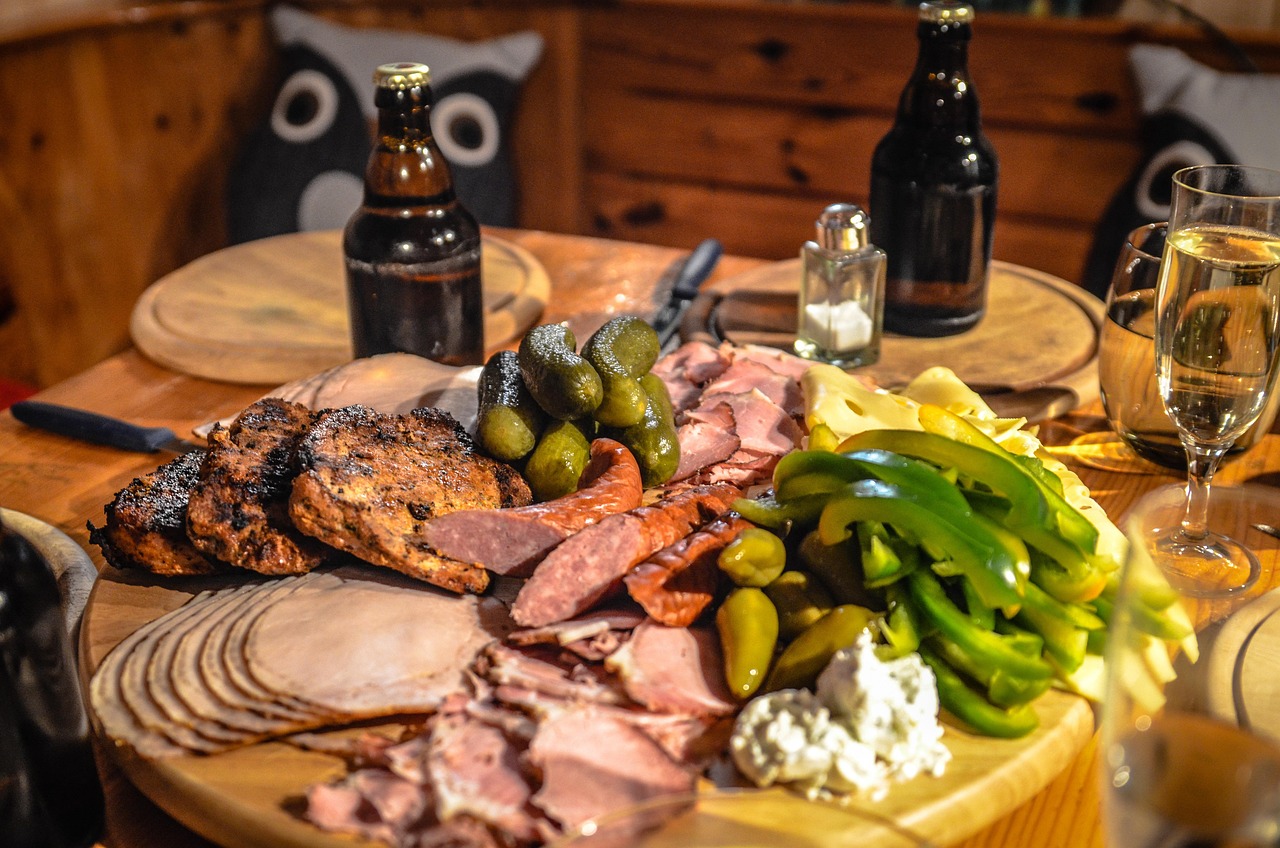
- Deli Meats & Hot Dogs: Think cold cuts, luncheon meats, and hot dogs. Listeria can sometimes contaminate these foods after they’ve been cooked and before packaging. The good news? You can still enjoy them! Just make sure to heat them until they are steaming hot (165°F or 74°C) before eating.
- Soft Cheeses: This is where the “pasteurized” label becomes your best friend! Soft cheeses like feta, Brie, Camembert, blue cheese, and queso fresco can sometimes be made with unpasteurized milk, which is a no-go during pregnancy. Always check labels for “made with pasteurized milk.” Hard cheeses (like cheddar or Swiss), semi-soft cheeses (like mozzarella), and processed cheeses are generally safe.
- Smoked Seafood: Refrigerated smoked seafood, like lox, jerky, or nova-style salmon, can be a risk. If it’s canned or shelf-stable, it’s typically fine. If you love smoked salmon, opt for it cooked in a casserole or on a pizza!
- Unpasteurized Milk & Products: Raw milk and products made from it (like some yogurts or cheeses) can carry Listeria. Always choose pasteurized dairy products.
- Pâté & Meat Spreads: Refrigerated pâtés or meat spreads can also be a concern. Again, the canned or shelf-stable varieties are generally considered safe.
- Pre-made Salads: Think deli-style salads like coleslaw, potato salad, or ham salad that have been sitting out or prepared in advance. It’s generally best to avoid these or ensure they are fresh and from a trusted source with good turnover.
- Melons: Pre-cut melon (like cantaloupe or watermelon) can sometimes be a culprit if not handled properly. The bacteria can transfer from the rind to the flesh when cut. It’s best to wash whole melons thoroughly before cutting them yourself.
- Raw Sprouts: Alfalfa, clover, radish, and mung bean sprouts can be tricky because bacteria can get into the seeds before they even sprout. It’s generally recommended to avoid eating raw sprouts during pregnancy. Cooking them thoroughly can make them safer.
Smart Kitchen Habits: Your Guide to Food Safety
Beyond specific foods, your everyday kitchen practices are powerful tools in preventing Listeria and other foodborne illnesses. Think of it as your “Clean, Separate, Cook, Chill” mantra:
- Clean: Always wash your hands with soap and warm water before and after handling food. Wash cutting boards, dishes, utensils, and countertops with hot, soapy water after preparing each food item. Rinse fresh fruits and vegetables under running water before eating, cutting, or cooking, even if you plan to peel them.
- Separate: Keep raw meat, poultry, seafood, and eggs separate from ready-to-eat foods in your grocery cart, refrigerator, and when preparing meals. Use separate cutting boards for raw meats and produce.
- Cook: Use a food thermometer to ensure foods are cooked to a safe internal temperature. Reheat leftovers thoroughly to 165°F (74°C).
- Chill: Refrigerate perishable foods promptly – within two hours of cooking or buying. Keep your refrigerator temperature at or below 40°F (4°C) and your freezer at 0°F (-18°C). Thaw frozen food in the refrigerator, not on the counter.
- Check Dates: Pay attention to “use by” dates on food packaging. When in doubt, throw it out!
Spotting the Signs: What to Look For
Symptoms of listeriosis can be mild and often mimic the flu, which is why it can sometimes be hard to spot. They can appear anywhere from a few days to several weeks after eating contaminated food. Watch out for:
- Fever
- Muscle aches
- Fatigue
- Nausea
- Vomiting
- Diarrhea
For some, symptoms might be more severe, including headache, stiff neck, confusion, or convulsions. Remember, the main concern with Listeria pregnancy isn’t just how mom feels, but the potential impact on baby.
When to Connect with Your Healthcare Provider
If you suspect you might have been exposed to Listeria, or if you develop flu-like symptoms (especially fever) during pregnancy, it’s always a good idea to reach out to your healthcare provider. Don’t hesitate or feel like you’re overreacting. They can assess your situation and recommend any necessary steps, like testing or treatment. Early detection and treatment can make a big difference.
Keeping Your Plate Safe & Sound: A Quick Recap
Making smart food choices during pregnancy is all about empowering yourself with knowledge, not fear! You’re already doing an amazing job by being mindful of what you eat. To recap:
- Be aware of higher-risk foods like unpasteurized soft cheeses, deli meats (unless heated), and raw sprouts.
- Practice excellent kitchen hygiene: clean, separate, cook, and chill.
- If you feel unwell or suspect exposure, connect with your healthcare provider.
Enjoy your meals, mama! You’ve got this. And while you’re making smart food choices, don’t forget to give your skincare routine a quick scan in the SafeMom app too – we’re here to help you make informed choices for all aspects of your pregnancy journey!
*SafeMom is informational, not medical advice — check with your provider.*