Eating for Two: Making Smart Food Choices During Pregnancy
Welcome to the beautiful journey of pregnancy, mama! As your body works its magic, what you nourish it with becomes even more important. It’s not just about “eating for two” in terms of quantity, but more about making smart, nutrient-dense choices that support both you and your growing little one. Navigating the world of food during pregnancy can sometimes feel like solving a puzzle, especially with so much information out there. That’s why we’re here to help you understand the ins and outs of pregnancy food safety, empowering you to make confident and joyful choices for a healthy pregnancy. Think of us as your derm-savvy big sister, here to share the scoop on smart eating!
Your Pregnancy Plate: Foods to Love & Lean On
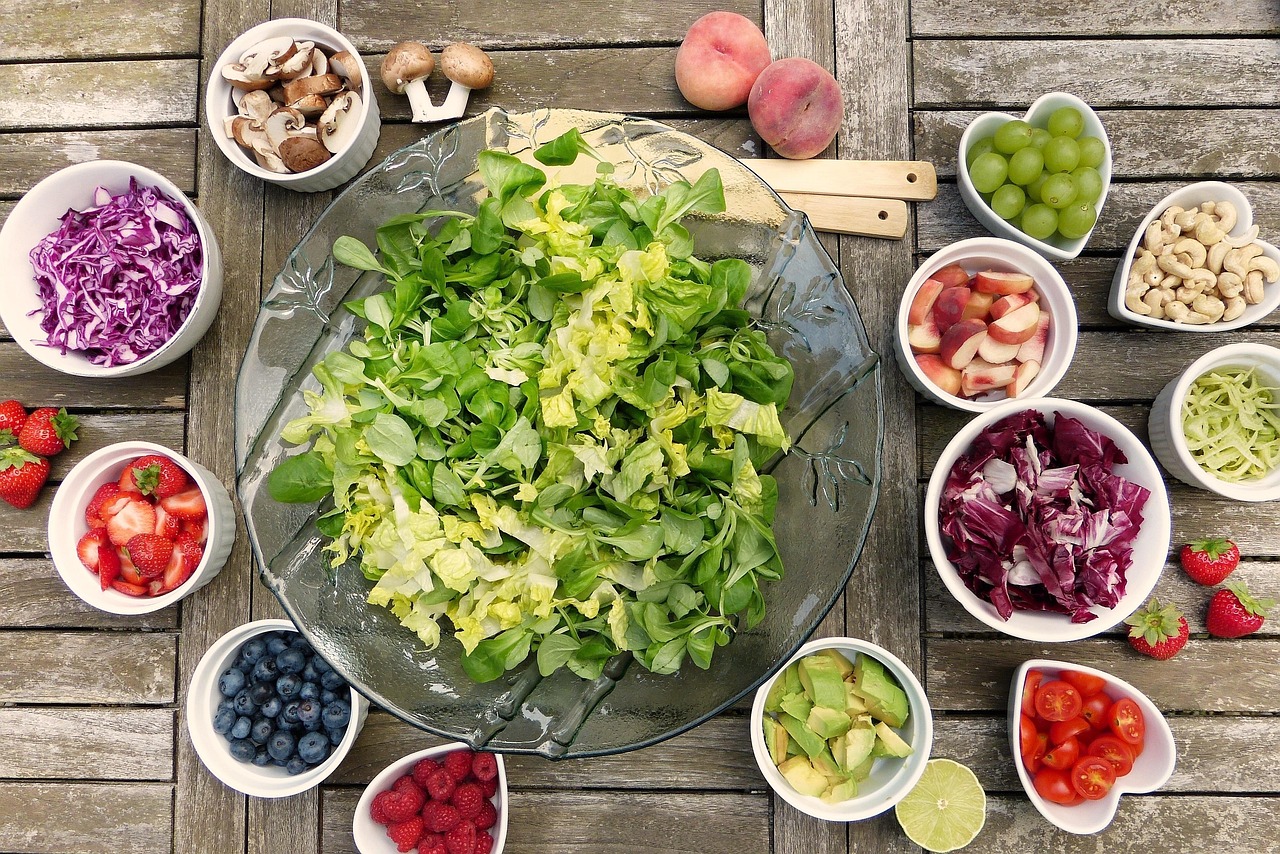
Let’s start with all the amazing foods you can absolutely embrace during pregnancy! Building a colorful and varied plate is key to getting the vitamins, minerals, and energy you both need.
- Fruits and Veggies Galore: Load up on a rainbow of fresh produce! They’re packed with essential vitamins, fiber, and antioxidants. Think leafy greens, berries, oranges, sweet potatoes, and avocados. Wash them thoroughly before eating.
- Whole Grains for Energy: Opt for whole-wheat bread, brown rice, oats, quinoa, and whole-grain pasta. They provide sustained energy and fiber, which can help with common pregnancy discomforts like constipation.
- Lean Proteins for Growth: Protein is crucial for your baby’s development. Include lean meats (well-cooked!), poultry, fish (low-mercury options), eggs, beans, lentils, tofu, and nuts.
- Dairy & Calcium Boosters: Pasteurized milk, yogurt, and cheese are excellent sources of calcium for strong bones and teeth. If you’re lactose intolerant, look for fortified plant-based milks or other calcium-rich foods like leafy greens.
- Healthy Fats: Don’t shy away from healthy fats found in avocados, nuts, seeds, and olive oil. They’re important for brain development and nutrient absorption.
Variety is the spice of life, and it’s also key to getting a broad spectrum of nutrients. Listen to your body, and enjoy the foods that make you feel good!
Navigating the “Maybe Later” List: Foods to Approach with Care
While there’s so much to enjoy, a few foods require a little more thought or should be approached with care during pregnancy. This isn’t about fear, but about making informed choices to minimize potential risks.
- Unpasteurized Products: This includes unpasteurized milk, cheeses (like soft cheeses such as Brie, feta, blue cheese, unless labeled pasteurized), and juices. Pasteurization helps eliminate harmful bacteria. Always check labels to ensure dairy products are pasteurized.
- Certain Fish: Fish is fantastic for omega-3s, but some types can be high in mercury. It’s generally advised to limit or avoid large predatory fish like shark, swordfish, king mackerel, and tilefish. Opt for low-mercury options like salmon, canned light tuna (in moderation), cod, and shrimp.
- Raw or Undercooked Meats, Poultry, and Seafood: To avoid bacteria like Listeria or Toxoplasma, ensure all meats, poultry, and seafood are cooked thoroughly to their recommended internal temperatures. This includes deli meats – if you choose to eat them, heat them until steaming hot. Raw sushi with cooked fish or vegetarian options are usually fine, but raw fish sushi is typically advised to be avoided.
- Raw Eggs: Dishes containing raw or lightly cooked eggs (like homemade Caesar dressing, hollandaise sauce, or raw cookie dough) should be approached with care due to the risk of Salmonella. Opt for pasteurized eggs or thoroughly cooked alternatives.
- Unwashed Produce: Always wash fruits and vegetables thoroughly, even if they’re pre-packaged or you plan to peel them.
- Excess Caffeine: While a little caffeine is generally considered okay for most pregnant people, it’s often recommended to keep intake moderate – typically under 200 mg per day, which is about one 12-ounce cup of coffee.
- Alcohol: Most health organizations advise avoiding alcohol entirely during pregnancy.
When in doubt, it’s always a good idea to chat with your healthcare provider about specific food concerns.
Decoding Food Labels: Becoming an Ingredient Investigator
In today’s world, many of us are becoming savvier about what’s in our food, and pregnancy is a great time to truly hone your ingredient-investigating skills! When you pick up a packaged food item, take a moment to look beyond the front-of-package claims.
Focus on the ingredient list and the nutritional information panel. While we can’t give specific verdicts on every food ingredient here (that’s a job for your provider!), being aware of things like excessive added sugars, sodium, or artificial additives can help you make more wholesome choices. For example, if you’re looking at a salad dressing, you might notice ingredients like hydrogenated oils or high fructose corn syrup, which you might prefer to minimize.
It’s all about empowering yourself with knowledge! If you’re ever scratching your head over a specific ingredient in a packaged product, remember you have tools at your fingertips.
Your Pocket Pal: How SafeMom Helps with Food Ingredient Checks
Feeling a little overwhelmed by all the labels and lists? Don’t worry, mama, that’s what SafeMom is for! While our app is a superstar for checking skincare ingredients, it can also be a helpful companion for those times you’re curious about ingredients in packaged food products. If you’re looking at a snack or a pre-made meal and see an ingredient you’re unsure about, you can use the SafeMom app to quickly scan the product. It’s like having a knowledgeable friend in your pocket, ready to help you investigate. We’re all about giving you the confidence to make the best choices for you and your baby.
Beyond the Kitchen: Smart Eating When You’re Out & About
Eating out or attending social gatherings during pregnancy can be fun, but it also calls for a little extra awareness regarding pregnancy food safety.
- Ask Questions: Don’t hesitate to ask your server how food is prepared, especially if you’re concerned about raw ingredients or cooking temperatures. For example, ask if eggs are pasteurized or if deli meats are heated.
- Cooked Thoroughly: Ensure any meat, poultry, or fish you order is cooked through. If you prefer your steak rare, this might be a time to opt for medium-well or well-done.
- Salad Savvy: Enjoy salads, but make sure they come from a reputable place where produce is likely washed well. Consider avoiding salad bars where food might sit out for extended periods.
- Buffet Caution: Buffets can be tricky. Look for hot foods that are kept hot and cold foods that are kept cold. Avoid anything that looks like it’s been sitting at room temperature for too long.
- Cross-Contamination: Be mindful of potential cross-contamination. For example, make sure your burger isn’t sharing a plate with raw garnishes or that separate utensils are used.
You’ve got this, mama! Making smart food choices during pregnancy is a beautiful way to nurture yourself and your little one. Approach your plate with confidence, curiosity, and a little help from SafeMom, and you’ll be well on your way to a healthy and happy journey.
SafeMom is informational, not medical advice — check with your provider.