
Raw Sprouts During Pregnancy: The Full Safety Breakdown Moms Ask About
Hey mama-to-be! Navigating all the wonderful changes and new considerations during pregnancy can feel like a full-time job, especially when it comes to what you eat. You’re doing an amazing job staying informed, and if you’ve been wondering about raw sprouts during pregnancy: the full safety breakdown moms ask about, you’ve come to the right place. It’s a common question, and we’re here to give you the lowdown with our usual warm, reassuring, and knowledgeable SafeMom approach.
You might be used to tossing crunchy sprouts into your salads, sandwiches, or even your morning smoothie, seeing them as a healthy addition. But during pregnancy, some of those seemingly innocent healthy habits need a little extra thought. Let’s dive into why sprouts might be on your “check twice” list.
What Are Raw Sprouts, Anyway? (And Where Do They Show Up?)
First off, let’s get clear on what we’re talking about. Raw sprouts are essentially germinated seeds or beans. Think of them as tiny plants that are just beginning to grow. Common varieties you’ll spot in the grocery store or on restaurant menus include:
* Alfalfa sprouts
* Clover sprouts
* Radish sprouts
* Mung bean sprouts
* Broccoli sprouts
* Soybean sprouts
They’re often celebrated for their nutrient content, offering vitamins, minerals, and fiber in a compact package. Because of their mild flavor and satisfying crunch, you’ll find them in all sorts of dishes, like:
* Piled high on deli sandwiches and wraps
* Mixed into fresh salads
* Garnishing stir-fries (sometimes added raw at the end)
* Blended into green smoothies
* Used in various Asian cuisines, often fresh
* As a fresh, crunchy topping for tacos or grain bowls
So, they’re pretty ubiquitous in the healthy food scene!
Raw Sprouts During Pregnancy: Understanding the Considerations
Alright, let’s get to the heart of the matter. When it comes to raw sprouts during pregnancy, understanding the food safety considerations is key. While SafeMom focuses on skincare ingredients, we know you’re curious about food too! Many health organizations advise caution or suggest avoiding raw sprouts during pregnancy due to potential foodborne illness risks.
Now, before you feel any panic, let’s unpack *why* this advice exists. It’s not about the sprouts themselves being inherently “bad.” It’s about the unique environment in which they’re grown and the potential for a particular type of bacterial growth that can be especially concerning during pregnancy.
Understanding the “Why”: A Closer Look at the Concerns
The primary reason for exercising caution with raw sprouts boils down to food safety. Sprouts are grown in warm, humid conditions – environments that are, unfortunately, also perfect breeding grounds for certain types of bacteria. These bacteria can include:
* ***Salmonella***: A common cause of food poisoning.
* ***E. coli***: Another well-known culprit behind foodborne illness.
* ***Listeria monocytogenes***: This one is particularly concerning for pregnant women.
Here’s the tricky part: these bacteria can actually get into the sprout seeds themselves, making it incredibly difficult to wash them off once they start growing. Even sprouts that are grown organically or at home carry this risk because the issue isn’t typically about pesticides or cleanliness of the facility, but rather the warm, moist conditions necessary for germination.
While most healthy adults can usually bounce back from a bout of food poisoning, pregnancy changes your immune system, making you more vulnerable to certain infections. If you get sick from one of these bacteria, it could potentially lead to more severe illness for you and, in rare cases, could pose a risk to your baby. We’re talking about a “better safe than sorry” approach here, to minimize any avoidable risks during this special time.
Practical Guidance for Pregnant Moms
So, what do these food safety considerations mean for your everyday choices?
1. Consider Skipping Raw Sprouts: Due to the potential for bacterial contamination, many health organizations recommend that pregnant women avoid raw sprouts. This means it’s generally advised to skip raw alfalfa, clover, radish, mung bean, broccoli, or any other type of raw sprout in salads, sandwiches, wraps, and as garnishes.
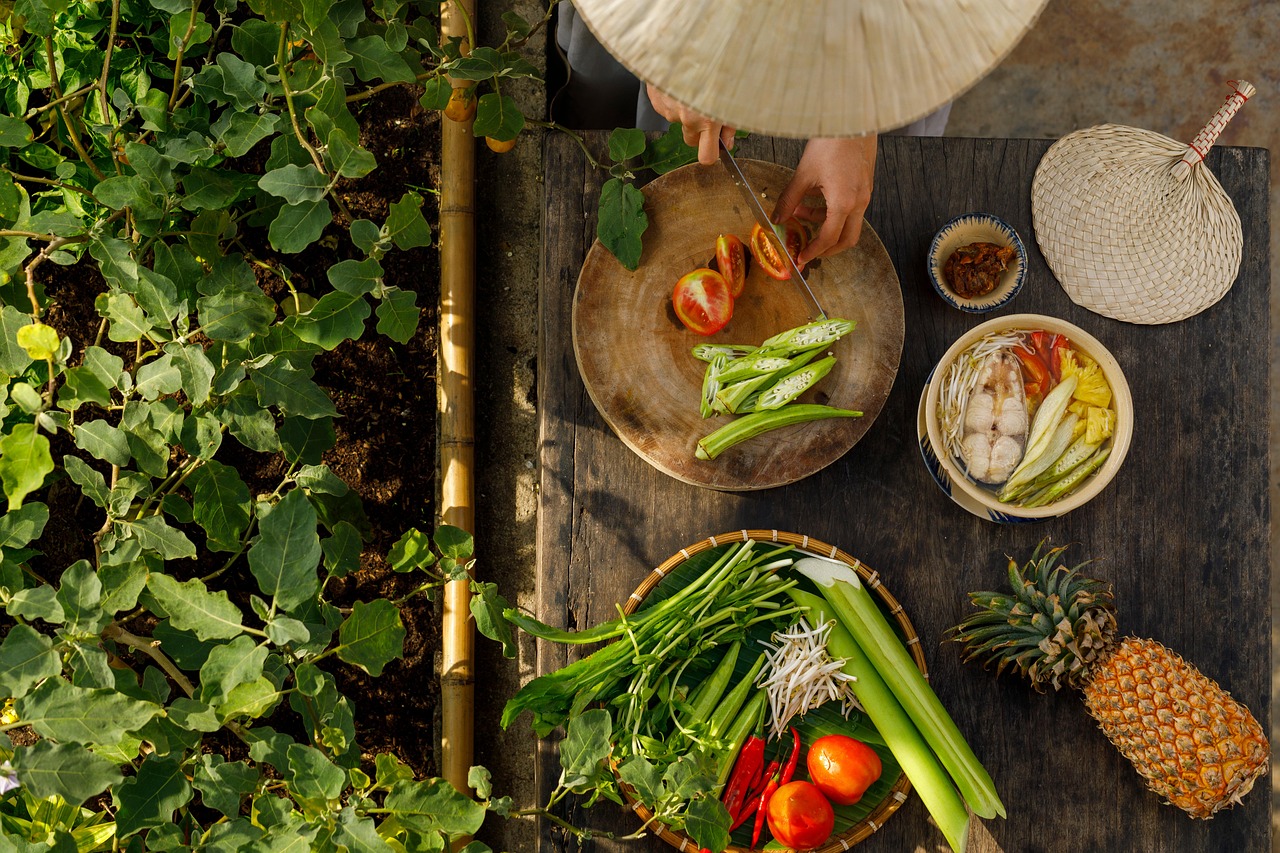
2. What About Cooked Sprouts? Great question! The good news is that thorough cooking generally kills harmful bacteria. So, if you’re having a stir-fry, soup, or any dish where sprouts are cooked until they are steaming hot and tender, they are generally considered safe. Just make sure they’re not merely warmed, but truly cooked through.
3. Don’t Confuse with Sprouted Grains or Legumes: This is an important distinction! The caution applies specifically to *raw* sprouts. Many “sprouted” products, like sprouted grain breads or sprouted flours, undergo significant processing (like baking or drying) that eliminates the bacterial risk associated with raw sprouts. These are typically fine. When in doubt, always check the product’s preparation and if it’s meant to be consumed raw.
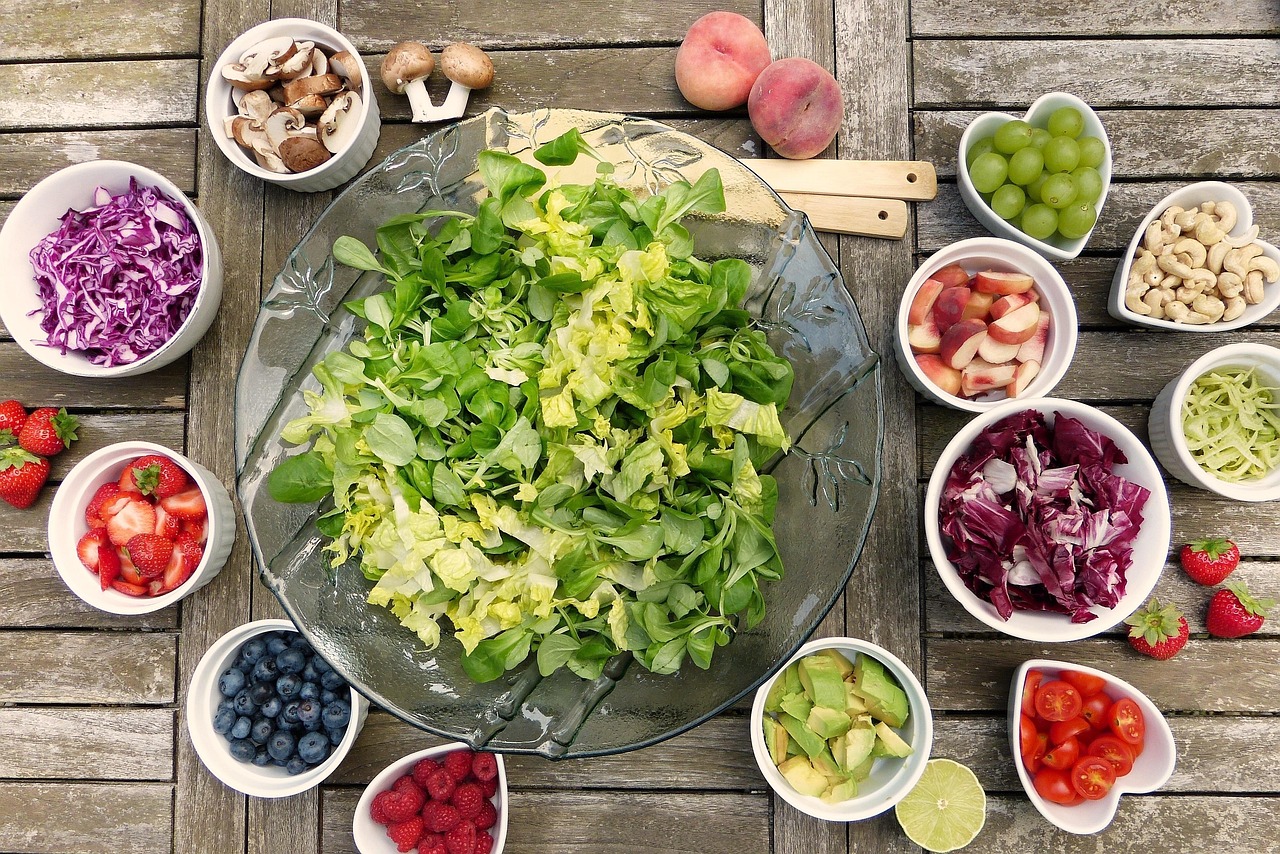
4. Crunchy Alternatives: Missing that satisfying crunch and nutrient boost? There are plenty of pregnancy-safe alternatives! Think shredded carrots, finely sliced cabbage, crisp lettuce, bell peppers, or even thinly sliced cucumber. These offer similar textures and a wealth of nutrients without the specific raw sprout risk.
Your SafeMom App is Your Friend!
We know that deciphering all the dos and don’ts of pregnancy can feel overwhelming. That’s exactly why we created the SafeMom app – to be your trusty sidekick! If you ever find yourself wondering about a specific food item, ingredient, or product, remember your SafeMom app is always ready to help. A quick scan can give you peace of mind and clear, reliable information right at your fingertips.
The Takeaway for Raw Sprouts During Pregnancy
The bottom line is that while raw sprouts are often seen as a health food, their unique growing conditions mean they can carry a higher risk of bacterial contamination that’s particularly relevant during pregnancy. By understanding the food safety considerations around raw sprouts and opting for thoroughly cooked versions or other crunchy veggies, you’re making a simple, informed choice to support a healthy pregnancy. You’re doing great, mama!
SafeMom is informational, not medical advice — check with your provider.