
Zinc Oxide
Mineral UV filter. The preferred pregnancy-safe sunscreen ingredient. FDA-designated GRASE with negligible systemic absorption.
Quick answer
Zinc oxide is the preferred pregnancy-safe sunscreen active. It’s a mineral filter that sits on top of skin with minimal systemic absorption — FDA-designated GRASE (Generally Recognized as Safe and Effective) alongside titanium dioxide. Provides true broad-spectrum UVA + UVB protection.
INCI name
Zinc Oxide
CAS number
1314-13-2
Also known as
ZnO, zincite, CI 77947
Formula
ZnO
What is Zinc Oxide?
What zinc oxide is
Zinc oxide is a naturally occurring mineral (zincite) and is the only single-ingredient sunscreen active that provides true broad-spectrum coverage across UVB, UVA-II, and UVA-I wavelengths. Unlike chemical filters that absorb UV and convert it to heat, zinc oxide reflects and scatters UV radiation at the skin surface1.
It has been used as a skin protectant for over a century — including the iconic white zinc nose strips of mid-century lifeguards.
Why zinc oxide is the preferred pregnancy choice
Several converging reasons make zinc oxide the gold standard for pregnancy SPF:
- Negligible systemic absorption. Studies repeatedly show zinc oxide particles don’t penetrate intact skin into the bloodstream at meaningful levels2. This contrasts sharply with chemical filters that reach measurable plasma concentrations.
- FDA GRASE designation. The FDA’s 2021 final sunscreen monograph proposes only two sunscreen actives as “Generally Recognized as Safe and Effective” — zinc oxide and titanium dioxide. All chemical filters require additional safety data3.
- Mainstream obstetric guidance. ACOG, the American Academy of Dermatology, and similar bodies all recommend mineral sunscreens (zinc oxide and titanium dioxide) as the first choice during pregnancy4.
- Broad-spectrum coverage. Zinc oxide alone provides UVB + UVA-II + UVA-I coverage — no chemical UVA stabilizer needed.
The white-cast question
Traditional zinc oxide sunscreens leave a visible white film, especially on darker skin tones. Two innovations have largely solved this: micronized particles (still much larger than nanoparticles) and tinted formulas with iron oxide pigments that match skin tone.
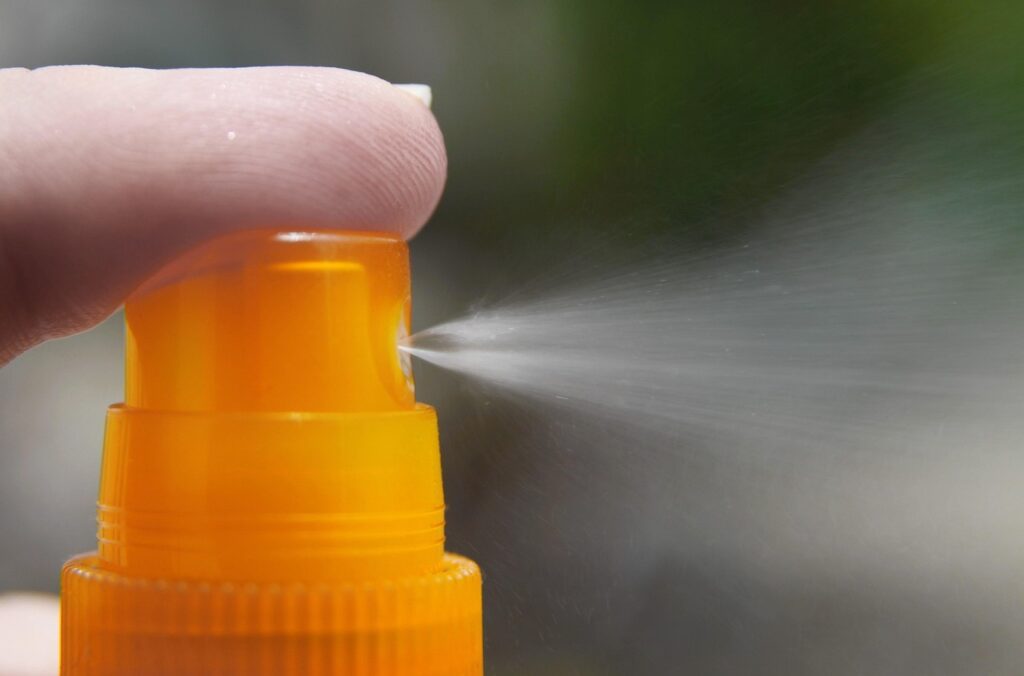
Nanoparticle zinc oxide is also available. The current scientific consensus, including from the EU SCCS and FDA, is that nano-ZnO does not penetrate intact human skin2. However, inhalation of zinc oxide powder is a different exposure route — the IARC classifies inhaled ZnO as a respiratory hazard. For pregnancy this means: cream and pump sunscreens are safe; spray and loose-powder zinc oxide formulas are best avoided to prevent inhalation.
Pregnancy-safe zinc oxide products
Look for sunscreens listing zinc oxide (often combined with titanium dioxide) as the only active ingredient on the OTC drug facts panel. Common brands include EltaMD, La Roche-Posay Anthelios Mineral, Blue Lizard Sensitive, Babo Botanicals, and ThinkBaby.
When to talk to your OB
If you used a product containing Zinc Oxide before learning you were pregnant, mention it at your next prenatal visit — but most topical cosmetic exposures are not a cause for panic. For prescription exposures or specific concerns, contact your OB or midwife directly.
Sources
- Sambandan DR, Ratner D. (2011). Sunscreens: An overview and update. Journal of the American Academy of Dermatology. View source →
- Scientific Committee on Consumer Safety (SCCS). (2012). Opinion on zinc oxide (nano form). European Commission. View source →
- U.S. Food and Drug Administration. (2021). Sunscreen Drug Products for Over-the-Counter Human Use. FDA. View source →
- American College of Obstetricians and Gynecologists. Skin Conditions During Pregnancy. ACOG Patient FAQ 169. View source →