
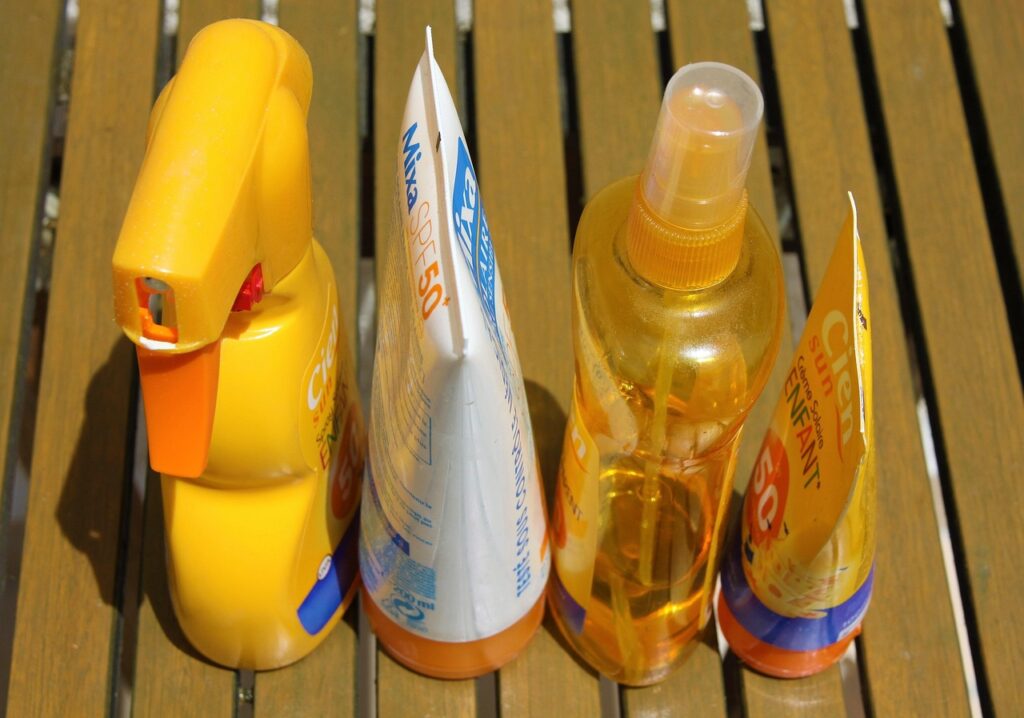
Is Chemical Sunscreens Safe During Pregnancy?
Quick answer
During pregnancy, it's best to avoid chemical sunscreens, including ingredients like avobenzone and octinoxate. This recommendation is due to concerns that some chemical UV filters may have endocrine-disrupting potential. Choosing mineral sunscreens is a wonderful way to protect your skin from the sun while pregnant.
INCI name
Chemical Sunscreens
Also known as
avobenzone, octinoxate, homosalate, octisalate
What is Is Chemical Sunscreens Safe During Pregnancy??
During pregnancy, it’s best to avoid chemical sunscreens, including ingredients like avobenzone and octinoxate. This recommendation is due to concerns that some chemical UV filters may have endocrine-disrupting potential. Choosing mineral sunscreens is a wonderful way to protect your skin from the sun while pregnant.
Last updated: 2026-08-26 · Medically reviewed by SafeMom Editorial Team
Why is Chemical Sunscreens a concern during pregnancy?
During pregnancy, Chemical Sunscreens are a concern because some of their active ingredients, also known as chemical UV filters, have shown potential to affect the body’s endocrine system. These filters are designed to absorb UV light, but some studies suggest they may also be absorbed into the bloodstream, raising questions about their impact on hormone balance during this sensitive time.
This potential for endocrine disruption is the primary reason for the recommendation to avoid these types of sunscreens while you’re expecting. Many expectant moms choose to err on the side of caution and opt for alternatives.
What does the research say?
Research suggests that certain chemical UV filters found in sunscreens may have endocrine-disrupting potential, leading to a recommendation to avoid them during pregnancy. Ingredients like avobenzone, octinoxate, homosalate, and octisalate are among those that have been studied for their absorption into the bloodstream and potential hormonal effects. Studies have explored how these chemicals might interact with the body’s natural hormone systems.
While the full extent of these effects on human pregnancy is still being researched, the precautionary principle guides the recommendation. Given the developing nature of your baby, minimizing exposure to substances with potential endocrine-disrupting properties is a thoughtful choice for many parents-to-be.
What are safe alternatives?
For sun protection during pregnancy, mineral-based sunscreens are common alternatives to chemical sunscreens. These sunscreens typically use ingredients like zinc oxide and titanium dioxide to create a physical barrier on the skin that reflects UV rays.
When looking for sun protection, consider products that explicitly state they are “mineral-based” or “physical” sunscreens. Always remember to check the specific product’s ingredient list. For a complete safety check on any alternative ingredient or product, you can always scan it in the SafeMom app.
Is Chemical Sunscreens safe while breastfeeding?
While specific research on Chemical Sunscreens and breastfeeding is less extensive than for pregnancy, many experts suggest a similar cautious approach. Some chemical UV filters can be absorbed into the bloodstream, and while transfer into breast milk is generally considered low, the long-term effects on infants are not fully established.
Many breastfeeding parents choose to continue using mineral-based sunscreens during this period as a precautionary measure. It’s always a good idea to discuss any concerns with your healthcare provider and to check individual product ingredients for peace of mind.
How SafeMom Can Help:
Navigating skincare ingredients during pregnancy can feel like a maze, but SafeMom is here to light the way! With so many products on the market, it’s tough to know what’s what. Our app makes it easy to scan any product’s barcode or search its ingredients to get clear, reassuring guidance on its pregnancy safety. Let SafeMom be your trusted companion for all your skincare choices!
SafeMom content is informational only and is not a substitute for medical advice. Always consult your healthcare provider before changing your routine during pregnancy. Scan any specific product in the SafeMom app for a complete pregnancy-safety check.
Frequently Asked Questions
Can I use products with chemical sunscreens before I knew I was pregnant?
If you used products containing chemical sunscreens before realizing you were pregnant, try not to worry! The recommendation is to avoid them moving forward. Focus on transitioning to mineral sunscreens for the remainder of your pregnancy.
What specific ingredients should I look for to avoid in chemical sunscreens during pregnancy?
When checking labels, common chemical sunscreen ingredients to avoid during pregnancy include avobenzone, octinoxate, homosalate, and octisalate. These are the active UV filters that are typically of concern.
Are all chemical sunscreens equally concerning during pregnancy?
While the general recommendation is to avoid chemical sunscreens during pregnancy due to potential endocrine-disrupting properties, different filters may have varying levels of concern. However, for simplicity and caution, it’s best to avoid all chemical UV filters and opt for mineral alternatives.
What if my only available sunscreen is a chemical one?
If a chemical sunscreen is your only immediate option, it’s still better to protect your skin from harmful UV rays than to go without. However, prioritize finding a mineral-based alternative as soon as possible for consistent use throughout your pregnancy.
Related SafeMom Ingredient Guides
- Retinol — pregnancy safety guide
- Retinoids — pregnancy safety guide
- Hydroquinone — pregnancy safety guide
- Adapalene — pregnancy safety guide
- Oxybenzone — pregnancy safety guide
Trimester-specific note
The recommendation to avoid chemical sunscreens during pregnancy applies to all trimesters, as the potential for endocrine disruption is a consistent concern throughout fetal development.
When to talk to your OB
If you used a product containing Is Chemical Sunscreens Safe During Pregnancy? before learning you were pregnant, mention it at your next prenatal visit — but most topical cosmetic exposures are not a cause for panic. For prescription exposures or specific concerns, contact your OB or midwife directly.