
Iron
Quick answer
Iron is generally safe and often recommended during pregnancy. Your iron needs significantly increase, and it's a common, helpful ingredient in prenatal vitamins to prevent deficiency. Always check with your healthcare provider.
INCI name
Iron
Also known as
ferrous sulfate, iron supplement
What is Iron?
Iron is generally safe and often recommended during pregnancy due to increased needs and its presence in prenatal vitamins.
What is Iron?
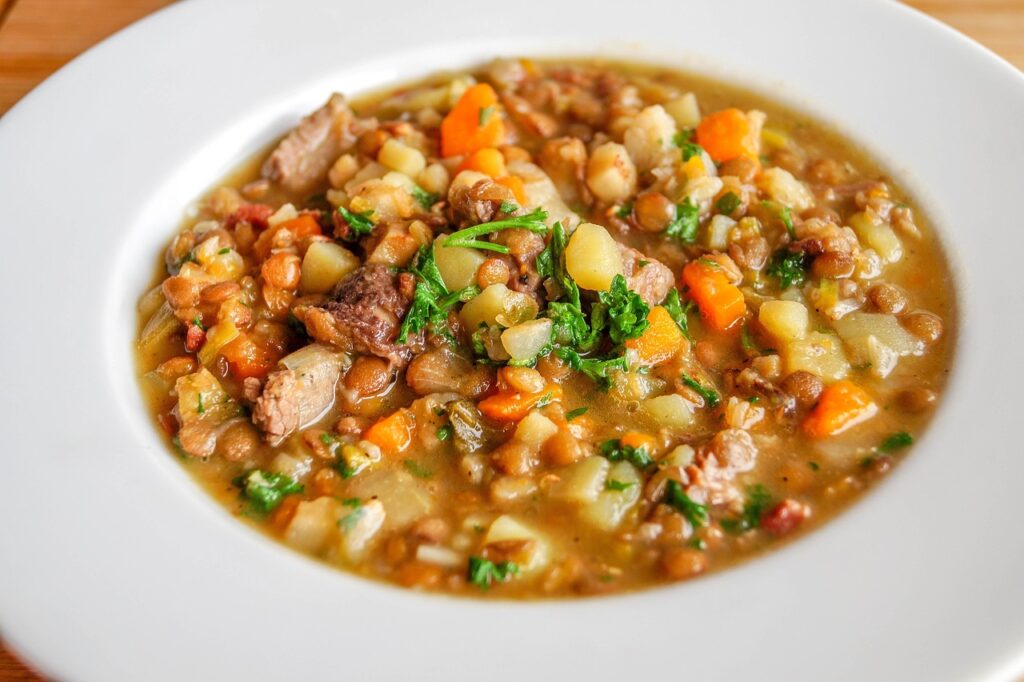
Hey mama-to-be! Let’s chat about iron, a superhero mineral that plays a huge role in keeping you and your little one thriving. Iron is an essential mineral, meaning your body needs it to function properly but can’t produce it on its own – you have to get it from your diet or supplements. It’s often found in foods like red meat, poultry, fish, beans, lentils, spinach, and fortified cereals.
Think of iron as the tiny workhorse in your red blood cells. Its main job is to help create hemoglobin, a protein that carries oxygen from your lungs to every single cell in your body, including your growing baby. It’s also vital for energy production, immune function, and overall growth and development. Pretty important stuff, right?
Why pregnant women ask about it
It’s totally understandable why you’d be curious about iron, especially during pregnancy! Your body is undergoing incredible changes, and with those changes come increased nutritional demands. You might see iron listed as a key ingredient in your prenatal vitamins, or perhaps your healthcare provider has mentioned it during a check-up. Knowing that you’re nourishing yourself and your baby with everything you need is top of mind for many expectant mothers.
Given the general advice to be mindful of what you put into your body during pregnancy, it’s natural to wonder about the safety of any supplement, even one as common and essential as iron. You want to make sure you’re getting enough, but also not too much, and that it’s the right kind for your unique journey.
What research and expert consensus say
Good news, mama! When it comes to pregnancy, iron is generally considered safe and incredibly important. Expert consensus and research consistently show that your iron needs increase significantly during pregnancy – almost doubling! This is because your blood volume expands to support both you and your developing baby, and your little one needs iron for their own growth and red blood cell production.
Because of these increased demands, iron deficiency is quite common among pregnant women. If left unaddressed, it can sometimes lead to iron deficiency anemia, which can leave you feeling super tired and run down. That’s why most prenatal vitamins include a good dose of iron to help bridge the gap between what you get from food and what your body needs. Your healthcare provider will often monitor your iron levels throughout your pregnancy to ensure you’re getting just the right amount.
How to use it safely during pregnancy
The best way to approach iron during pregnancy is through a balanced diet rich in iron-containing foods, combined with your trusted prenatal vitamin. These vitamins are specifically formulated to provide the essential nutrients, including iron, that you need during this special time. Make sure you’re consistent with taking your prenatal vitamin as recommended by your doctor.
If your healthcare provider suggests an additional iron supplement beyond your prenatal vitamin, they’ll guide you on the appropriate dosage. It’s always a good idea to avoid self-prescribing extra iron supplements, as very high doses can sometimes lead to tummy upset. To help your body absorb iron even better, try pairing iron-rich foods or supplements with Vitamin C – think a glass of orange juice with your fortified cereal, or bell peppers with your spinach salad! And if you experience common side effects like constipation, chat with your doctor about gentle ways to manage it.
How SafeMom can help
Navigating all the ingredients in your supplements and foods can feel like a full-time job, but SafeMom is here to make it easier for you! We’re all about empowering you with clear, reassuring information. Scan any specific product in the SafeMom app for a complete pregnancy-safety check and feel confident about your choices.
Frequently Asked Questions
Why do I need more iron during pregnancy?
During pregnancy, your body’s blood volume significantly increases to support both you and your growing baby. Iron is crucial for producing more red blood cells and for carrying oxygen to your baby for their development, making your needs much higher than usual.
Can I get enough iron from food alone?
While a balanced diet rich in iron is wonderful, it can be challenging to meet the significantly increased iron needs of pregnancy through food alone for many women. That’s why prenatal vitamins, which typically contain iron, are often recommended to ensure you’re getting sufficient amounts.
What are the signs of iron deficiency?
Common signs of iron deficiency can include feeling unusually tired or fatigued, weakness, pale skin, shortness of breath, dizziness, and cold hands and feet. If you experience these symptoms, it’s a good idea to chat with your healthcare provider.
Can I take too much iron?
While iron is essential, taking extremely high doses of supplemental iron without medical guidance can potentially lead to digestive upset like nausea or constipation. However, the iron levels typically found in prenatal vitamins are generally well within safe limits. Always follow your doctor’s advice on dosage.
SafeMom content is informational only and is not a substitute for medical advice. Always consult your healthcare provider before changing your routine during pregnancy. Scan any specific product in the SafeMom app for a complete pregnancy-safety check.
Related SafeMom Ingredient Guides
Trimester-specific note
Iron needs increase throughout pregnancy, making it important across all trimesters, especially as blood volume expands and the baby grows.
When to talk to your OB
If you used a product containing Iron before learning you were pregnant, mention it at your next prenatal visit — but most topical cosmetic exposures are not a cause for panic. For prescription exposures or specific concerns, contact your OB or midwife directly.