
Magnesium
Quick answer
Magnesium, a vital mineral, is generally considered safe during pregnancy, especially when taken at recommended doses as part of a prenatal supplement. It's known for supporting muscle relaxation and sleep, and may help ease leg cramps. Remember, SafeMom provides information, not medical advice.
INCI name
Magnesium
Also known as
magnesium glycinate, magnesium citrate
What is Magnesium?
Magnesium, often found in prenatal supplements, is generally considered safe during pregnancy when taken at recommended doses to support various bodily functions.
What is Magnesium?
Magnesium is a superstar mineral that plays a role in over 300 enzyme systems in our bodies! It’s involved in everything from muscle and nerve function to blood sugar control, blood pressure regulation, and even building strong bones. Think of it as a quiet helper behind the scenes, ensuring many vital processes run smoothly.
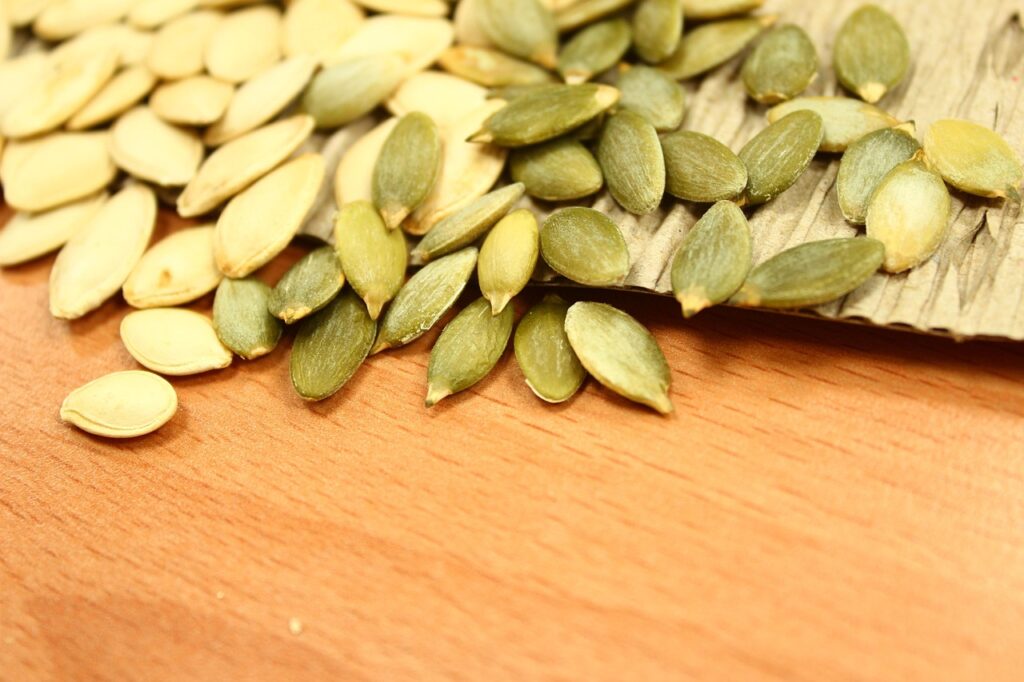
You’ll often see magnesium in various forms, like magnesium glycinate or magnesium citrate, especially in supplements. While we get some magnesium from our diet through foods like leafy greens, nuts, seeds, and whole grains, it’s also a common addition to many prenatal vitamins to help ensure moms-to-be are getting enough of this essential nutrient.
Why pregnant women ask about it
Pregnancy brings a lot of amazing changes, but sometimes it also brings along a few less-than-glamorous discomforts. Many expectant moms experience things like leg cramps, restless sleep, or general muscle tension. Since magnesium is known for its role in muscle relaxation and supporting a calm nervous system, it naturally piques the interest of pregnant women looking for ways to gently ease these common concerns.
Because magnesium is a key ingredient in many prenatal supplements, it’s also a common topic of discussion. It’s smart to understand what you’re putting into your body, especially during this special time!
What research and expert consensus say
When it comes to magnesium during pregnancy, the good news is that it’s generally considered safe, especially when consumed at recommended doses, like those typically found in prenatal supplements. Experts widely acknowledge its importance for overall health, and specifically during pregnancy, for supporting muscle relaxation, promoting better sleep, and potentially reducing the frequency and intensity of those pesky leg cramps that can strike in the middle of the night.
The key here is “recommended doses.” Our bodies need magnesium, and ensuring adequate intake through diet and a well-rounded prenatal vitamin is often encouraged by healthcare providers. While it’s a fantastic mineral, it’s always about balance. The general consensus supports its use within established guidelines, making it a reassuring addition to many pregnant women’s routines.
How to use it safely during pregnancy
If you’re considering a magnesium supplement beyond what’s in your prenatal vitamin, the golden rule is always to chat with your healthcare provider first. They can help you determine if a separate supplement is right for you and recommend an appropriate dose. Stick to the recommended daily allowances, especially those found in quality prenatal supplements, to ensure you’re getting the benefits without overdoing it.
Remember, your diet is also a wonderful source of magnesium! Lean into magnesium-rich foods like avocados, bananas, dark chocolate (yes!), leafy greens, nuts, and legumes. Combining a healthy diet with your prenatal vitamin is often the best approach for ensuring you and your baby are getting all the essential nutrients you need.
How SafeMom can help
Navigating the world of supplements and ingredients can feel like a maze, but SafeMom is here to be your friendly guide! If you’re wondering about the magnesium content in a specific product or want to check other ingredients in your skincare or supplement routine, simply scan the product in the SafeMom app. We’ll give you clear, easy-to-understand pregnancy safety information so you can make informed choices with confidence and peace of mind.
FAQ
Can magnesium from food sources help during pregnancy?
Absolutely! Magnesium from food sources like leafy greens, nuts, seeds, and whole grains is a fantastic way to boost your intake. Eating a balanced diet rich in these foods is always encouraged and generally considered very safe during pregnancy.
Is magnesium often recommended for leg cramps during pregnancy?
Yes, magnesium is frequently suggested as a helpful supplement to potentially ease leg cramps, a common pregnancy discomfort. Its role in muscle relaxation makes it a popular choice, but always discuss it with your doctor.
What forms of magnesium are commonly found in prenatal supplements?
You’ll often see magnesium in forms like magnesium glycinate or magnesium citrate in prenatal supplements. These forms are generally well-tolerated and chosen for their bioavailability.
How do I know if I’m getting enough magnesium during pregnancy?
Most pregnant women get adequate magnesium through a balanced diet and a comprehensive prenatal vitamin. If you have concerns about your intake or are experiencing symptoms like persistent leg cramps, it’s best to chat with your healthcare provider. They can assess your needs and offer personalized guidance.
SafeMom content is informational only and is not a substitute for medical advice. Always consult your healthcare provider before changing your routine during pregnancy. Scan any specific product in the SafeMom app for a complete pregnancy-safety check.
Related SafeMom Ingredient Guides
Trimester-specific note
There isn't a specific trimester where magnesium use significantly differs; it's generally considered safe throughout pregnancy at recommended doses. Always follow your healthcare provider's advice.
When to talk to your OB
If you used a product containing Magnesium before learning you were pregnant, mention it at your next prenatal visit — but most topical cosmetic exposures are not a cause for panic. For prescription exposures or specific concerns, contact your OB or midwife directly.