
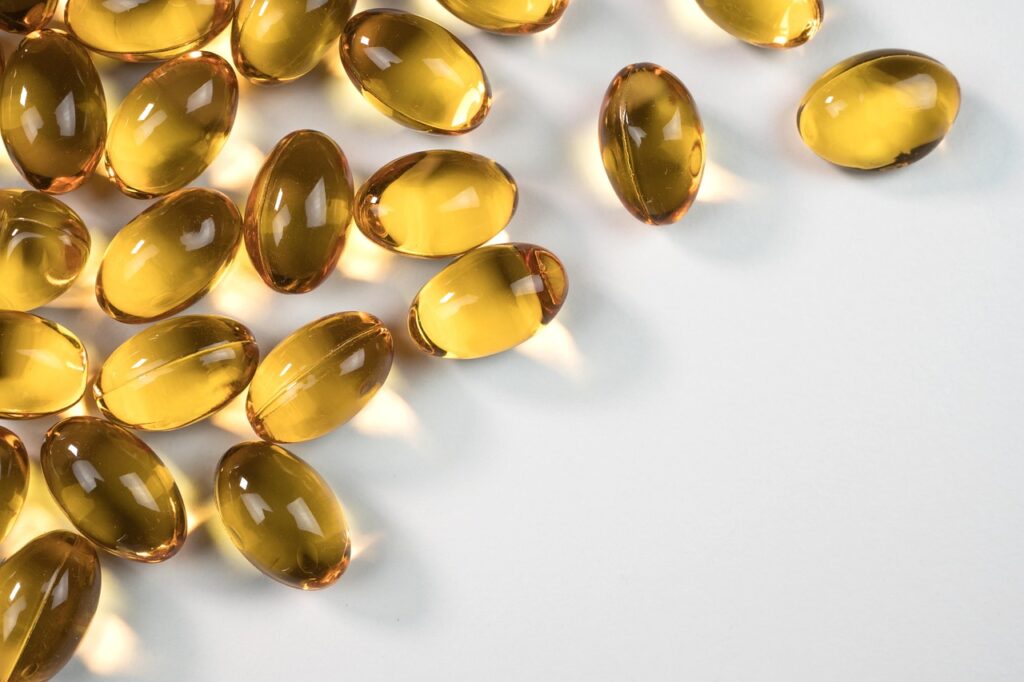
Prenatal Vitamins
Quick answer
Prenatal vitamins are generally safe and strongly recommended before and during pregnancy. Formulated specifically for this special time, they provide essential nutrients like folic acid and iron to support both your health and your baby's development. Always consult your healthcare provider.
INCI name
Prenatal Vitamins
Also known as
prenatal supplements, prenatal multivitamin
What is Prenatal Vitamins?
Prenatal vitamins are generally safe and strongly recommended before and during pregnancy to support both mom and baby’s health.
What are Prenatal Vitamins?
Think of prenatal vitamins as your pregnancy power-up! These special supplements are carefully formulated to provide a boost of essential nutrients that are super important for you and your developing little one. Unlike regular multivitamins, prenatals are specifically designed to meet the increased demands of pregnancy, ensuring you’re getting enough of the good stuff.
Key players in most prenatal vitamins include folic acid, iron, calcium, vitamin D, and often DHA (an omega-3 fatty acid). Each of these plays a vital role in different aspects of pregnancy, from supporting brain development to preventing anemia. They’re like a daily nutritional safety net, complementing a healthy diet to fill in any potential gaps.
Why pregnant women ask about it
It’s totally natural to be extra thoughtful about everything you put into your body when you’re pregnant, and supplements are no exception! Many mamas-to-be wonder if prenatal vitamins are truly necessary, if certain ingredients are better than others, or if they can have any unexpected effects. With so much information out there, it’s smart to get clear on why these particular vitamins are so highly recommended.
What research and expert consensus say
Good news, mama! When it comes to prenatal vitamins, the consensus from health experts and extensive research is overwhelmingly positive: they are generally safe and incredibly beneficial. Major health organizations strongly recommend them, not just during pregnancy, but ideally starting a few months before conception.
The star ingredient, folic acid, is crucial for preventing serious birth defects of the brain and spine (neural tube defects), which often occur very early in pregnancy, sometimes before you even know you’re expecting. Iron helps prevent anemia, a common concern during pregnancy, and supports your baby’s growth. DHA is a fantastic fatty acid that plays a key role in your baby’s brain and eye development. These specially balanced formulas help ensure you’re meeting your increased nutritional needs without overdoing it on other nutrients that aren’t needed in higher amounts.
While a healthy, balanced diet is always your foundation, it can be challenging to get enough of certain nutrients, like folic acid and iron, from food alone during pregnancy. That’s where prenatal vitamins shine, acting as a reliable daily dose of these critical building blocks for your baby’s healthy start.
How to use it safely during pregnancy
Using prenatal vitamins safely is straightforward and empowering! First and foremost, always chat with your healthcare provider. They can help you choose the best prenatal for your individual needs, as some formulas might have different levels of certain nutrients. Once you have your prenatal, stick to the recommended dosage – usually one pill a day. More isn’t always better, especially with some vitamins and minerals.
To help with absorption and minimize any potential stomach upset, many women find it helpful to take their prenatal with a meal. If you experience nausea or constipation, which can sometimes be side effects, your doctor might suggest trying a different brand or adjusting when you take it. Remember, these vitamins are designed to support you, so finding a routine that works for your body is key!
How SafeMom can help
While prenatal vitamins are a well-understood essential, you might have questions about other products or supplements you’re considering. SafeMom is here to be your go-to guide! Our app can help you quickly check the pregnancy safety of ingredients in all sorts of skincare, beauty, and wellness products, giving you peace of mind.
SafeMom content is informational only and is not a substitute for medical advice. Always consult your healthcare provider before changing your routine during pregnancy. Scan any specific product in the SafeMom app for a complete pregnancy-safety check.
FAQs about Prenatal Vitamins
When should I start taking prenatal vitamins?
It’s strongly recommended to start taking prenatal vitamins at least one month, and ideally two to three months, before you even begin trying to conceive. This ensures your body has adequate stores of crucial nutrients like folic acid from the very beginning of pregnancy, when many vital developments occur.
Can I get all my nutrients from food instead of prenatal vitamins?
While a nutritious diet is incredibly important, it can be challenging to meet all the increased nutrient demands of pregnancy through food alone. Specifically, it’s very difficult to get enough folic acid and iron from diet alone to meet pregnancy needs, making prenatal supplements a crucial addition for optimal health and baby’s development.
What if I forget to take my prenatal vitamin sometimes?
Don’t worry if you miss a day! Just take your prenatal vitamin as usual the next day. There’s no need to double up on the dose to make up for a missed pill, as this could lead to too much of certain nutrients. Consistency is great, but occasional slips are totally fine.
Do prenatal vitamins cause nausea or constipation?
Some women might experience mild nausea or constipation with prenatal vitamins, often due to the iron content. Taking your vitamin with food, trying different brands, or discussing a slow-release iron option with your healthcare provider can often help alleviate these side effects.
Related SafeMom Ingredient Guides
Trimester-specific note
It's strongly recommended to start taking prenatal vitamins even before conception, ideally for a few months prior, and to continue throughout all trimesters of pregnancy. The need for these essential nutrients is consistent across all stages.
When to talk to your OB
If you used a product containing Prenatal Vitamins before learning you were pregnant, mention it at your next prenatal visit — but most topical cosmetic exposures are not a cause for panic. For prescription exposures or specific concerns, contact your OB or midwife directly.