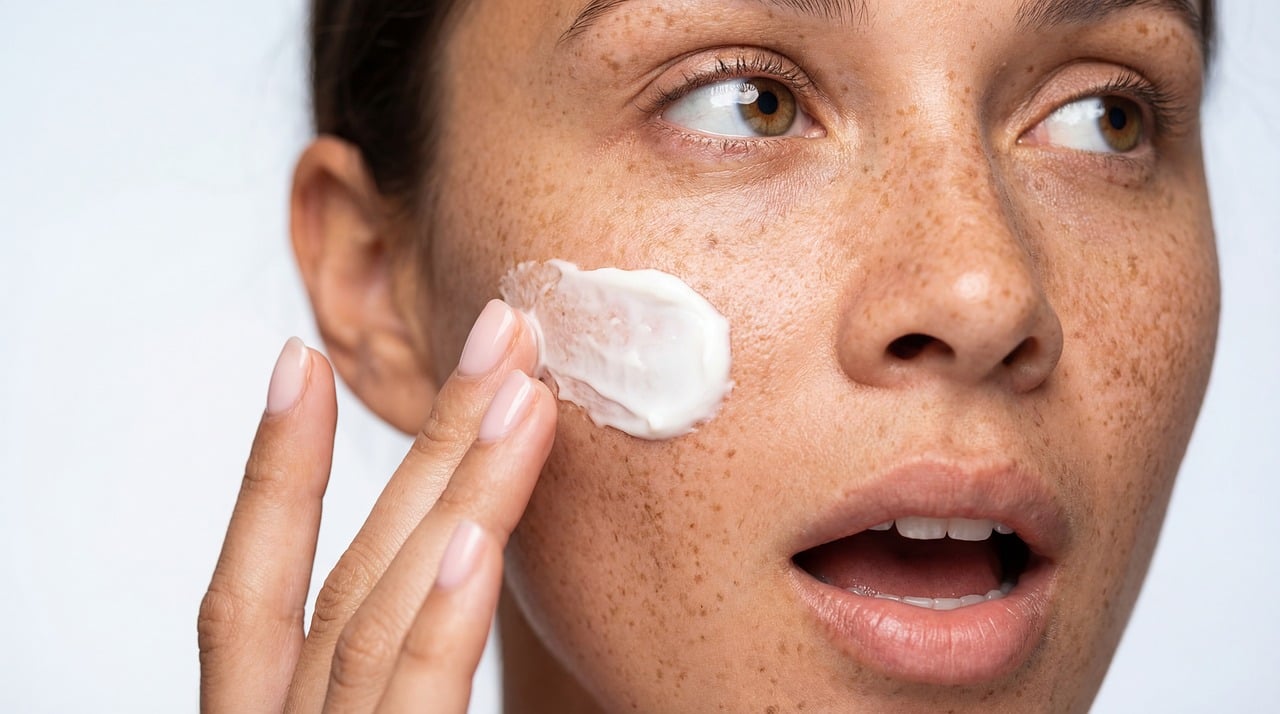
Is Retin-A Safe During Pregnancy? Your Derm-Savvy Big Sister Weighs In
Pregnancy brings so many exciting changes, but sometimes, our skin likes to throw a few curveballs our way too! Whether it’s the sudden surge of breakouts, unexpected pigmentation, or just wanting to keep that healthy glow, many of us reach for our trusted skincare heroes. One ingredient that often comes up in conversations about powerful skin transformation is Retin-A. But if you’re wondering, “Is Retin-A safe during pregnancy?” you’re asking a super important question, and we’re here to help you navigate it with confidence and clarity.
What is Retin-A, Anyway?
Before we dive into pregnancy safety, let’s get clear on what Retin-A actually is. Retin-A is a well-known, prescription-strength topical medication primarily used to treat acne, reduce the appearance of fine lines and wrinkles, and improve overall skin texture and tone. It’s often praised for its ability to speed up cell turnover, helping to shed old skin cells and bring fresh, new ones to the surface. This rapid renewal can lead to smoother, clearer, and more radiant skin, which is why so many people swear by it!
The active ingredient in Retin-A is a powerful compound called Tretinoin. Tretinoin belongs to a larger family of ingredients known as retinoids, which are derivatives of Vitamin A. While there are many different types of retinoids (like over-the-counter retinol or prescription Tazarotene), Tretinoin is one of the most potent and widely studied.
Understanding Retin-A and Pregnancy Safety
You’re probably wondering about Retin-A specifically. Its active ingredient is Tretinoin, which belongs to a family of ingredients called retinoids.
When it comes to the broader category of Retinoids, our SafeMom verdict is **avoid**. This includes other popular forms like Retinol (**avoid**).
Because Retin-A contains Tretinoin, which is a retinoid, it falls under this general guidance. For any specific product like Retin-A, we always recommend checking it in the SafeMom app to get the most accurate information for that particular formulation.
Why the “Avoid” Verdict? The Real Reason Behind the Caution
Now, let’s get to the heart of *why* we recommend avoiding retinoids (the family of ingredients that includes Tretinoin, found in Retin-A) during pregnancy. It’s not about fear, but about taking a smart, precautionary approach during a very special time.
The primary concern with topical Tretinoin and other retinoids is the potential for systemic absorption – meaning, the ingredient could be absorbed through your skin and enter your bloodstream. While the amount absorbed from topical applications is generally thought to be very low, there have been rare cases of birth defects associated with oral retinoids (like isotretinoin, often known by brand names like Accutane). Because of this established risk with oral forms, and out of an abundance of caution, most healthcare providers and dermatologists recommend avoiding *all* forms of retinoids, including topical ones, during pregnancy and while breastfeeding.
Think of it this way: pregnancy is a unique period where your body is undergoing incredible changes to nurture your growing baby. When there are effective, pregnancy-safe alternatives available for common skin concerns, it simply makes sense to opt for those and remove any theoretical risk, no matter how small. It’s a “better safe than sorry” approach that prioritizes peace of mind for you and your little one.
What to Do Instead: Pregnancy-Safe Alternatives for Radiant Skin
The good news is that you absolutely don’t have to sacrifice your skincare goals during pregnancy! There are many fantastic, effective ingredients that are considered safe or used with caution, and can help you achieve that healthy, glowing complexion you desire. Let’s look at some stellar alternatives for common concerns:
For Acne & Breakouts:
If you’re dealing with pregnancy breakouts, you’ve got options beyond retinoids:
* Azelaic acid: Our SafeMom verdict is **safe**. This multitasking ingredient is fantastic for reducing redness, inflammation, and breakouts. It also helps to unclog pores and can even improve skin tone.
* Niacinamide: Our SafeMom verdict is **safe**. Also known as Vitamin B3, Niacinamide is a powerhouse for calming inflammation, reducing redness, improving barrier function, and balancing oil production – all super helpful for acne-prone skin.
* Salicylic acid: Our SafeMom verdict is **caution**. While often used for acne, we recommend using it with caution during pregnancy. Look for products with lower concentrations (generally 2% or less) and consider wash-off treatments like cleansers, rather than leave-on serums, to minimize absorption.
* Benzoyl peroxide: Our SafeMom verdict is **caution**. Similar to salicylic acid, it’s generally recommended to use benzoyl peroxide with caution, opting for lower concentrations and possibly wash-off formulas.
For Texture, Fine Lines & Overall Radiance:
Missing that skin-smoothing, glow-boosting power of retinoids? These alternatives can step up:
* Bakuchiol: Our SafeMom verdict is **safe**. Often called a “natural retinol alternative,” bakuchiol offers many of the benefits of retinoids – improving texture, fine lines, and elasticity – without the pregnancy concerns.
* Vitamin C: Our SafeMom verdict is **safe**. A potent antioxidant, Vitamin C brightens skin, helps with collagen production, and protects against environmental damage, giving you a beautiful glow.
* Hyaluronic acid: Our SafeMom verdict is **safe**. While not a direct alternative for cell turnover, hyaluronic acid is incredible for hydration, plumping up the skin, and making fine lines appear smoother, contributing to a youthful look.
* Glycolic acid: Our SafeMom verdict is **caution**. As an Alpha Hydroxy Acid (AHA), glycolic acid helps to exfoliate the skin, improving texture and brightness. Like salicylic acid, it’s best used with caution during pregnancy, often in lower concentrations and potentially less frequently.
Remember, consistency is key with any skincare routine. Give these wonderful ingredients time to work their magic!
A Gentle Reminder: Always Check Your Specific Products!
While we’ve given you the lowdown on the active ingredients, remember that skincare formulations can vary widely. The best way to be absolutely sure about a specific product in your routine (or one you’re considering) is to check it in the SafeMom app. Just scan the barcode, and we’ll give you the SafeMom verdict for *that exact product*, making your pregnancy skincare journey simple and stress-free.
You’ve got this, mama! Prioritizing your well-being and your baby’s while still taking care of your skin is totally achievable.
SafeMom is informational, not medical advice — check with your provider.