Microplastics in placentas. PFAS — “forever chemicals” — in breast milk. Headlines like these have made microplastics and PFAS exposure one of the most-searched pregnancy safety topics of 2026, and for good reason. Pregnant women want to know how worried to be, and what they can actually do about it.
Here’s a clear breakdown of what the science currently shows, where the real risks live, and the small, practical changes that meaningfully reduce your exposure during pregnancy.
What Are Microplastics and PFAS?
Microplastics are tiny plastic fragments under 5 millimeters across, shed from larger plastic items as they degrade. They’re now found in tap water, bottled water, salt, seafood, and the air we breathe.
PFAS (per- and polyfluoroalkyl substances) are a family of about 15,000 synthetic chemicals used to make products resist water, grease, and stains. They’re nicknamed “forever chemicals” because they don’t break down in the environment or the human body for decades.
The two often show up together — a non-stick pan, for example, can shed both microplastic particles and PFAS into your food.
What Does the Latest Research Say About Pregnancy?
Research is still evolving, but several findings have raised concern:
- A 2024 study in the journal Toxicological Sciences detected microplastics in 100% of placentas tested, with measurable amounts even in early pregnancy.
- The CDC has detected PFAS in the blood of more than 97% of Americans, including pregnant women.
- Some PFAS chemicals (PFOA, PFOS) have been linked in observational studies to lower birth weight, decreased fertility, and reduced vaccine response in children.
- The EPA finalized drinking-water limits for six PFAS chemicals in 2024, the first federal regulation of its kind.
It’s important to be honest about what we don’t know yet: most studies show associations, not proven cause-and-effect, and exposure levels for the average person are usually low. But because PFAS accumulate and microplastics cross the placenta, even small daily reductions matter over the course of a pregnancy.
The Biggest Sources of Exposure During Pregnancy
1. Drinking water
For most Americans, the largest single source of PFAS exposure is tap water. Bottled water adds microplastic exposure — a 2024 Columbia University study found an average of 240,000 microplastic particles per liter of bottled water.
2. Non-stick cookware
Older non-stick pans (especially those with scratches) can leach PFAS into food. Air fryer baskets, slow cooker liners, and electric pressure cookers often have non-stick coatings too.
3. Food packaging
Greaseproof papers used for fast food, microwave popcorn bags, pizza boxes, and bakery boxes are common PFAS culprits. Many have moved to PFAS-free alternatives, but not all.
4. Cosmetics and personal care
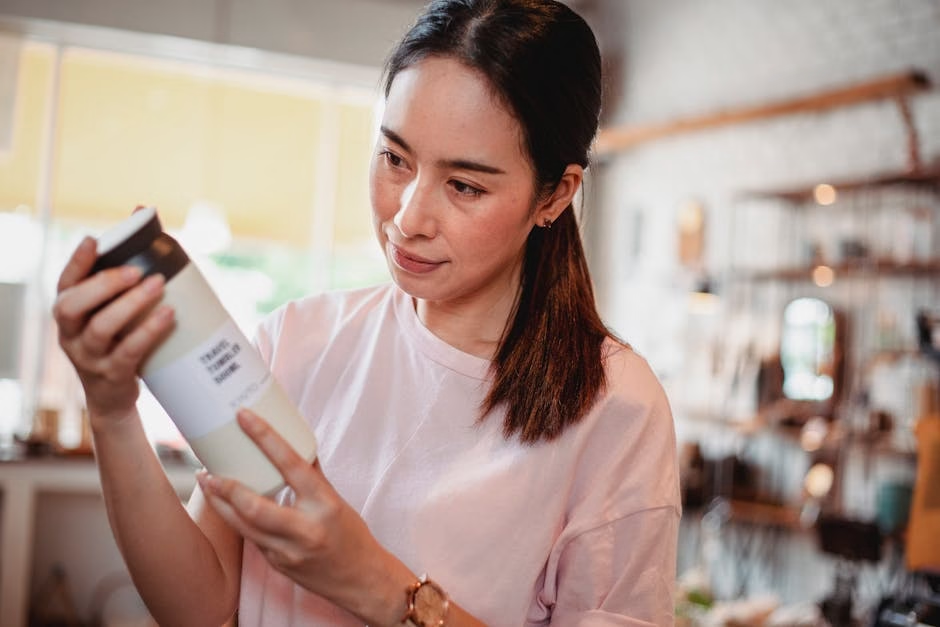
PFAS show up in waterproof mascara, long-wear foundation, lipstick, dental floss, and even some shampoos. Look for “PTFE,” “perfluoro,” or any ingredient with “fluoro” in the name.
5. Furniture and clothing
Stain-resistant fabrics, waterproof rain gear, and water-repellent strollers and car seats can be treated with PFAS.
How to Reduce Your Exposure (Without Going Off the Grid)
You can’t eliminate microplastics or PFAS entirely — they’re in the environment. But the following changes have the highest impact for the least effort:
- Filter your tap water with a filter rated for PFAS removal (look for NSF/ANSI 53 or 58 certification). Reverse osmosis is the gold standard; certain activated carbon block filters are also effective.
- Drink from glass or stainless steel, not plastic bottles. If you must use plastic, never refill or heat it.
- Replace damaged non-stick cookware with stainless steel, cast iron, or ceramic (true ceramic, not “ceramic-coated”).
- Skip “stain-resistant” treatments on new furniture, baby gear, and rugs — these are PFAS by default.
- Choose PFAS-free personal care products. The SafeMom app flags PFAS-related ingredients when you scan a product barcode.
- Heat food on ceramic or glass, not plastic. Microwaving plastic is one of the highest-exposure household behaviors.
- Skip greaseproof food wrappers when possible — ask for items unwrapped or transfer to your own container.
How to Spot PFAS in Ingredient Lists
PFAS aren’t always called “PFAS” on a label. Watch for these prefixes and ingredient names:
- PTFE (polytetrafluoroethylene)
- Perfluoro-
- Polyfluoro-
- Fluoro-
- “Long-wear,” “waterproof,” “stain-resistant” claims often imply PFAS unless the brand specifies PFAS-free
Because PFAS ingredient labeling is inconsistent, an ingredient checker is by far the fastest way to screen products at the shelf.
What About Foods?
Fish are a known route of PFAS exposure, especially freshwater fish from PFAS-contaminated waters. The CDC and EPA recommend pregnant women:
- Choose lower-mercury, lower-PFAS fish (wild salmon, sardines, anchovies, light tuna in moderation)
- Limit freshwater fish from local lakes/rivers unless local advisories confirm safety
- Get the 8–12 oz of weekly seafood ACOG recommends for omega-3 benefits — the benefits still outweigh the risks for most pregnancies
Frequently Asked Questions
Should I get a blood test for PFAS during pregnancy?
Most doctors don’t currently recommend it because there’s no clinical action that can be taken even if levels are high. The exception is occupational exposure (firefighters, chemical workers) where testing might guide work modifications.
Are “BPA-free” and “phthalate-free” labels enough?
They’re a start, but BPA and phthalates are different concerns than PFAS. A “BPA-free” plastic bottle still sheds microplastics and may use a similar bisphenol substitute. Glass and stainless steel are safer defaults.
Is breastfeeding still recommended given PFAS findings?
Yes — every major medical organization including the CDC and ACOG continues to recommend breastfeeding. The protective benefits significantly outweigh the risk of background PFAS exposure for the average mother.
The Bottom Line
You don’t need to overhaul your life to meaningfully reduce microplastic and PFAS exposure during pregnancy. The highest-impact changes are filtering your water, swapping out damaged non-stick pans, choosing glass and stainless steel over plastic, and screening personal care products for hidden PFAS ingredients. None of these require a special budget — just a small set of swaps you make once and benefit from for the rest of your pregnancy.
This article is for informational purposes and does not replace medical advice. Always consult your OB-GYN about specific environmental exposures during pregnancy.