
Is hair dye safe during pregnancy?
Answer
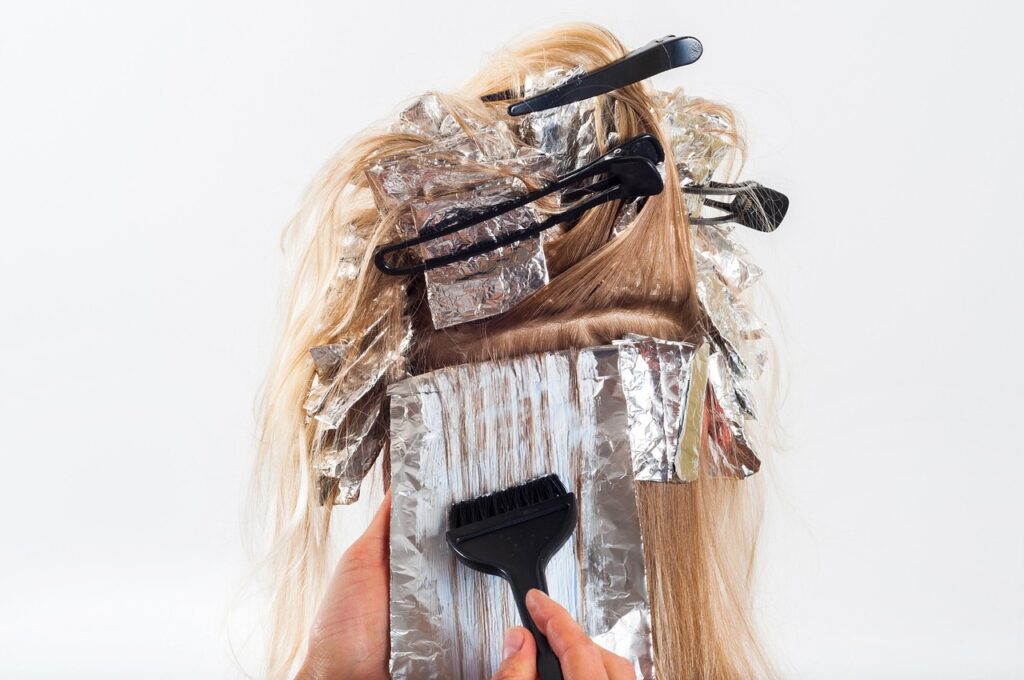
Hair dye is generally safe in pregnancy at typical use, especially after the first trimester. Only small amounts absorb through the scalp. Highlights/balayage (no scalp contact) are even safer. Choose ammonia-free dyes when possible.
The actual risk level
The available evidence consistently shows that hair dye is low-risk during pregnancy. Only small amounts of dye chemicals are absorbed through the scalp, and the timing of typical hair coloring (every 6-8 weeks) results in minimal cumulative exposure1.
No large epidemiological studies have demonstrated an association between hair dye use during pregnancy and birth defects, miscarriage, or other adverse outcomes2. The ACOG and most national obstetric bodies consider hair coloring acceptable in pregnancy.
Why first trimester caution exists
Many providers recommend waiting until after the first trimester (week 13+) for hair coloring — not because there’s documented harm, but because the first trimester is the period of greatest organogenesis and minimizing chemical exposures during that window is precautionary. By the second and third trimesters, the conservative recommendation relaxes.
Highlights vs. full color
Highlights and balayage are even safer than full-head color because:
- The dye is applied to hair strands, not the scalp
- Foils prevent the dye from contacting your skin during processing
- Less surface area = less skin contact = less absorption
If you’re anxious about exposure but want to color your hair, highlights are the cleanest option.
Ingredients to be aware of
Conventional hair dye contains several flagged ingredients:
- Ammonia — opens the hair cuticle; irritating fumes. Ammonia-free formulas are widely available.
- Para-phenylenediamine (PPD) — common in permanent dyes; can cause allergic reactions.
- Resorcinol — potential endocrine disruptor in laboratory studies, though human exposure data are reassuring.
- [Formaldehyde-releasing preservatives](/ingredients/dmdm-hydantoin/) — appear in some hair dyes; avoid.
Safer choices
- Ammonia-free professional color (e.g., Aveda Full Spectrum, Wella Color Touch)
- Henna-based dyes (pure henna only — “black henna” can contain PPD)
- Semi-permanent dyes (gentler, less penetrating)
- Highlights instead of full color
- Salon ventilation matters — sit near a door or window if fumes bother you
Patch-test for PPD allergy before any treatment if you haven’t recently — pregnancy can trigger new sensitivities3.
Related ingredients
DMDM Hydantoin
Avoid DMDM hydantoin in pregnancy. It’s a formaldehyde-releasing preservative that slowly emits formaldehyde over the product’s shelf life — exposure source is…
Parabens
Use parabens cautiously in pregnancy. They have weak estrogenic activity, and some cohort studies link prenatal exposure to altered birth weight and…
Fragrance / Parfum
Use products listing 'fragrance' or 'parfum' cautiously during pregnancy. The term can hide phthalates, allergens, and endocrine disruptors under U.S. trade-secret rules.…
Sources
- Bozzo P, Chua-Gocheco A, Einarson A. (2011). Safety of skin care products during pregnancy. Canadian Family Physician. View source →
- Chua-Gocheco A, Bozzo P, Einarson A. (2008). Safety of hair products during pregnancy: personal use and occupational exposure. Canadian Family Physician. View source →
- American College of Obstetricians and Gynecologists. Skin Conditions During Pregnancy. ACOG Patient FAQ 169. View source →