
If you’re expecting, you’ve probably got a million questions swirling around your head, especially when it comes to what you can and can’t eat. High on that list for many moms-to-be is seafood, and specifically, diving deep into the topic of salmon during pregnancy: the full safety breakdown moms ask about. It’s a culinary favorite, packed with goodness, but also comes with common questions about mercury and preparation.
Here at SafeMom, we’re all about empowering you with clear, reassuring information so you can make confident choices for yourself and your little one. Let’s break down everything you need to know about enjoying salmon while pregnant.
Understanding Salmon: A Nutritional Powerhouse
Salmon is a popular, oily fish known for its distinctive pinkish-orange flesh and rich flavor. It’s found in both wild and farmed varieties across the globe. But beyond its delicious taste, salmon is a true nutritional superstar, especially for pregnant women.
Why is it so highly regarded? Salmon is an incredible source of:
- Omega-3 Fatty Acids (DHA and EPA): These are superstars for baby’s brain and eye development. They also play a role in supporting mom’s health, potentially helping with mood regulation and reducing inflammation.
- High-Quality Protein: Essential for the growth and repair of tissues for both you and your developing baby.
- Vitamin D: Crucial for bone health, immune function, and overall well-being. Many people don’t get enough Vitamin D, and salmon is one of the few natural food sources.
- B Vitamins: Including B12, which is vital for nerve function and red blood cell formation.
- Selenium: An important mineral that acts as an antioxidant and supports thyroid function.
Given this impressive nutritional profile, it’s easy to see why salmon is often recommended as part of a healthy diet. But what about those pregnancy-specific concerns?
Navigating Salmon During Pregnancy: What to Know
The good news, mama? When prepared correctly, salmon can be a truly wonderful addition to your pregnancy diet! It’s not just delicious, it’s highly beneficial for both you and your baby’s development. Many health organizations and experts recognize salmon as a fantastic source of nutrients with relatively low mercury, making it a smart choice for expecting moms.
Addressing Mercury Concerns
It’s completely normal to worry about mercury levels in fish during pregnancy. High levels of mercury can be harmful to a baby’s developing nervous system. However, not all fish are created equal when it comes to mercury content.
Salmon, particularly varieties like Atlantic, Pacific, and Sockeye, is considered a “low-mercury” fish. This is because salmon are typically smaller and have shorter lifespans than larger, predatory fish (like swordfish, shark, king mackerel, and tilefish) that accumulate higher levels of mercury over time. The benefits of the omega-3s and other nutrients in salmon far outweigh the minimal risk from its low mercury content.
Practical Guidance for Enjoying Salmon During Pregnancy
Now that we’ve cleared up the general guidance, let’s talk practicalities. Here’s how to confidently incorporate this fantastic fish into your pregnancy diet:
Always Cook Your Salmon Thoroughly
This is the golden rule for all seafood during pregnancy! Raw or undercooked fish can carry bacteria and parasites that could be harmful to you and your baby. Make sure your salmon reaches an internal temperature of 145°F (63°C). It should be opaque and flake easily with a fork. This means:
- No sushi or sashimi containing raw salmon.
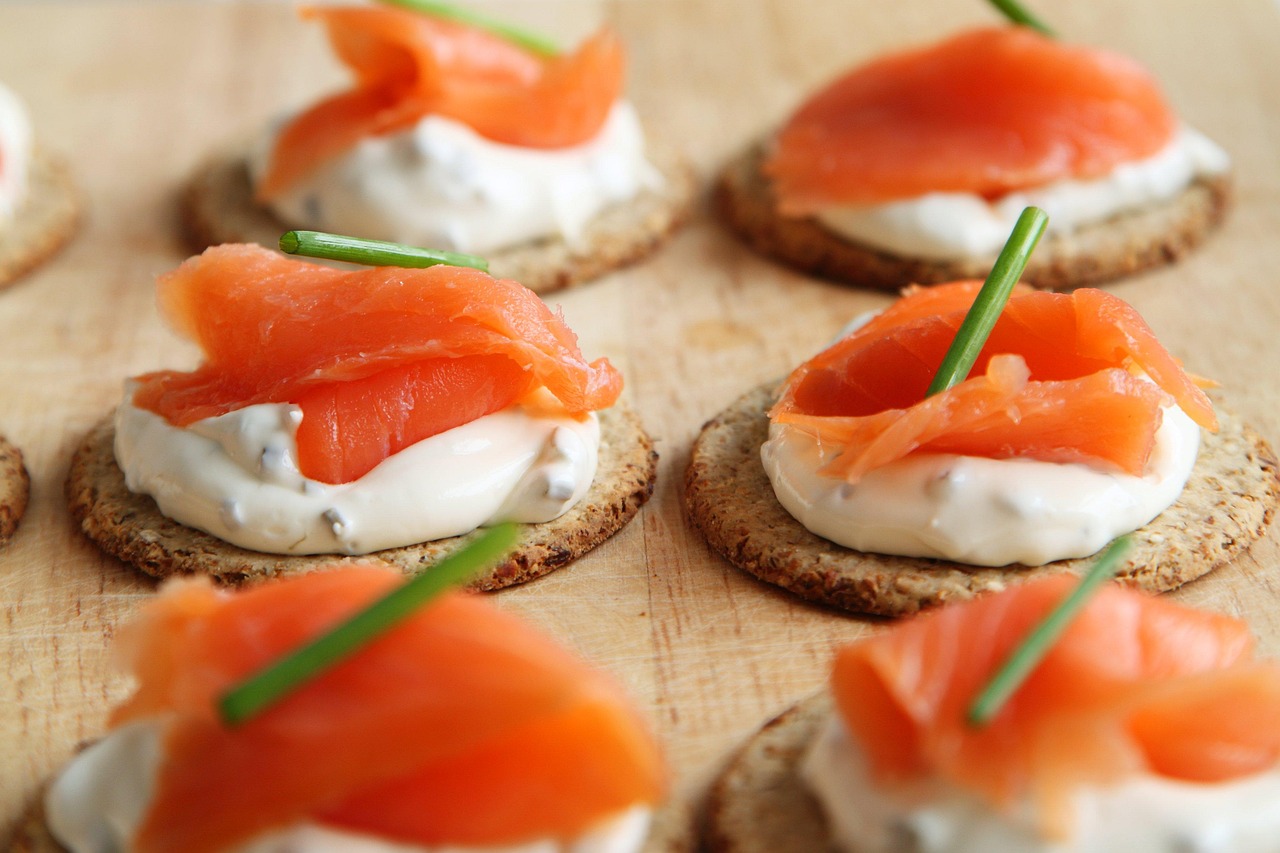
- No lox or smoked salmon unless it’s explicitly labeled “hot-smoked” (which means it’s fully cooked) or used as an ingredient in a dish that is then fully cooked (like in a quiche). Cold-smoked salmon is not considered fully cooked.
Mind Your Portions and Frequency
General guidelines often recommend aiming for 2-3 servings of low-mercury fish like salmon per week. A serving size is typically about 4 ounces (the size of a deck of cards). This allows you to reap all those wonderful omega-3 benefits without overdoing it.
Wild-Caught vs. Farmed Salmon
Both wild-caught and farmed salmon are generally considered good and nutritious options during pregnancy. Some wild salmon varieties might have a slightly different nutrient profile or flavor, but both provide excellent omega-3s and protein. When choosing, look for sustainably sourced options if that’s important to you.
Creative Ways to Enjoy Salmon
Don’t be afraid to get creative in the kitchen! Baked, grilled, pan-seared, or roasted salmon are all fantastic options. Try it:
- Flaked into salads.
- In a healthy grain bowl with roasted vegetables.
- As a delicious main course with a squeeze of lemon and fresh herbs.
- In a fully cooked salmon burger.
What About Salmon in Skincare or Supplements?
While our main focus here is on consuming salmon as food, you might also encounter salmon-derived ingredients in other forms, such as fish oil or omega-3 supplements, or even occasionally in specialized skincare products.
For omega-3 supplements or any skincare products containing fish-derived ingredients, it’s always a good idea to check the specific product. The quality and purity of supplements can vary, and it’s important to ensure they are third-party tested for contaminants. For skincare, while salmon itself isn’t a common direct ingredient, salmon oil or extracts might be used for their fatty acid content. If you’re wondering about a specific product, the best practice is to give it a quick scan in your SafeMom app to confirm its pregnancy-safety status.
So there you have it, mama! Salmon is not only a delicious choice during pregnancy but also a highly beneficial one when prepared correctly. Enjoy those omega-3s and rest easy knowing you’re nourishing yourself and your growing baby with a fantastic food source!
SafeMom is informational, not medical advice — check with your provider.