
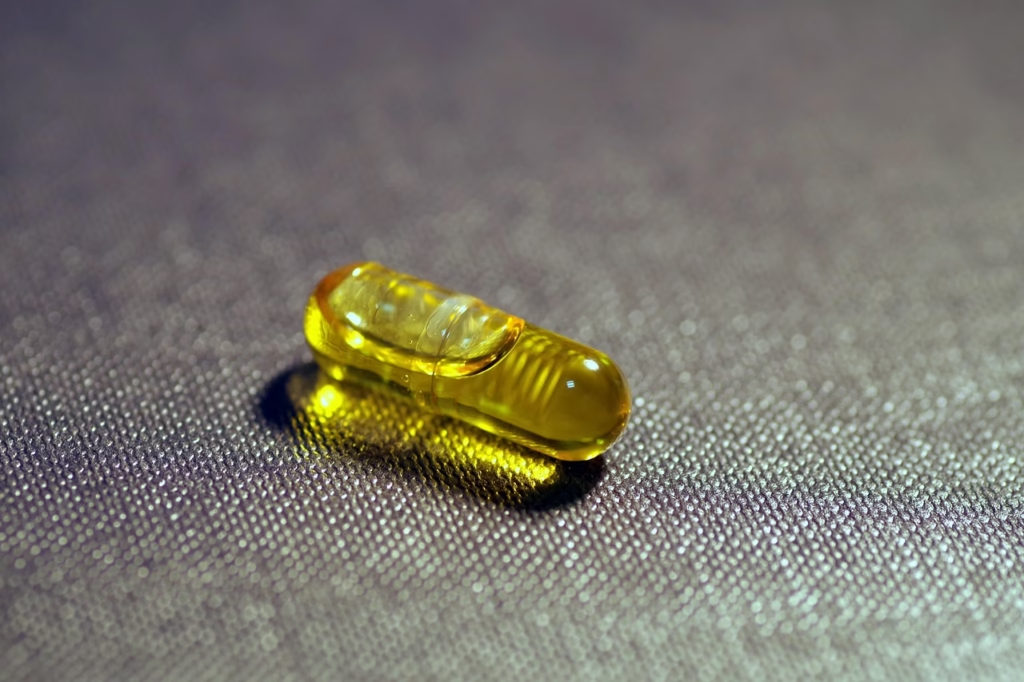
Vitamin D
Quick answer
Vitamin D, also known as vitamin D3 or cholecalciferol, is generally considered safe and often recommended during pregnancy. It's vital for calcium absorption and immune health, and many pregnant women may benefit from supplementation. Always chat with your healthcare provider about your specific needs.
INCI name
Vitamin D
Also known as
vitamin D3, cholecalciferol
What is Vitamin D?
Vitamin D, including its common forms like D3 (cholecalciferol), is generally considered safe and often recommended for use during pregnancy as it plays a crucial role in maternal and fetal health.
What is Vitamin D?
Vitamin D, often affectionately called the “sunshine vitamin,” is a fat-soluble vitamin that’s absolutely essential for our bodies to thrive. You might also see it listed as vitamin D3 or cholecalciferol, which are its most common and effective forms. Its superstar role is helping your body absorb calcium and phosphorus, which are the building blocks for strong bones and teeth.
Beyond bone health, Vitamin D is a real team player, supporting your immune system, muscle function, and even cell growth. We primarily get it from sunlight exposure, certain foods like fatty fish (think salmon!), and fortified dairy or cereals. For many, especially during pregnancy, supplements become a helpful way to ensure adequate levels.
Why pregnant women ask about it
When you’re expecting, every ingredient that touches your skin or enters your body becomes a topic of careful consideration – and rightly so! Pregnant women often wonder about Vitamin D because they know how crucial proper nutrition is for their developing baby. With so much focus on bone health, immune support, and overall well-being during pregnancy, it’s natural to want to ensure you’re getting enough of this vital nutrient without overdoing it. Many prenatal vitamins include Vitamin D, which is a great start, but questions often arise about whether that’s enough or if additional supplementation is beneficial.
What research and expert consensus say
Good news, mama-to-be! Vitamin D, including its cholecalciferol form, is generally considered safe and highly beneficial throughout pregnancy. It’s not just a nice-to-have; it’s truly essential. Experts widely agree that adequate Vitamin D levels are crucial for both you and your little one. It plays a pivotal role in ensuring your baby develops strong bones and teeth by facilitating your body’s absorption of calcium.
Many pregnant women worldwide are found to have insufficient Vitamin D levels, which is why healthcare providers often recommend supplementation. Common recommendations for pregnant individuals typically range from 600 to 2000 International Units (IU) per day, though your specific needs might vary. This isn’t about taking mega-doses, but rather ensuring you reach and maintain healthy levels to support your pregnancy journey.
Beyond bone health, Vitamin D also lends a helping hand to your immune system, which is working extra hard during pregnancy. It contributes to overall maternal health and is thought to support healthy fetal development in various ways, making it a well-researched and widely accepted component of prenatal nutrition.
How to use it safely during pregnancy
The best way to ensure safe Vitamin D intake during pregnancy is to chat with your healthcare provider. They can assess your individual needs, potentially through a blood test, and recommend the right dosage for you. Most prenatal vitamins contain a baseline amount of Vitamin D, which is a great starting point. Your doctor might suggest an additional supplement if your levels are low or if your diet and sun exposure aren’t quite cutting it.
Remember, while food sources like fatty fish, egg yolks, and fortified foods (like milk and some cereals) contribute to your Vitamin D intake, it can be challenging to meet optimal pregnancy needs through diet alone. That’s where a carefully chosen supplement, guided by your doctor, can truly make a difference.
How SafeMom can help
Navigating all the ingredients in your supplements and skincare can feel like a full-time job, but SafeMom is here to make it easier! While Vitamin D as an ingredient is generally safe and recommended, you might have questions about specific products or dosages. Scan any product in the SafeMom app to get a full pregnancy-safety breakdown tailored to your specific product, helping you make informed choices with confidence.
Frequently Asked Questions
Is the Vitamin D in my prenatal vitamin enough?
Many prenatal vitamins contain Vitamin D, which is a good baseline! However, individual needs can vary widely. It's a great idea to discuss your specific prenatal vitamin and your Vitamin D levels with your healthcare provider to see if you might benefit from additional supplementation.
Can I get enough Vitamin D from the sun during pregnancy?
Sun exposure is a natural source of Vitamin D, but relying solely on it during pregnancy can be tricky. Factors like your location, the season, time of day, skin type, and even sunscreen use can all affect how much Vitamin D your body produces. For consistent and reliable levels, especially during pregnancy, supplements are often a more dependable option.
What are the benefits of Vitamin D during pregnancy?
Vitamin D is a powerhouse during pregnancy! It's crucial for your baby's bone and teeth development, helps your body absorb calcium effectively, and supports a healthy immune system for both you and your little one. It's truly a foundational nutrient for a healthy pregnancy.
Can too much Vitamin D be harmful?
While Vitamin D is incredibly beneficial, like with many things, balance is key! Extremely high doses of Vitamin D can potentially lead to toxicity, though this is quite rare when sticking to commonly recommended supplementation levels. Always follow your healthcare provider's guidance on dosage to ensure you're getting just the right amount for you and your baby.
SafeMom content is informational only and is not a substitute for medical advice. Always consult your healthcare provider before changing your routine during pregnancy. Scan any specific product in the SafeMom app for a complete pregnancy-safety check.
Related SafeMom Ingredient Guides
Trimester-specific note
Vitamin D is beneficial throughout all trimesters of pregnancy, supporting both maternal and fetal health from conception to birth. There isn't a specific trimester where it's more or less important, as consistent intake is key.
When to talk to your OB
If you used a product containing Vitamin D before learning you were pregnant, mention it at your next prenatal visit — but most topical cosmetic exposures are not a cause for panic. For prescription exposures or specific concerns, contact your OB or midwife directly.